I. From Laboratory to Factory: Material Bottlenecks Behind Humanoid Robot Mass Production
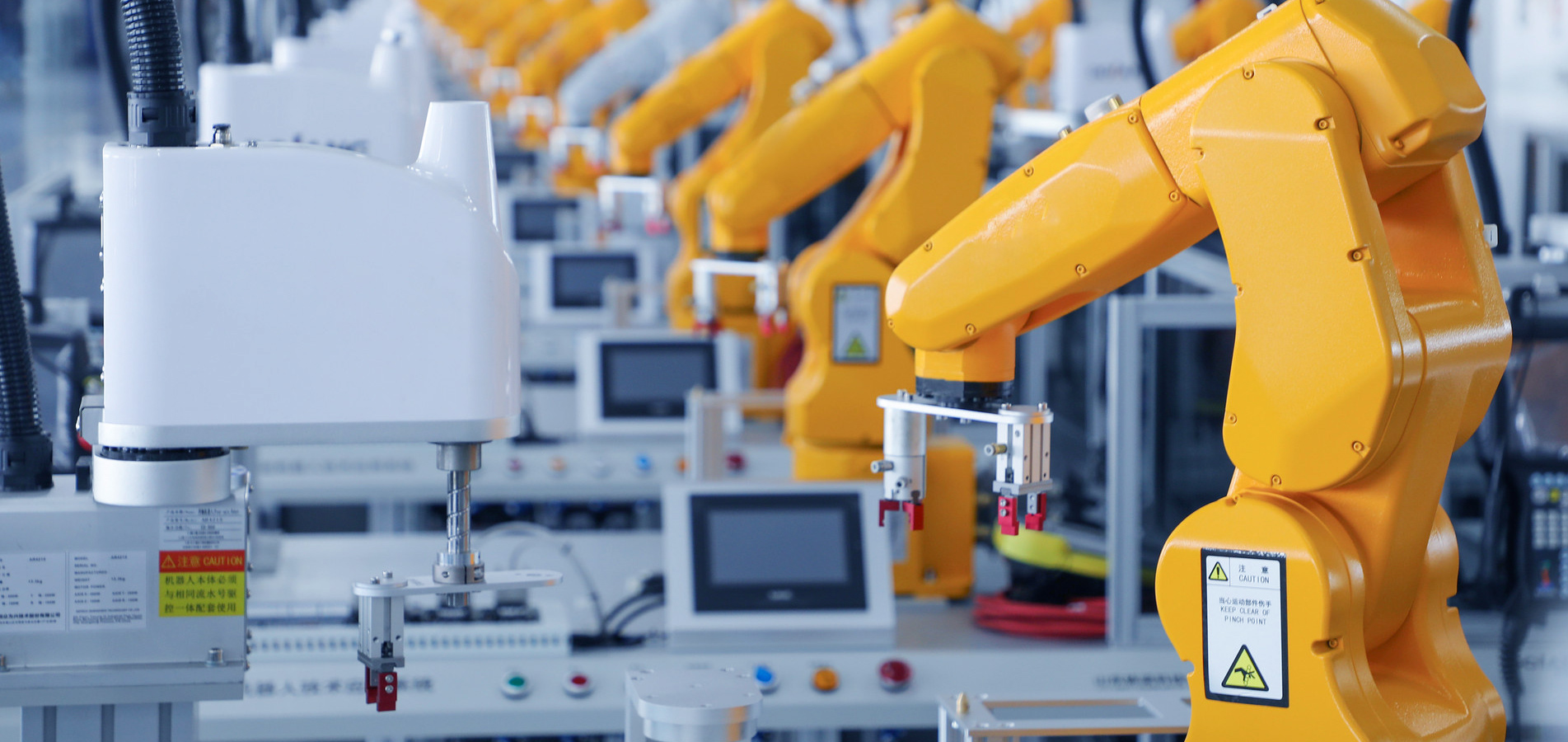
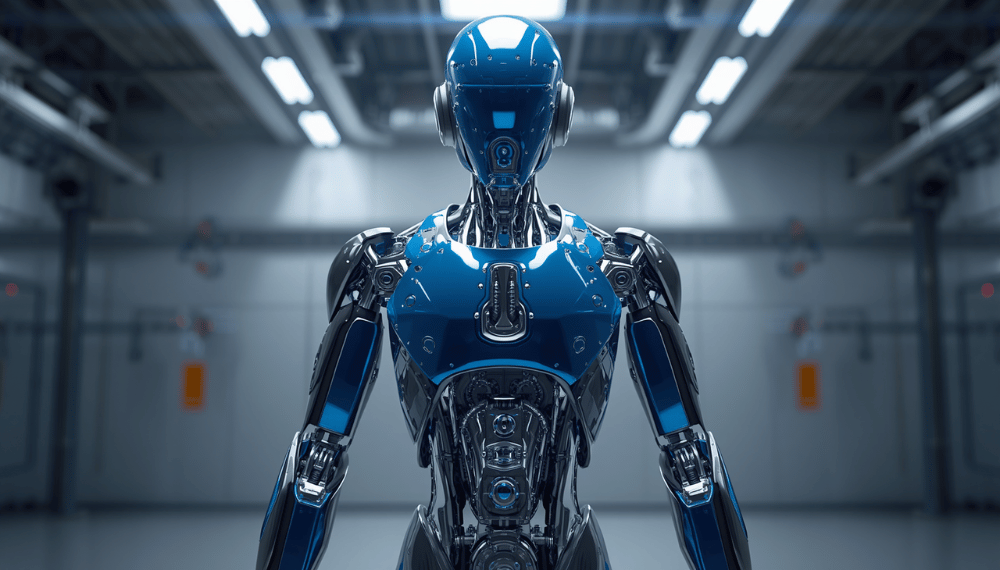
2026 is widely regarded within the industry as the "mass production fulfillment year" for humanoid robots. According to Ministry of Industry and Information Technology data, domestic humanoid robot shipments are expected to grow more than 7-fold year-over-year, leaping from the thousands to the tens of thousands. Leading companies including Tesla Optimus, Unitree, and UBTECH have announced mass production timelines, and supply chain enterprises are transitioning from "sample testing" to "batch delivery."
But mass production is not simple copy-and-paste. A single humanoid robot typically has 16–40 degrees-of-freedom joints, each relying on precision reducers (harmonic, planetary, or RV) and screw drives. These reducers endure the combined考验 of high-frequency fretting, impact loads, and wide temperature ranges—domestic scenarios demand 5,000–10,000 hours of service life, while industrial scenarios require over 20,000 hours.
Meanwhile, lightweight robot body designs extensively employ heterogeneous bonding between magnesium-aluminum alloy shells and carbon-fiber frames, while sensor, actuator, and battery module fixation must achieve reliable sealing within ±0.02mm precision. Traditional industrial greases and general-purpose structural adhesives expose their shortcomings under these high-frequency, precision, long-life conditions: grease oil separation and loss lead to accelerated reducer wear, while adhesive embrittlement and cracking cause shell sealing failures.
Materials are becoming the final bottleneck preventing humanoid robots from transitioning from "walking" to "durable."
 II. Reducer Lubrication: The "Invisible Killer" Under High-Frequency Fretting
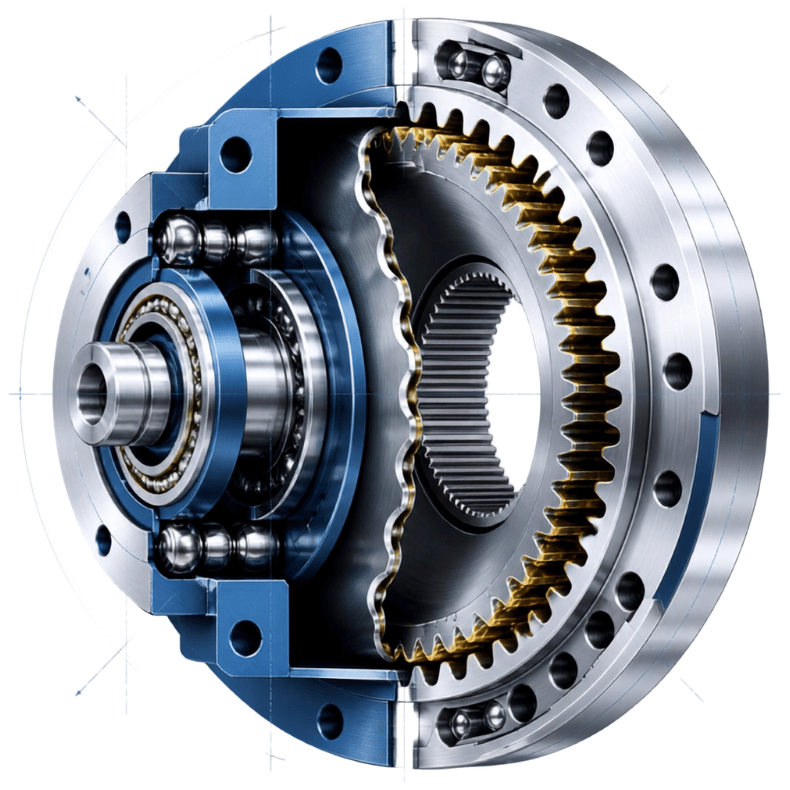
2.1 Harmonic Reducers: Fretting Wear Between Flexspline and Circular Spline
Harmonic reducers are the most common transmission form in humanoid robot joints. The flexspline undergoes periodic elastic deformation under the wave generator, forming tooth surface meshing with the circular spline. During this process, tooth surface contact stress reaches 1.5–3GPa, accompanied by dozens of micro-amplitude slip cycles per second (fretting wear).
Under these conditions, ordinary industrial greases experience rapid base oil separation and loss under high-frequency shear, thickener skeleton collapse, and subsequent dry friction on tooth surfaces. Measured data shows that harmonic reducers using ordinary EP lithium grease exhibit tooth surface wear of up to 0.05mm after 2,000 hours under rated load, with transmission accuracy degradation exceeding 30%, directly manifesting as joint noise and positioning drift.
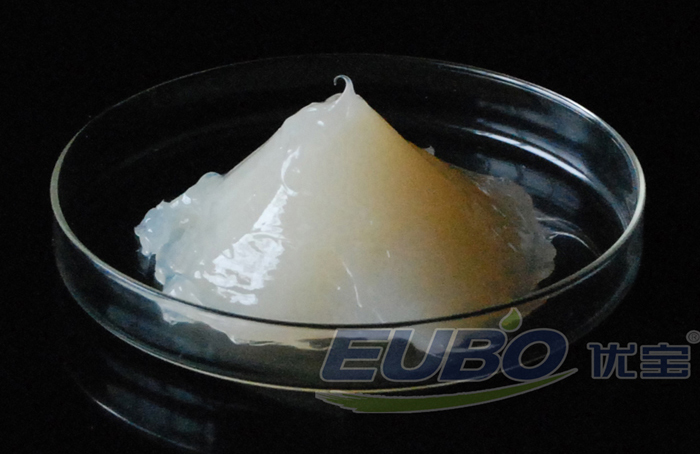
EUBO's harmonic reducer dedicated grease, developed specifically for harmonic reducers, uses a synthetic hydrocarbon (PAO) + ester oil composite base oil, combined with special thickeners and anti-fretting wear additives:
-
Anti-shear stability: After 1 million high-frequency fretting cycles, penetration change <10%, with excellent oil film retention
-
Low starting torque: Starting torque ≤0.15N·m at -40℃, meeting robot cold-start requirements
-
Long-life design: Under rated load at 80℃, designed service life exceeds 10,000 hours, with wear controlled within 0.01mm
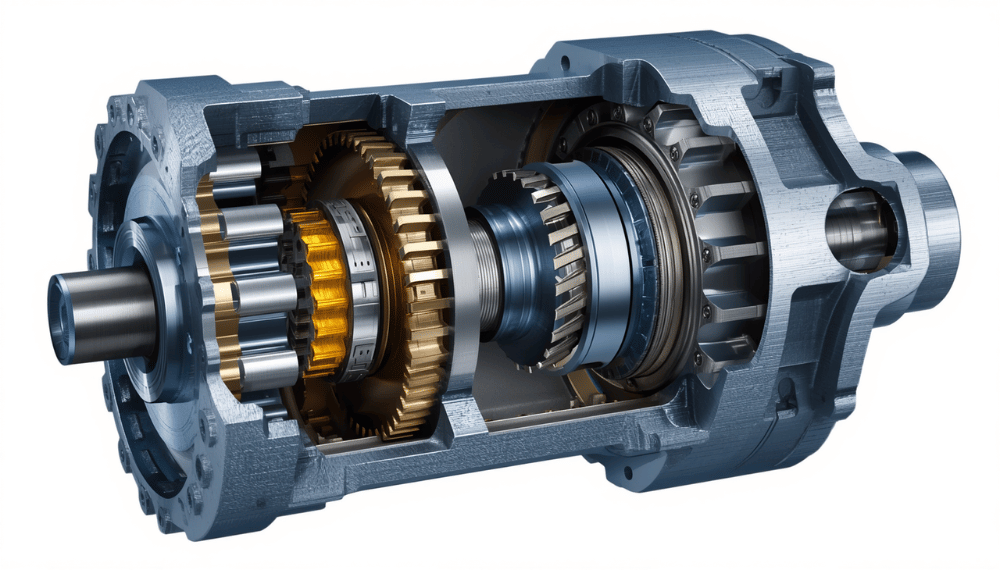
2.2 Planetary Reducers: Impact Loads and High-Speed Switching
Planetary reducers are mostly used in humanoid robot lower limbs and waist joints, which endure instantaneous impact loads of 3–5 times rated torque during walking and jumping. Meanwhile, humanoid robot gait switching requires reducers to frequently transition between low-speed high-torque and high-speed low-torque states.
This presents contradictory requirements for grease: high oil film strength is needed at low speed and high torque to prevent tooth surface scuffing, while low-viscosity base oil is needed at high speed and low torque to reduce churning resistance. EUBO's planetary reducer dedicated grease maintains stable friction coefficients across a wide speed range through "composite thickener + gradient viscosity base oil" technology:
-
Four-ball weld load ≥315kg, meeting extreme pressure requirements under impact loads
-
DN value (speed × bearing bore) up to 500,000, adapting to high-speed switching conditions
-
Anti-wear performance: FZG gear test passing above level 12, with tooth surface wear reduced by 60%
2.3 Screws and Guides: Accuracy Retention and Dust Protection
Humanoid robot linear actuators (linear joints) extensively use ball screws or planetary roller screws to convert rotary motion into linear motion. Screw lead accuracy directly determines robot end-effector positioning accuracy, while poor lubrication leads to screw-nut pair wear, increased clearance, and excessive backlash.
More challenging is that humanoid robots operating in home or factory environments are exposed to dust, fibers, and debris that easily invade screw guides. Traditional greases adsorb these particles, forming "grinding paste" that accelerates wear. EUBO's screw dedicated grease uses high-cleanliness base oil and dense thickener structure, with optional solid lubricants (such as PTFE or molybdenum disulfide):
-
Cleanliness reaching NAS 1638 Class 5, reducing particle introduction
-
Low friction coefficient (≤0.08), reducing motor drive energy consumption
-
Synergistic design with dust shields: Creating a "dual barrier" between grease and dust shields to extend screw life
 III. Structural Bonding and Encapsulation: "Molecular-Level Welding" for Lightweighting
3.1 Heterogeneous Bonding of Magnesium-Aluminum Alloy Shells and Carbon-Fiber Frames
To reduce weight, humanoid robot body frames extensively use carbon-fiber reinforced polymer (CFRP), while joint shells, battery compartments, and other components use magnesium-aluminum alloys. These two materials have vastly different surface energies: CFRP approximately 40mN/m, magnesium-aluminum alloy approximately 800mN/m, with thermal expansion coefficients differing by an order of magnitude. Traditional structural adhesives easily generate internal stress at these material interfaces, leading to debonding under the thermal cycling of repeated robot motion.
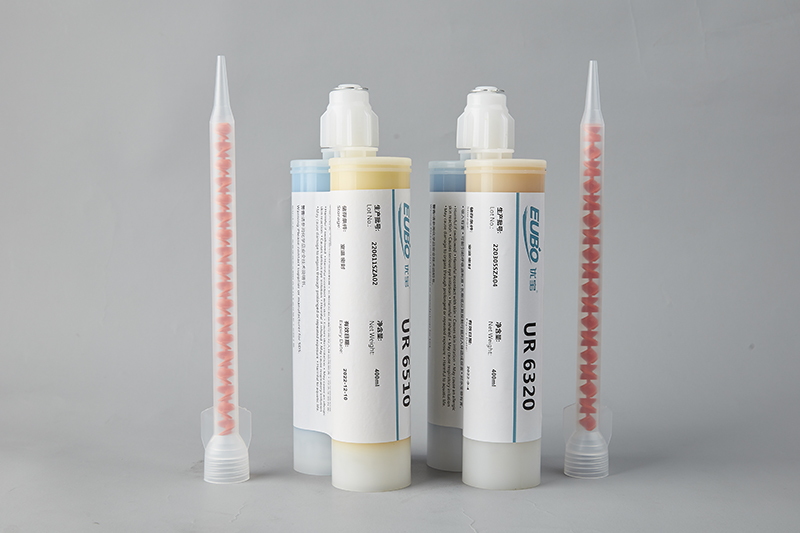
EUBO's two-component epoxy structural adhesive achieves high-reliability bonding of dissimilar materials through flexible chain toughening and primer synergy:
-
Shear strength ≥25MPa (aluminum-aluminum bonding), peel strength ≥6N/mm (aluminum-CFRP bonding)
-
Fatigue resistance: After 1,000 cycles under ±40℃ thermal cycling, shear strength retention ≥85%
-
Lightweight contribution: Replacing bolted connections reduces single-joint weight by 30–50%, while eliminating stress concentration points
3.2 Precision Fixation of Sensors and Actuators
Humanoid robots have dozens of torque sensors, IMUs (inertial measurement units), and vision sensors distributed across the body. These sensor mountings must ensure structural rigidity without causing measurement drift due to adhesive layer stress. Meanwhile, actuator (such as servo motor, linear motor) fixation to the shell must remain secure under high-frequency vibration.
EUBO's acrylic structural adhesive and PUR hot melt adhesive each have advantages in this scenario:
-
Acrylic structural adhesive: Fast curing speed (5–10 minutes tack-free), suitable for production line takt times; excellent impact resistance, suitable for actuator fixation
-
PUR hot melt adhesive: Post-cure elongation at break >300%, capable of absorbing vibration energy, suitable for sensor fixation; moisture-cure mechanism ensures long-term reliability
3.3 Sealing and Protection of Battery Modules and Wiring Harnesses
Humanoid robot battery packs and wiring harness interfaces must meet IP54 or higher protection ratings, preventing sweat, dust, and liquid intrusion. EUBO's UV-curable sealant and conformal coating provide fast, reliable sealing solutions:
-
UV adhesive: Second-level curing, suitable for automated dispensing production lines; excellent adhesion to PC, ABS, nylon, and other plastic shells
-
Conformal coating: Forms a dense protective film on circuit boards and connectors, resistant to salt spray and humid heat, meeting home and industrial environment requirements
 IV. EUBO's "Robot-Grade Grease and Glue" Solution Matrix
Based on over twenty years of technical accumulation in specialty lubrication and adhesive materials, Shenzhen EUBO New Materials Co., Ltd. provides the following product portfolio for the humanoid robot industry chain:
|
Application Scenario
|
Product Type
|
Core Performance
|
EUBO Model
|
|
Harmonic reducer
|
Harmonic dedicated grease
|
Anti-fretting wear, long life, low starting torque
|
UB-RH100
|
|
Planetary reducer
|
Planetary dedicated grease
|
High EP, wide speed range, impact resistant
|
UB-RP200
|
|
Screw/guide
|
Screw dedicated grease
|
High cleanliness, low friction, dust protection synergy
|
UB-RS300
|
|
Shell heterogeneous bonding
|
Two-component epoxy structural adhesive
|
High shear, fatigue resistant, lightweight
|
UB-EP500
|
|
Sensor/actuator fixation
|
Acrylic structural adhesive / PUR hot melt adhesive
|
Fast cure, vibration resistant, low stress
|
UB-AC600 / UB-UR700
|
|
Battery/wiring sealing
|
UV-curable sealant / conformal coating
|
Second-level cure, high protection, automation compatible
|
UB-UV800 / UB-CF900
|
Technical Support System:
-
CNAS-accredited testing center: Equipped with fretting wear testers, FZG gear test rigs, high-low temperature cycling chambers, and other robot-dedicated testing capabilities
-
Customized development: Formulation customization services based on customer-specific reducer models, shell materials, and operating parameters
-
Rapid response: Shenzhen headquarters + 30,000-square-meter intelligent manufacturing base in Yichun, Jiangxi, supporting small-batch prototyping through large-batch delivery
V. Conclusion
Humanoid robot mass production is not simple mechanical assembly, but an extreme challenge in materials science. From fretting wear on harmonic reducer tooth surfaces, to heterogeneous bonding of magnesium-aluminum and carbon fiber, from accuracy retention of screw guides, to long-term reliability of sensor encapsulation, every materials detail determines whether robots can transition from "demonstration products" to "daily-use products."
Shenzhen EUBO New Materials Co., Ltd. drives innovation through both "lubrication + bonding," providing underlying materials support for China's humanoid robot industry chain. We do not pursue replacing imported brands across the entire market, but hope that when customers need fast customization, flexible response, and cost-effective solutions, EUBO can be the option "worth trying."
In 2026, the mass production year for humanoid robots, EUBO stands ready to collaborate with reducer manufacturers, robot body makers, and system integrators, using materials innovation to help humanoid robots enter millions of households.
About Shenzhen EUBO New Materials Co., Ltd.
Shenzhen EUBO New Materials Technology Co., Ltd. (EUBO), founded in 2000, is a national high-tech enterprise and a national-level specialized and innovative "Little Giant" company specializing in the R&D, production, sales, and service of specialty lubricating greases and adhesives. The company operates a CNAS-accredited laboratory, a joint laboratory with Shenzhen Tsinghua University Research Institute, and a 30,000-square-meter intelligent manufacturing base in Yichun, Jiangxi. Its products are widely used in automotive, electronics, new energy, robotics, aerospace, and low-altitude economy sectors, and have passed international certifications including IATF 16949, ISO 9001, ISO 14001, and NSF.