










MESSAGE
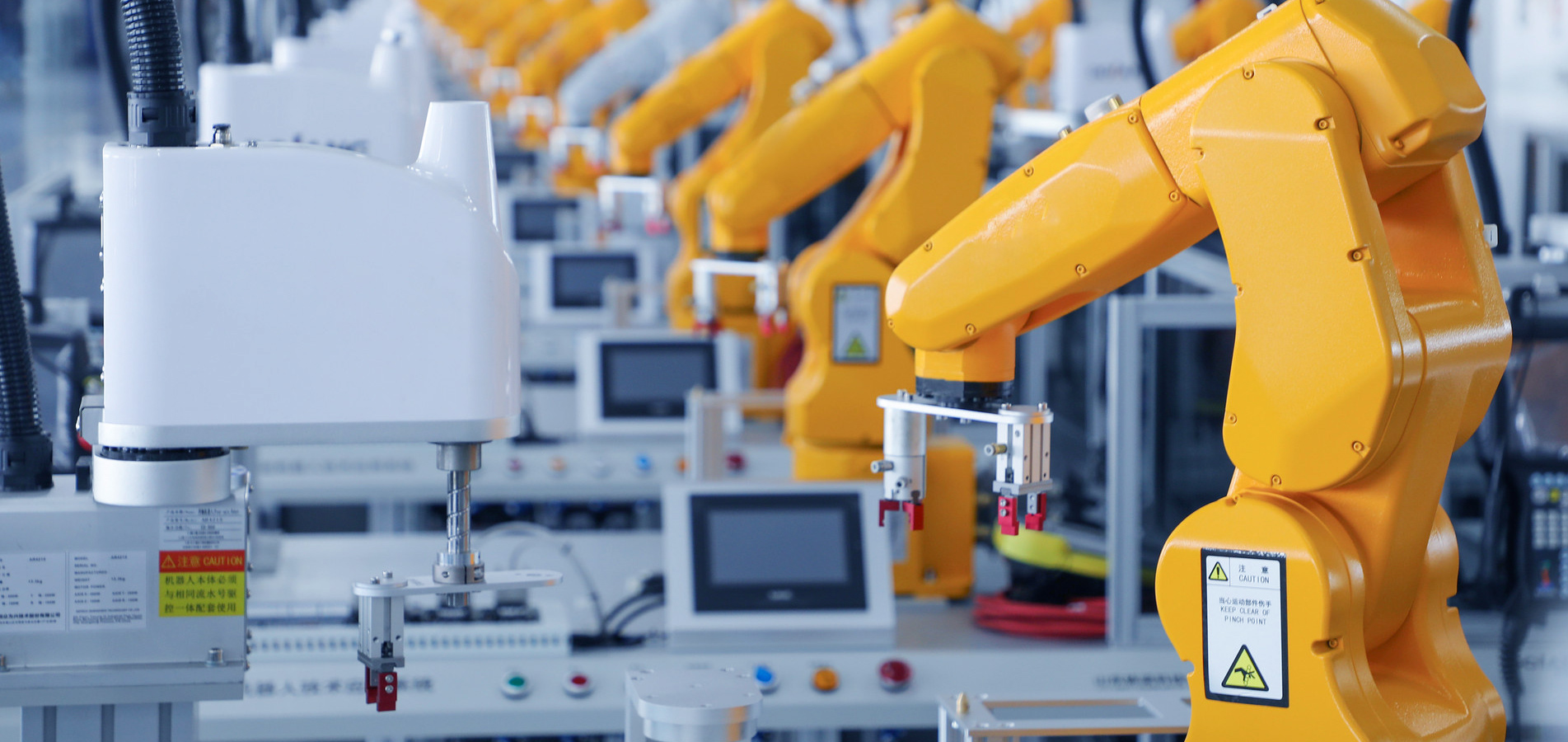
Harmonic drive systems are one of the most critical precision transmission components in industrial robots. Their performance directly affects positioning accuracy, motion stability, noise level, and overall service life of robotic systems.
Unlike conventional gear systems, harmonic drives operate under elastic deformation transmission mechanisms, which creates unique lubrication challenges under high-frequency motion and high-load conditions. Therefore, selecting the appropriate lubrication grease is essential for ensuring stable and long-term operation.
Harmonic drive systems typically operate under the following conditions:
These characteristics make lubrication performance highly sensitive to material selection.
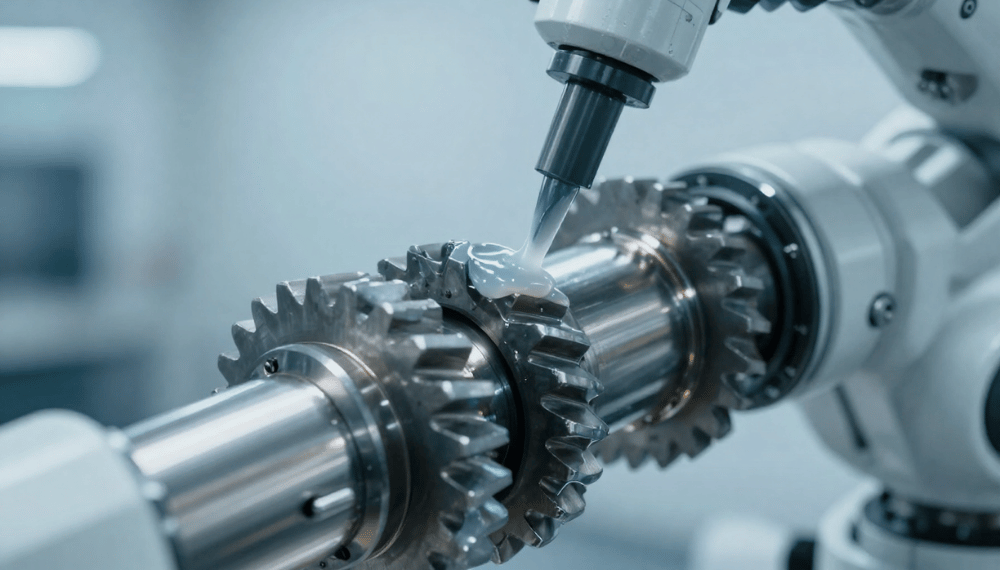
In real-world robotic applications, insufficient lubrication performance may lead to several issues:
Breakdown of lubrication film can lead to direct metal contact and increased operational noise.
Continuous high-load operation accelerates wear on flex splines and gear surfaces.
Uneven lubrication may result in unstable torque transmission and reduced precision.
For harmonic drive applications, lubrication grease must meet strict performance requirements:
Under high-frequency micro-motion conditions, lubrication film stability is especially important.

Harmonic drives are widely used in:
Different applications require customized lubrication solutions based on load and motion characteristics.
In advanced robotic systems, lubrication grease alone may not fully meet long-term performance requirements.
A multi-material optimization approach is often used:
This combined material system significantly improves overall transmission reliability and service life.
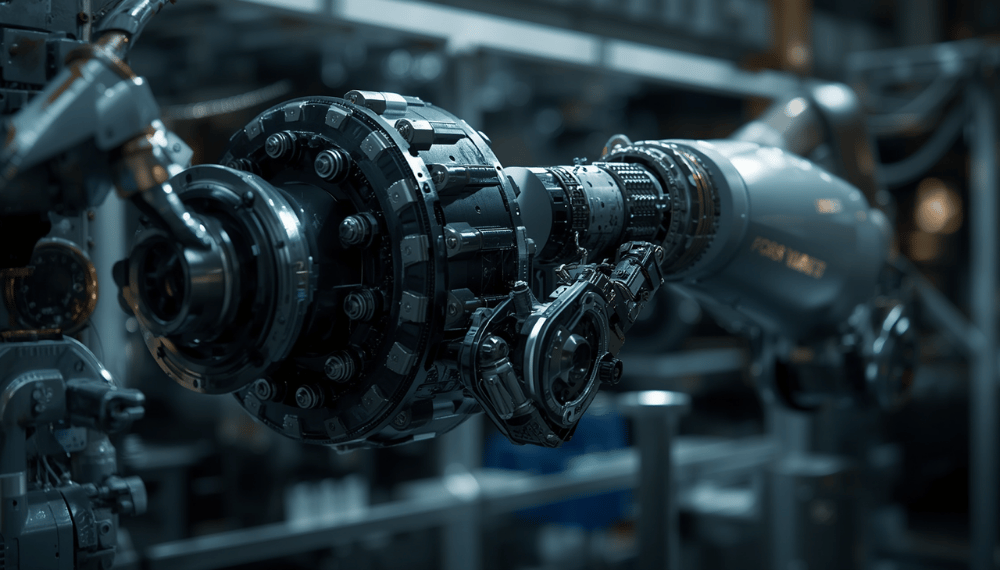
As industrial robots continue to evolve toward higher precision and higher load capacity, lubrication technology for harmonic drive systems plays an increasingly important role in ensuring stable operation and long-term reliability.
Shenzhen Youbao Advanced Materials provides high-performance lubrication greases, functional coatings, and adhesive solutions for precision transmission systems in robotics and advanced industrial equipment, helping customers improve efficiency and equipment durability.