









MESSAGE

As industrial robotics continues to advance toward higher precision, greater speed, and longer service life, the performance requirements for key mechanical components are becoming increasingly demanding. Besides high-quality lubricants and adhesives, functional coatings have become an important solution for improving durability, reducing wear, and enhancing overall equipment reliability.
From robotic joints and transmission components to precision mechanical parts, surface engineering technologies are playing a growing role in modern robotic manufacturing.
Robot components operate under continuous motion, repeated friction, and varying environmental conditions. Over time, these operating conditions may lead to surface wear, corrosion, increased friction, and reduced positioning accuracy.
Functional coatings create a protective layer on the surface of components, helping improve durability without changing the mechanical design.
Typical benefits include:
These advantages make functional coatings an important part of advanced robotic material solutions.

Functional coatings are widely used in various robotic components, including:
Joint assemblies experience continuous movement and repeated mechanical loading. Surface coatings help reduce wear and improve long-term operational stability.
Components such as gears, shafts, bearings, and precision transmission mechanisms benefit from coatings that reduce friction while improving wear resistance.
Guide rails and linear motion assemblies require smooth movement and high positioning accuracy. Functional coatings help maintain consistent performance over extended operating periods.
For components operating under heavy loads or continuous cycles, protective coatings provide additional durability and reduce surface fatigue.
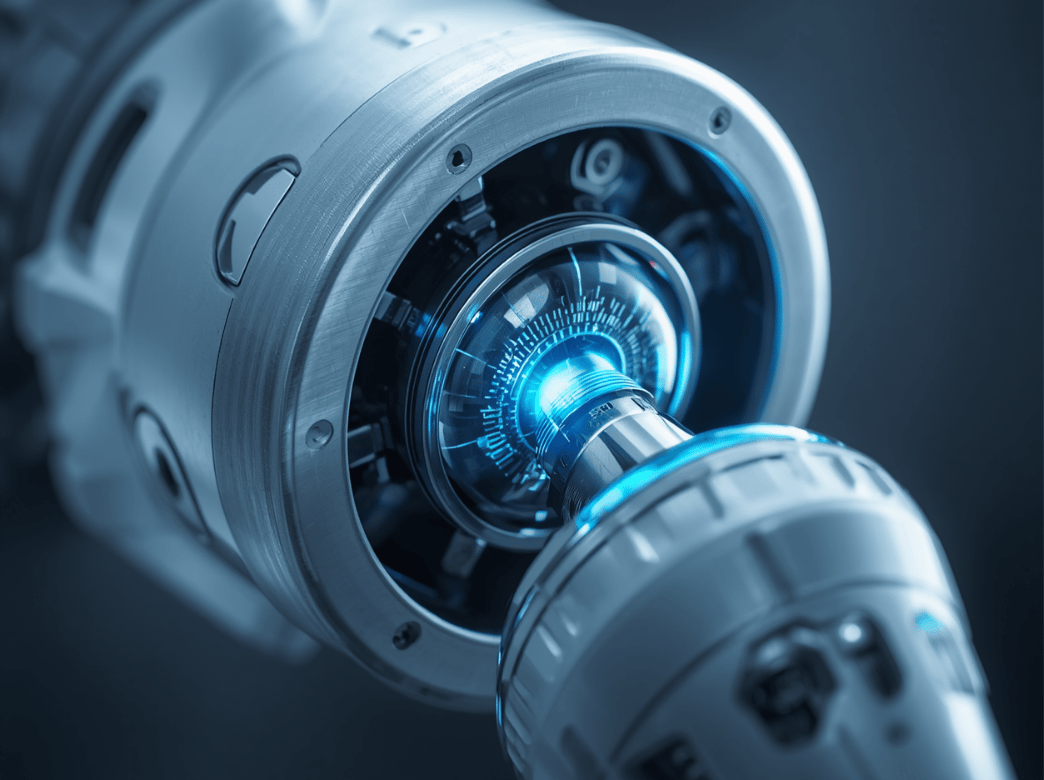
Unlike conventional surface finishing processes, functional coatings are designed to provide multiple performance improvements simultaneously.
Compared with traditional treatments, advanced coatings can offer:
These characteristics are especially valuable for precision robotic equipment operating in automated production environments.
Functional coatings perform even better when combined with other engineered materials.
For example:
Together, these materials contribute to improved system efficiency, lower maintenance costs, and extended equipment life.
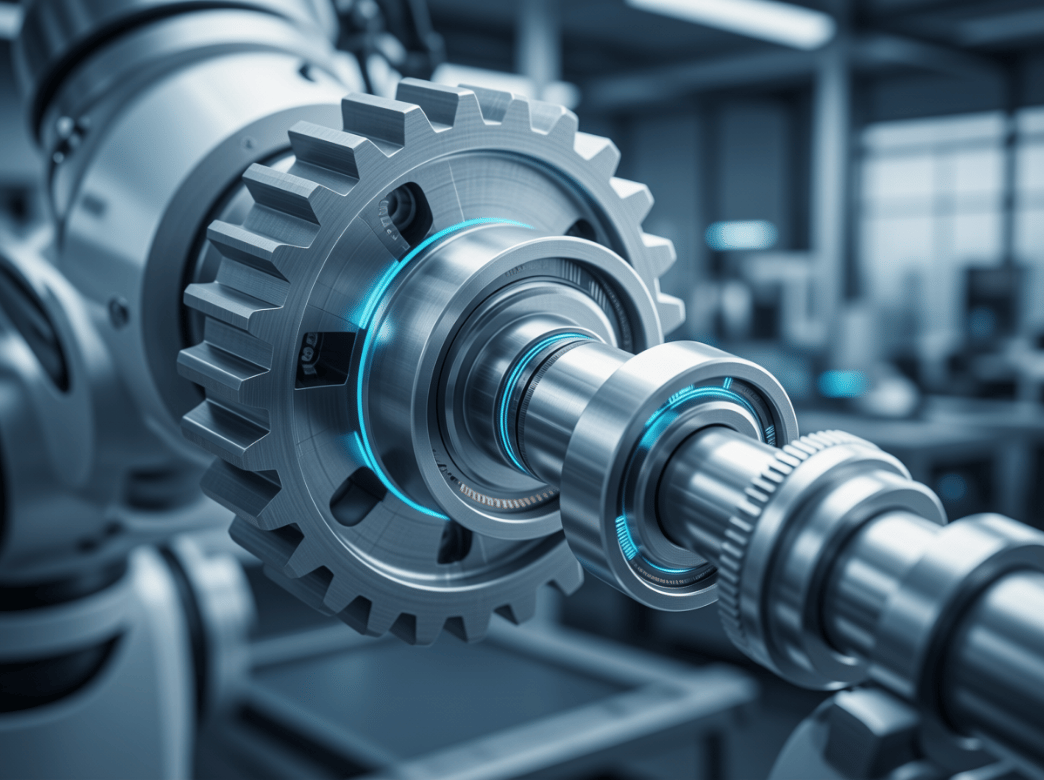
Selecting an appropriate coating depends on several application factors, including:
Proper material selection helps maximize equipment performance while reducing long-term operating costs.
As robotics technology continues to evolve, functional coatings are becoming increasingly important for improving wear resistance, extending service life, and enhancing operational reliability.
When combined with high-performance lubricants and electronic adhesives, advanced coating technologies provide a comprehensive material solution for modern robotic systems.
Shenzhen EUBO Advanced Materials offers industrial lubricants, functional coatings, and adhesive solutions for robotics, intelligent manufacturing, precision machinery, and advanced industrial applications, helping customers improve equipment performance and long-term reliability.