









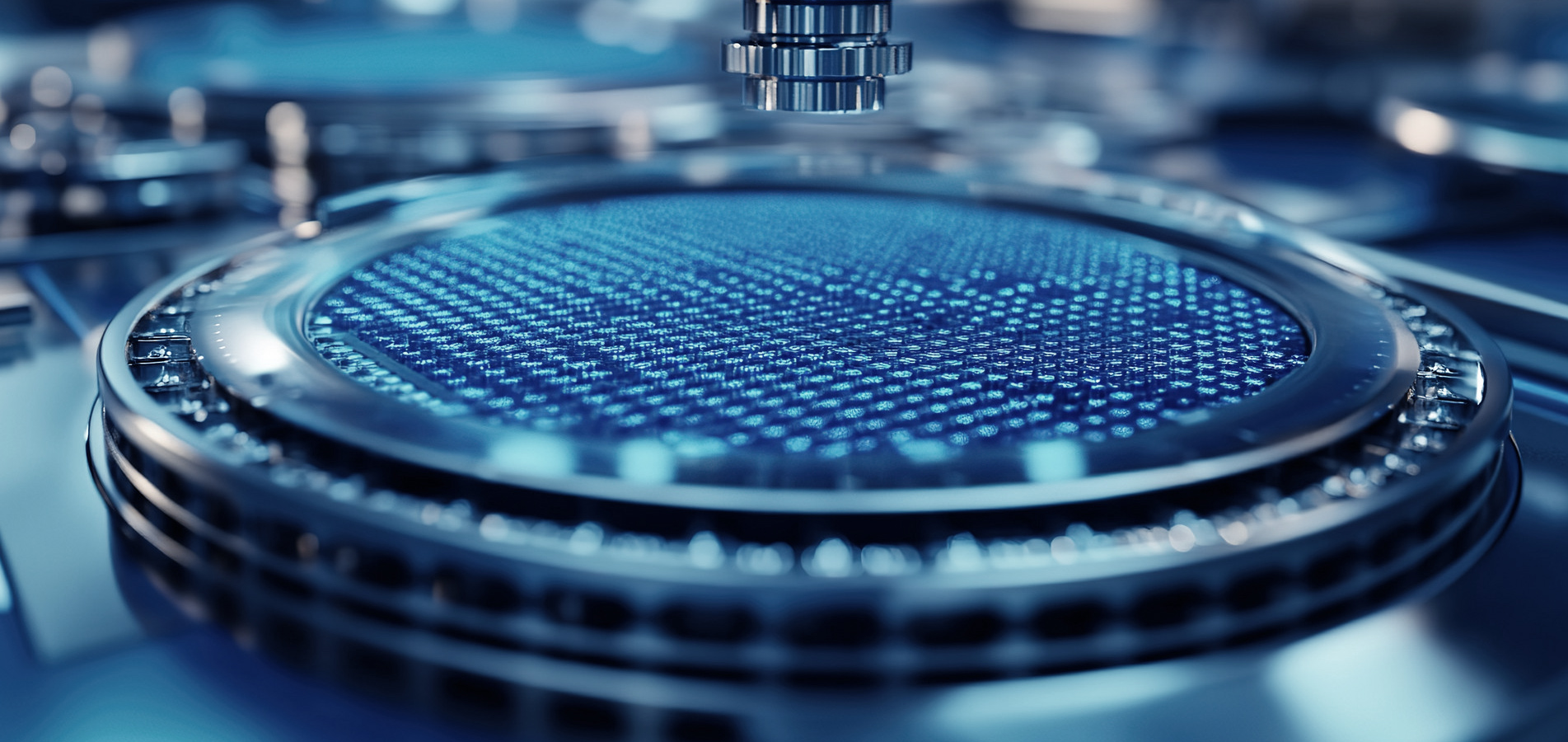



MESSAGE

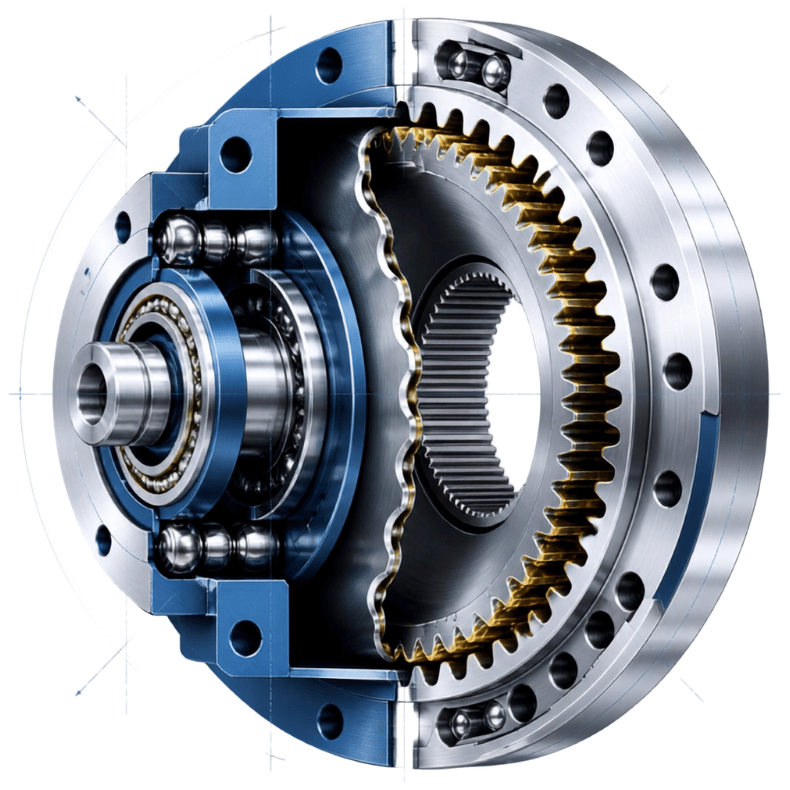
 II. Reducer Lubrication: The "Invisible Killer" Under High-Frequency Fretting
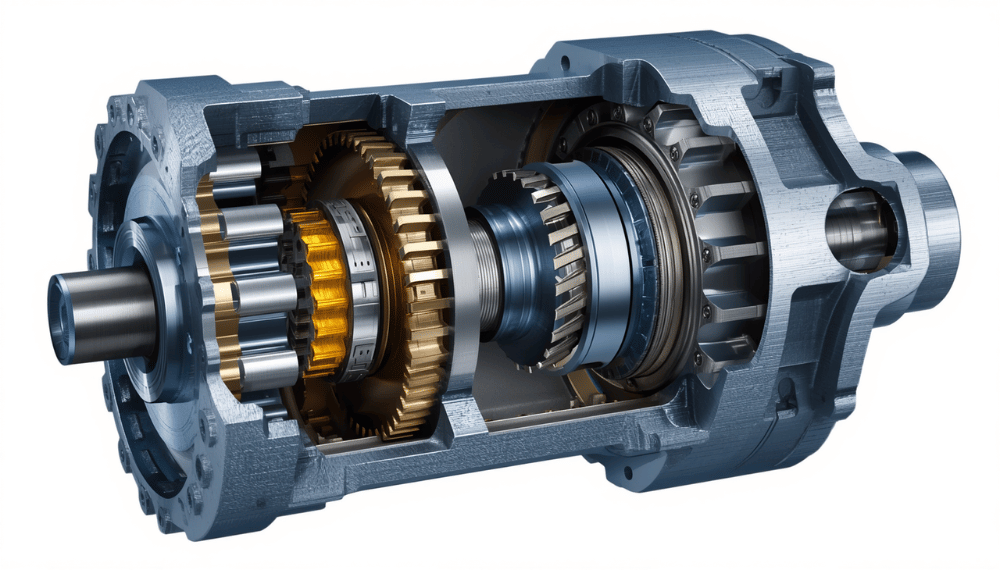
 III. Structural Bonding and Encapsulation: "Molecular-Level Welding" for Lightweighting
 IV. EUBO's "Robot-Grade Grease and Glue" Solution Matrix
| Application Scenario | Product Type | Core Performance | EUBO Model |
|---|---|---|---|
| Harmonic reducer | Harmonic dedicated grease | Anti-fretting wear, long life, low starting torque | UB-RH100 |
| Planetary reducer | Planetary dedicated grease | High EP, wide speed range, impact resistant | UB-RP200 |
| Screw/guide | Screw dedicated grease | High cleanliness, low friction, dust protection synergy | UB-RS300 |
| Shell heterogeneous bonding | Two-component epoxy structural adhesive | High shear, fatigue resistant, lightweight | UB-EP500 |
| Sensor/actuator fixation | Acrylic structural adhesive / PUR hot melt adhesive | Fast cure, vibration resistant, low stress | UB-AC600 / UB-UR700 |
| Battery/wiring sealing | UV-curable sealant / conformal coating | Second-level cure, high protection, automation compatible | UB-UV800 / UB-CF900 |
As consumer expectations for driving comfort continue to increase, interior noise and perceived vehicle quality have become increasingly important factors in automotive design.
In addition to engine noise, road noise, and wind noise, minor noise generated by friction, vibration, and movement between interior components can also affect the driving experience.
Plastic-to-plastic contact, plastic-to-metal contact, clips, sliding mechanisms, hinges, and other moving components may gradually develop unwanted noise as vehicles are exposed to temperature changes, vibration, and long-term use.
In these applications, damping grease can provide an effective material-based solution by combining lubrication, friction reduction, and damping performance.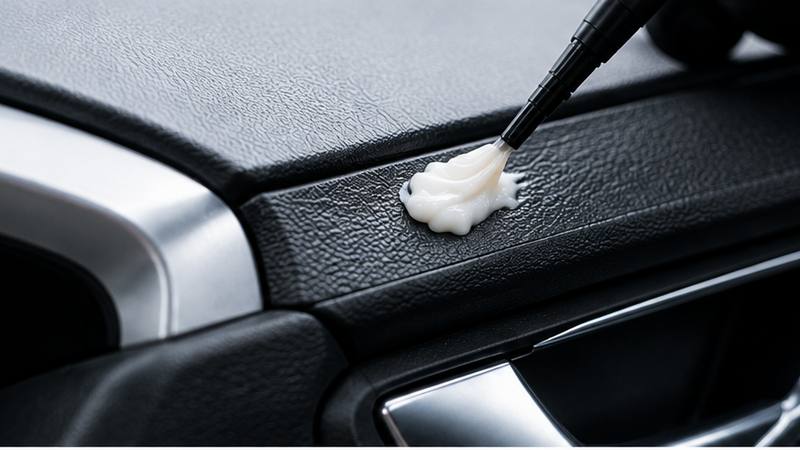
Automotive interiors contain a large number of components made from different materials. During vehicle operation, relative movement between these components may produce friction and vibration.
Common sources include:
Dashboard panels, door trims, storage compartments, and decorative components may experience small relative movements during vehicle vibration, resulting in friction noise.
When plastic components come into contact with metal supports or structural parts, differences in friction characteristics can contribute to unwanted noise.
Moving components such as seat adjustment mechanisms, storage box hinges, and sliding structures may experience increased friction as their original lubrication gradually decreases.
Long-term vibration and repeated movement may lead to small changes in assembly clearances. These changes can cause micro-movements and impact noise between components.
Compared with conventional lubricating greases, damping grease places greater emphasis on adhesion, damping behavior, and control of friction and micro-vibration.
In automotive interior applications, damping grease can help in several ways.
A stable lubrication layer reduces direct contact between plastic and metal or between plastic components, helping minimize friction-related noise.
Damping grease has viscoelastic characteristics that can absorb part of the vibration energy and reduce vibration transmission between components.
For structures subject to micro-movement, damping grease can fill small gaps between contact surfaces and reduce impact and rubbing between components.
Compared with temporary mechanical adjustments, an appropriate damping material can improve the long-term operating condition of contact and moving areas.
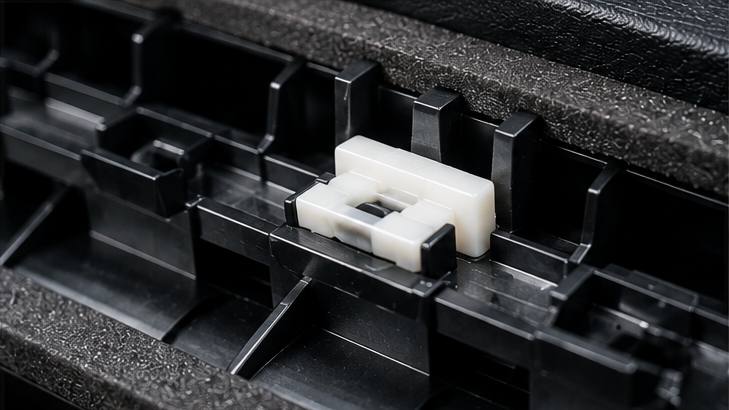
Damping grease can be applied to a wide range of automotive interior structures, including:
Different application locations involve different temperature ranges, materials, and movement patterns. Therefore, damping grease should be selected according to the specific operating conditions rather than using a single formulation for every application.
Material compatibility is particularly important in automotive interior applications.
Automotive interiors commonly use engineering plastics such as POM, PA, ABS, and PC. The selected grease should have good compatibility with these materials to minimize risks such as swelling, cracking, or degradation during long-term use.
For applications where noise reduction is the primary objective, the material should provide not only lubrication but also stable damping performance.
Automotive interiors can experience significant temperature fluctuations. Damping grease should maintain suitable performance across the required temperature range.
For components that are difficult to access or maintain, long-life and stable damping grease can help reduce maintenance requirements.
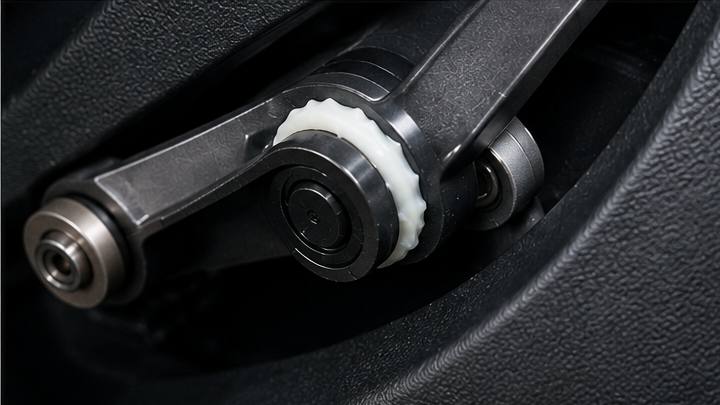
Shenzhen EUBO Advanced Materials provides damping grease and other specialty lubrication materials for automotive interiors, precision mechanisms, and compact moving components.
Depending on the material combination, movement pattern, temperature range, and noise requirements, different formulations can be selected to provide suitable damping, lubrication, temperature resistance, and material compatibility.
Through appropriate material selection and structural design, damping grease can help address friction noise, micro-vibration, and small clearance-related issues.
Automotive interior noise can result from multiple factors, including material characteristics, structural design, assembly conditions, and long-term operating environments.
Damping grease is not a replacement for structural optimization, but it can serve as an effective functional material for controlling friction, micro-vibration, and local movement.
As automotive manufacturers continue to place greater emphasis on quietness, comfort, and overall user experience, damping grease is expected to have broader applications in automotive interiors and precision moving mechanisms.
With the development of smart devices, automotive electronics, automation systems, and precision transmission mechanisms, plastic gears are increasingly used due to their lightweight design, low noise characteristics, and flexible manufacturing advantages.
However, plastic gears have unique material properties and require specialized lubrication solutions. Improper grease selection may cause material degradation, increased wear, and reduced equipment reliability.
Therefore, plastic gear grease must provide both excellent lubrication performance and reliable material compatibility.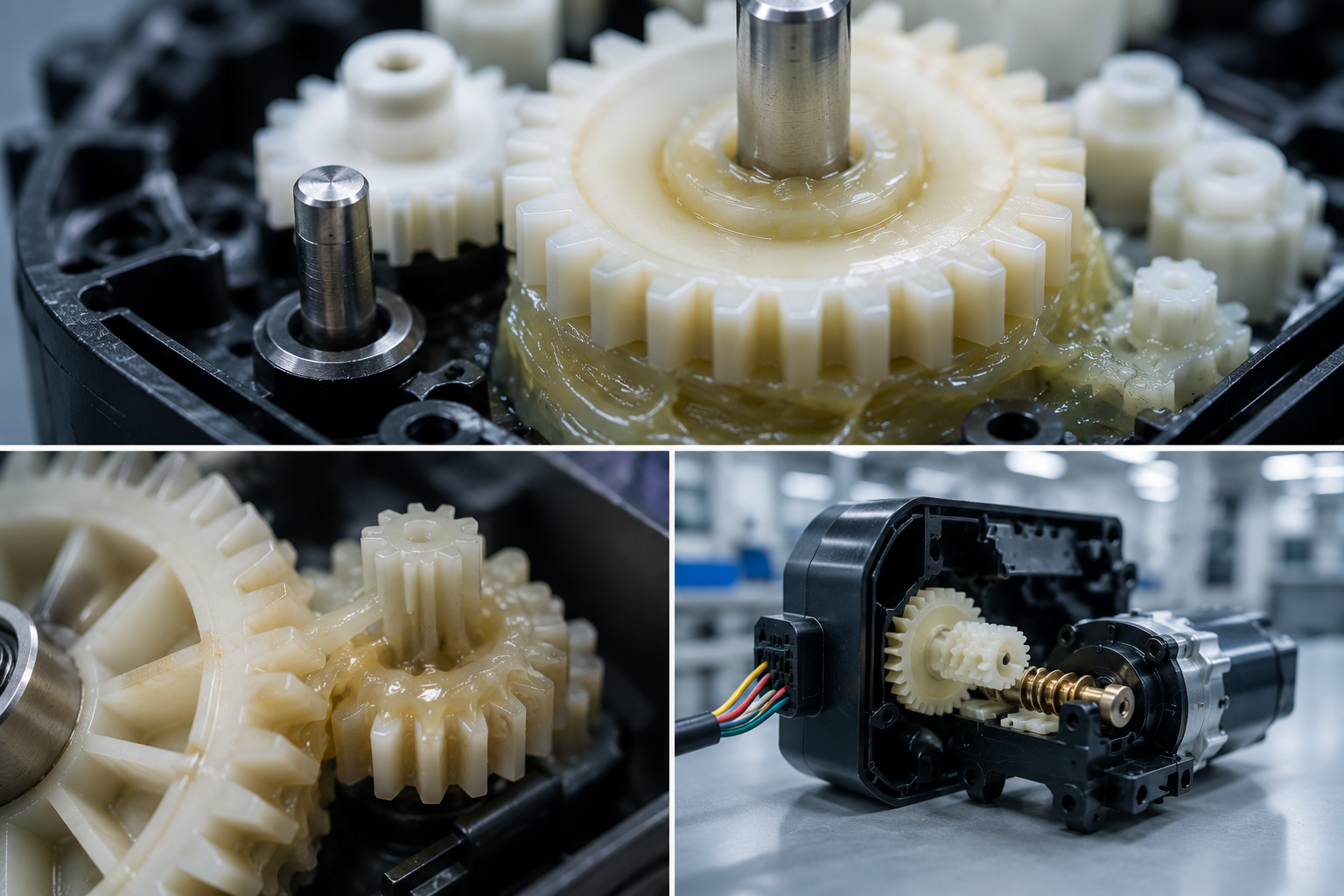
Compared with metal gears, plastic gears require special consideration during lubrication.
Some base oils and additives may interact with plastic materials, causing:
Therefore, compatibility testing is essential for plastic gear lubrication.
Plastic gears are often used in applications requiring quiet operation.
Proper grease can:
Many plastic gear systems require long maintenance intervals.
Lubricants should provide:
High-quality plastic gear grease should be compatible with engineering plastics such as:
to minimize material degradation risks.
Reducing friction and improving gear engagement helps achieve smoother operation.
Effective lubrication reduces gear wear and extends service life.
Reliable performance under different operating temperatures improves equipment durability.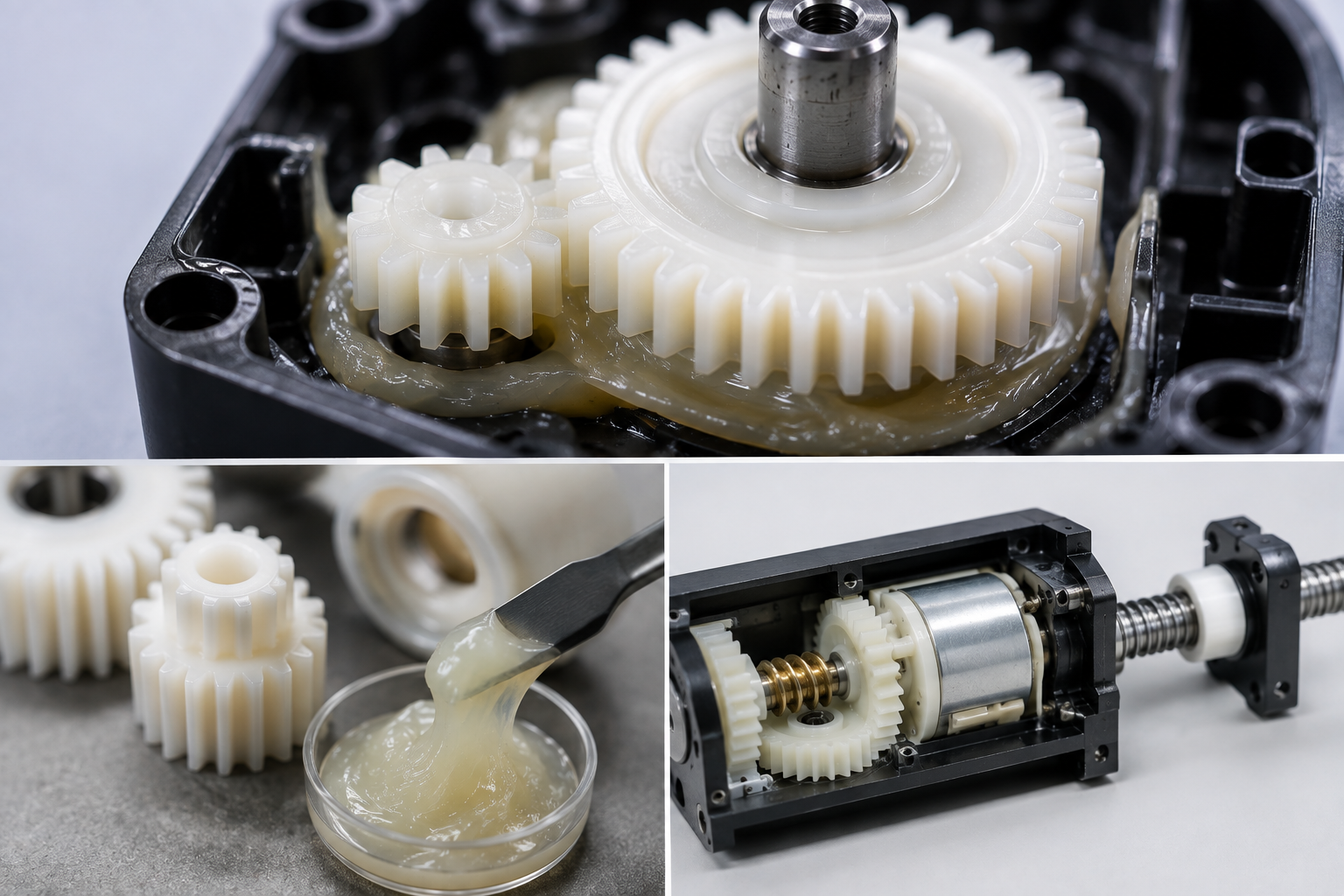
Plastic gear grease is widely used in:
Including smart locks, electric curtains, and actuators.
Such as adjustment mechanisms and small transmission systems.
Applications requiring low noise and long service life.
Improving reliability of precision transmission components.
Selection should consider:
A suitable lubrication solution can reduce friction losses and improve equipment reliability.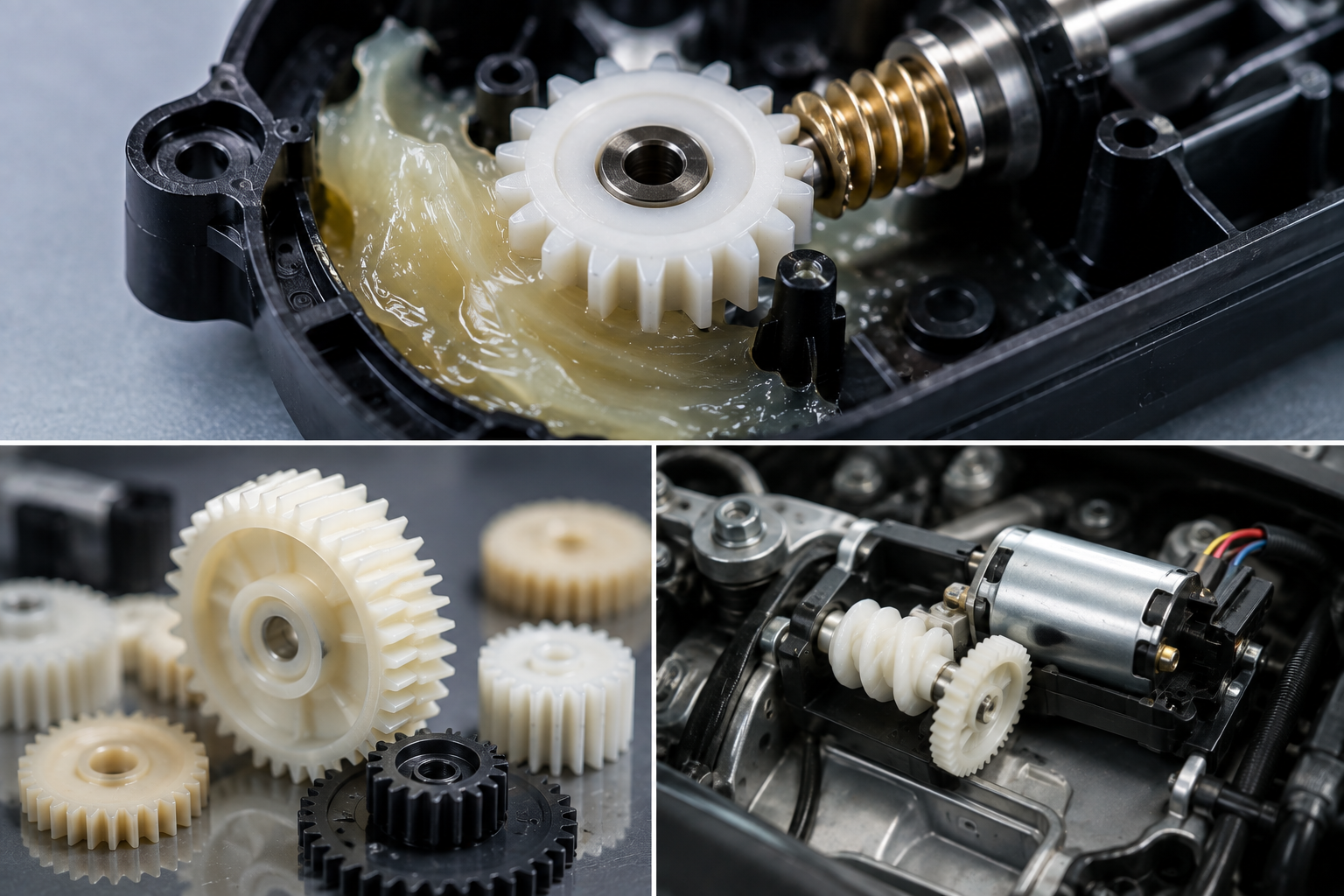
Shenzhen EUBO Advanced Materials focuses on specialty lubricating greases, electronic adhesives, and functional coating materials, providing advanced material solutions for precision manufacturing, automation, new energy, and electronics industries.
EUBO develops lubrication solutions with excellent material compatibility, low noise performance, and long service life to help customers improve product reliability.
Plastic gears offer advantages such as lightweight design and low noise operation, but they require specialized lubrication solutions.
Selecting the right plastic gear grease helps reduce friction, minimize noise, extend service life, and improve overall product reliability.
In semiconductor manufacturing, precision instruments, aerospace equipment, and advanced automation systems, many critical components operate under low-pressure or vacuum conditions.
Compared with conventional industrial environments, vacuum applications require higher-performance lubrication solutions. Lubricating grease must not only reduce friction and wear but also provide low volatility, long-term stability, and excellent material compatibility.
Specialty vacuum grease has become an important material solution for ensuring reliable operation of precision equipment.
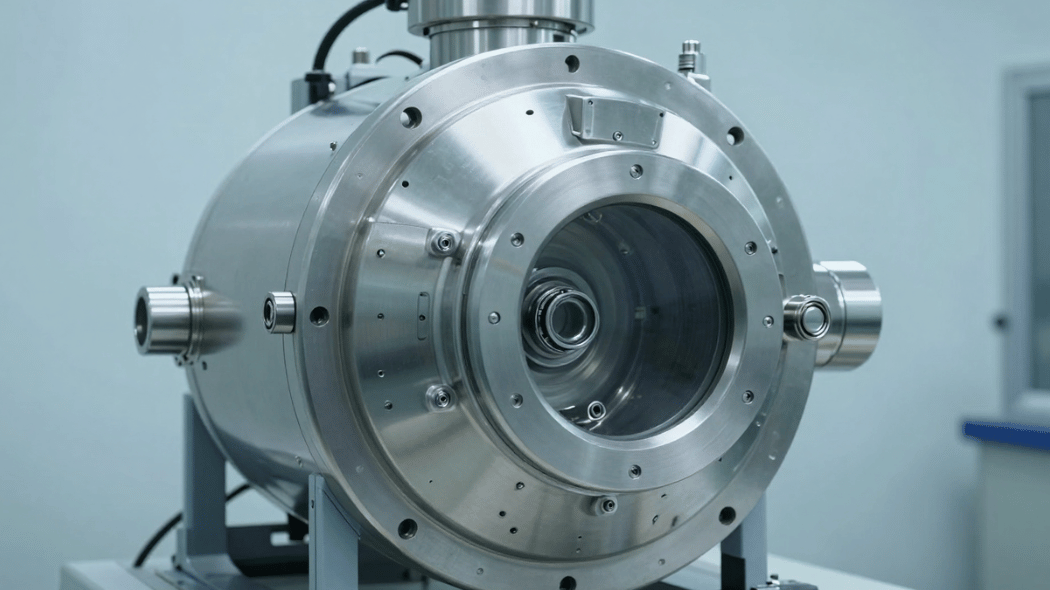
Vacuum conditions create several challenges:
Some conventional lubricant components may evaporate under vacuum conditions, affecting cleanliness and equipment performance.
Vacuum equipment often operates for extended periods, requiring stable lubrication performance.
Lubricants must be compatible with metals, plastics, and sealing materials.
High-performance vacuum grease typically provides:
Reduces material loss and contamination risks.
Minimizes friction and improves equipment efficiency.
Maintains performance under different operating temperatures.
Reduces maintenance requirements and improves reliability.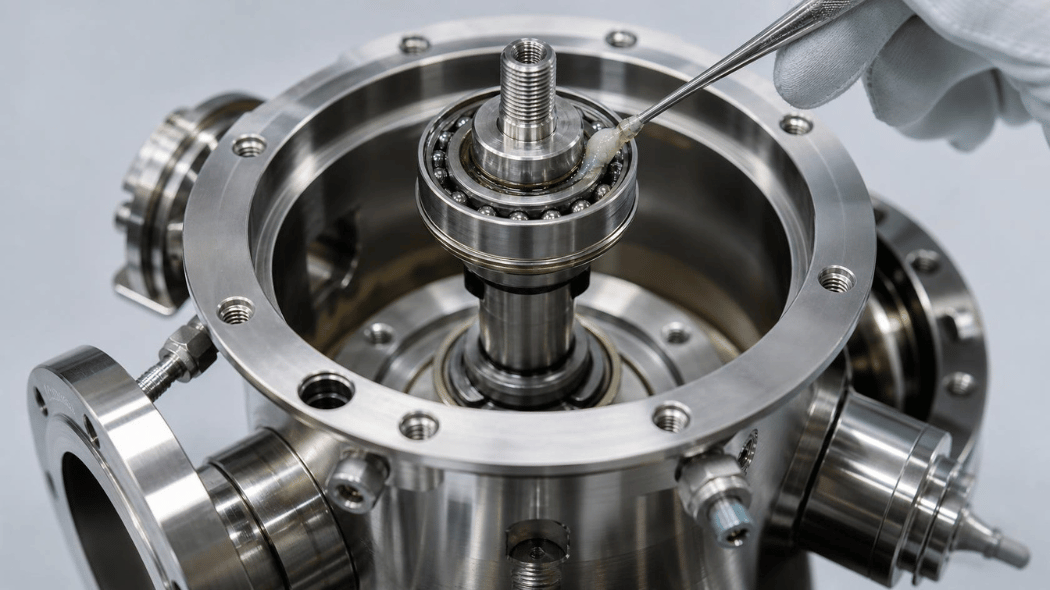
Vacuum grease is widely used in:
Advanced manufacturing technologies require lubrication materials with:
Specialized lubrication solutions will continue to support high-end manufacturing industries.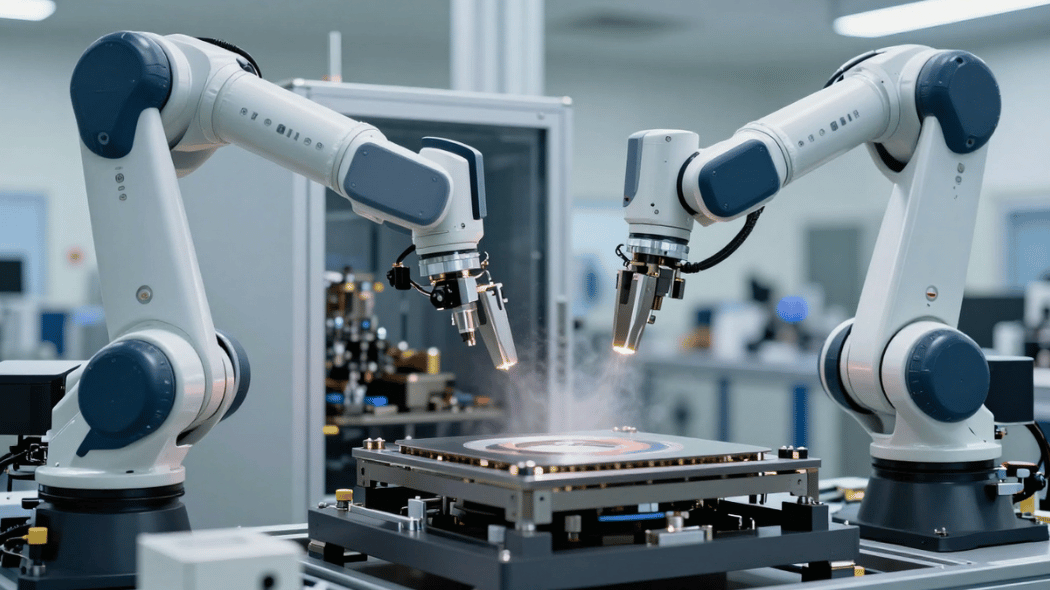
Shenzhen EUBO Advanced Materials focuses on specialty lubricating greases, electronic adhesives, and functional coating materials, providing customized material solutions for different industrial applications.
High-performance lubrication materials help reduce friction, improve equipment stability, and extend the service life of critical components.
With the continuous development of modern industries toward higher precision, efficiency, and longer service life, mechanical components require improved surface protection under demanding operating conditions.
During high-speed operation, heavy loads, elevated temperatures, and corrosive environments, component surfaces may suffer from wear, corrosion, and friction damage, affecting equipment reliability and service life.
Functional coatings provide advanced surface protection by forming a protective layer on component surfaces, improving wear resistance, corrosion resistance, and environmental durability.
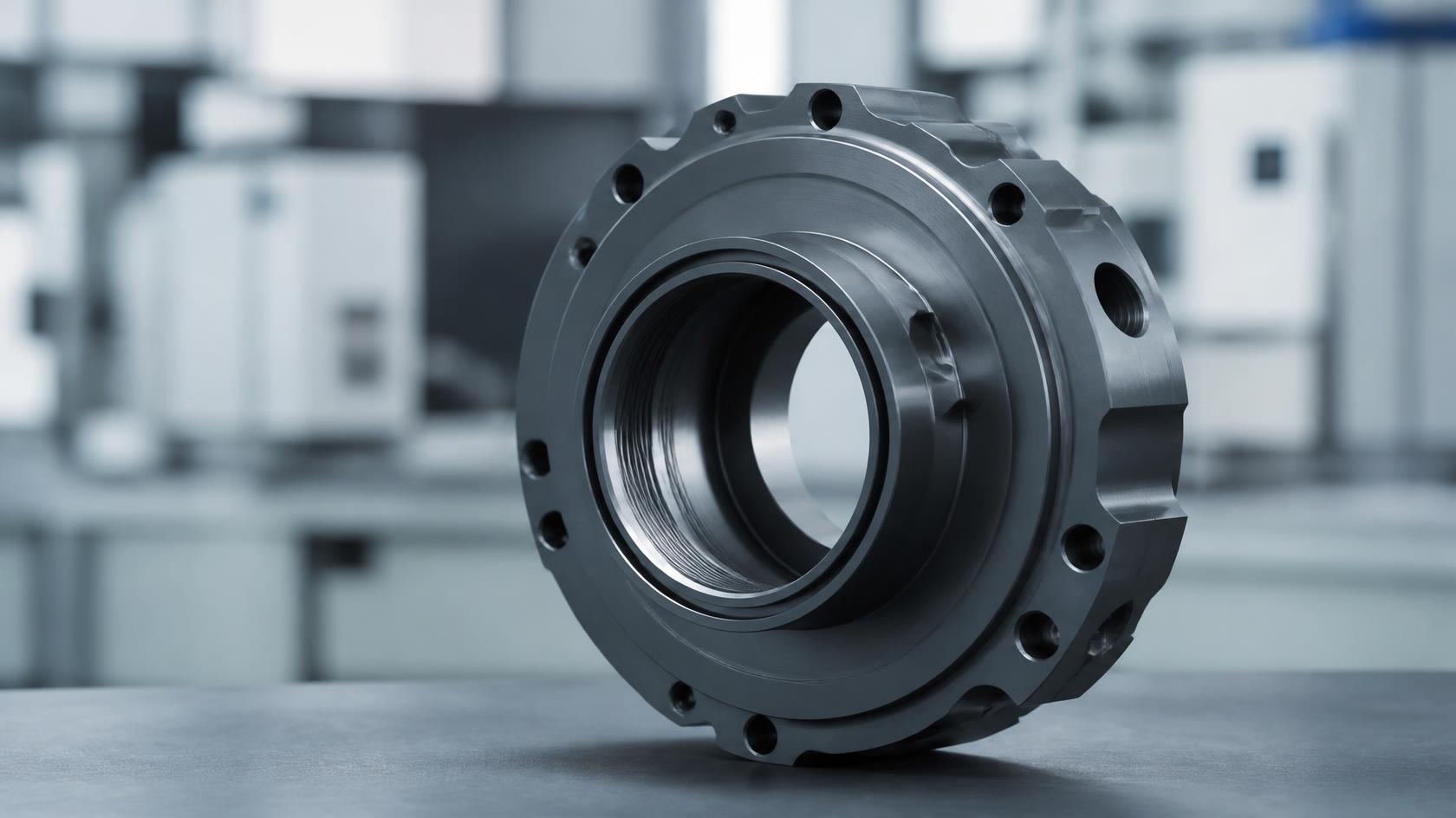
Industrial components may face:
Continuous contact between moving parts can gradually damage surfaces and reduce precision.
Moisture and chemical environments may cause surface degradation.
High temperature, heavy load, and high-speed operation require advanced material protection.
Functional coatings provide:
Improve surface durability and reduce friction-related damage.
Protect components from oxidation, corrosion, and environmental impacts.
Reduce friction and improve efficiency in mechanical systems.
Reduce maintenance requirements and improve reliability.
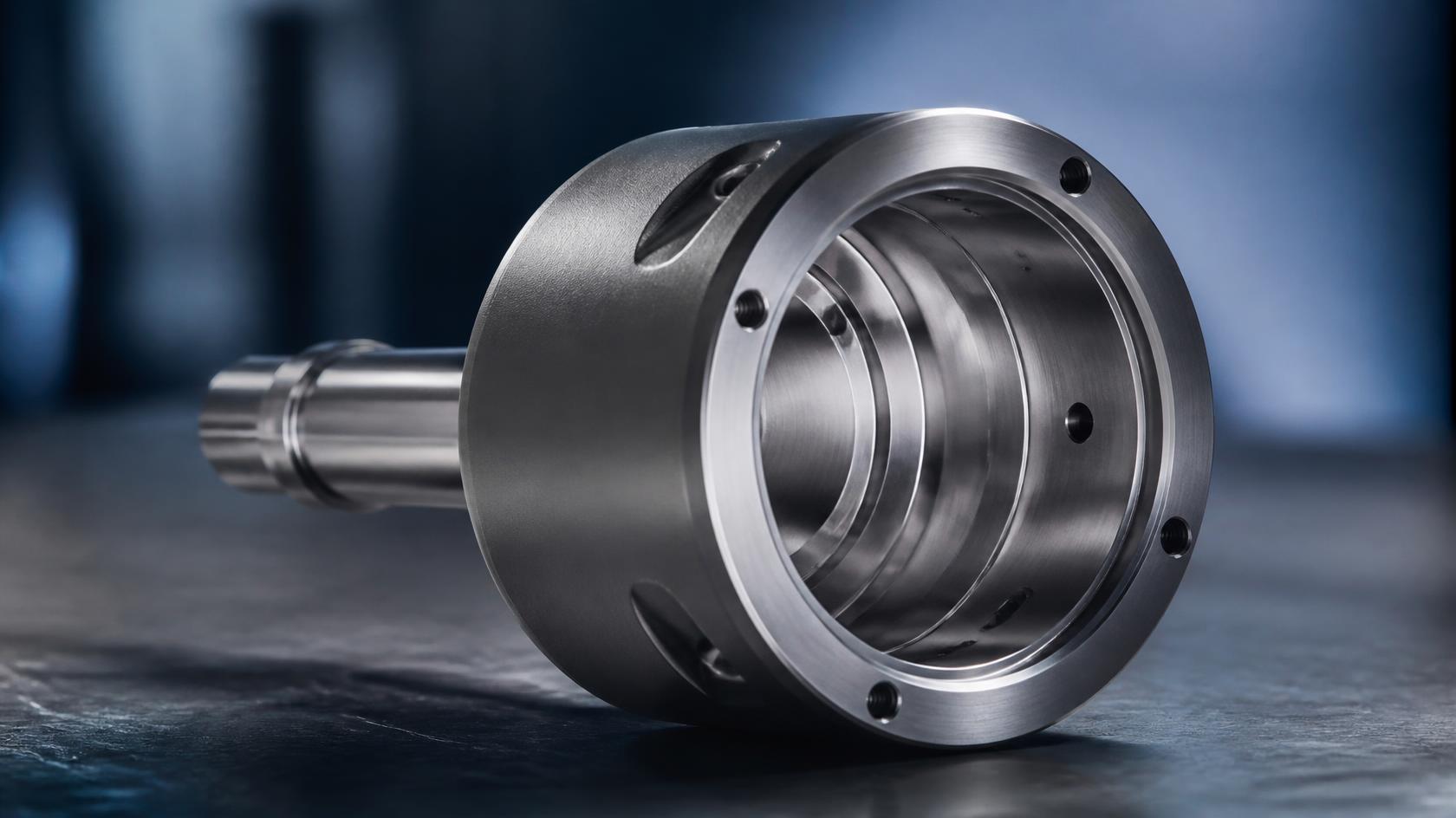
Functional coatings are widely used in:
Modern industrial applications often require combined material technologies.
Integrated solutions include:
Functional coatings are becoming increasingly important in precision manufacturing, automation, new energy, and electronics industries.
Shenzhen EUBO Advanced Materials provides specialty lubricating greases, electronic adhesives, and functional coating solutions to help customers improve product performance and reliability.
In modern industrial manufacturing, many mechanical systems operate under high temperatures, heavy loads, and complex environmental conditions. As an important functional material, lubricating grease directly affects equipment efficiency, maintenance cycles, and service life.
Conventional lubricants may experience oxidation, consistency changes, and performance degradation under high-temperature conditions. Therefore, high-temperature grease has become an important solution for protecting critical industrial components.
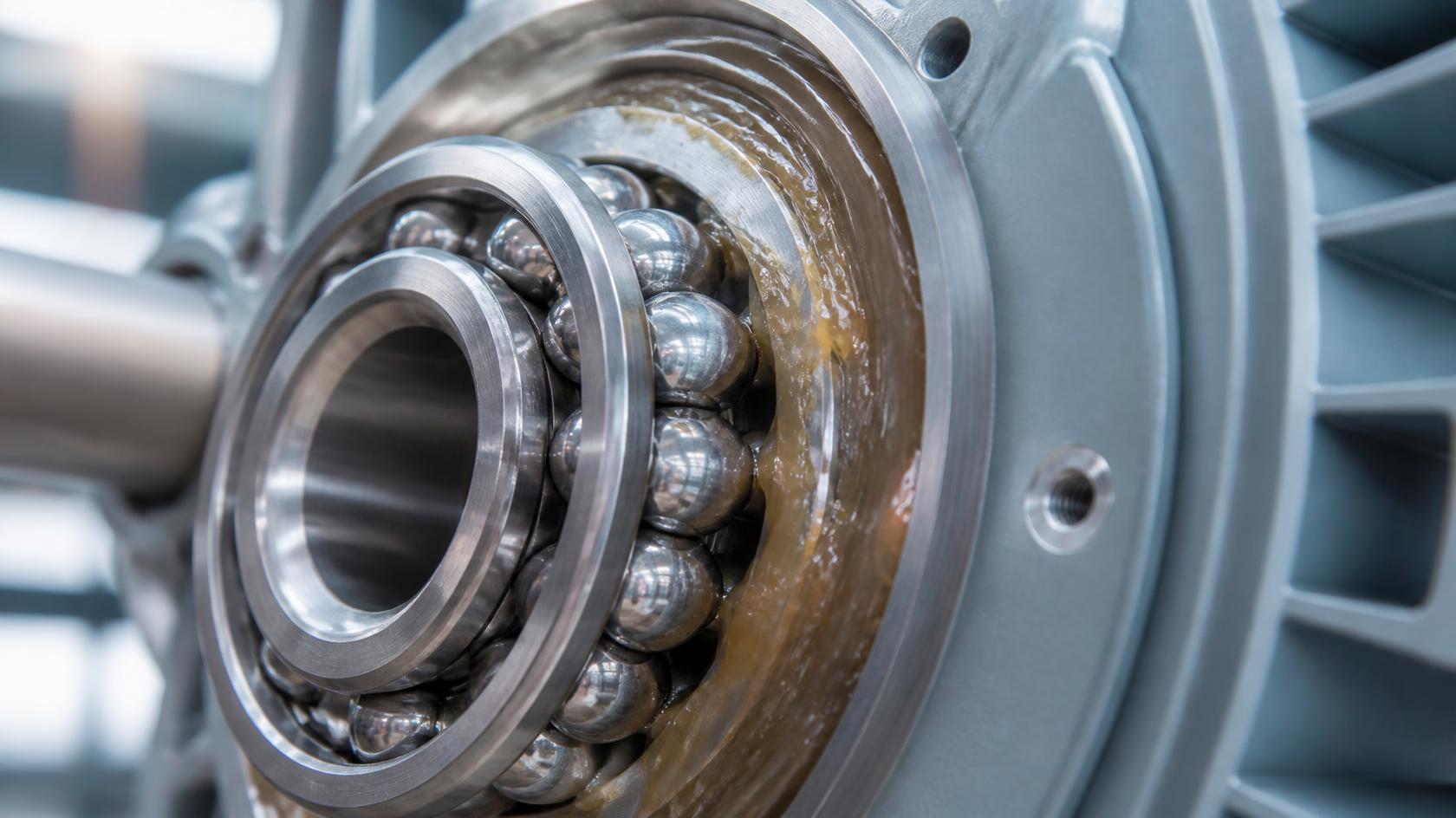
During long-term operation, lubricating grease may face several challenges:
Continuous exposure to high temperatures accelerates oxidation and reduces lubrication performance.
High temperatures may cause grease softening or migration, reducing protection on friction surfaces.
Insufficient lubrication increases metal contact and accelerates mechanical wear.
High-performance high-temperature grease typically requires:
Maintains stable structure and lubrication performance under elevated temperatures.
Reduces material degradation during long-term operation.
Minimizes friction and wear between mechanical components.
Maintains performance under high-speed operation and continuous shear conditions.
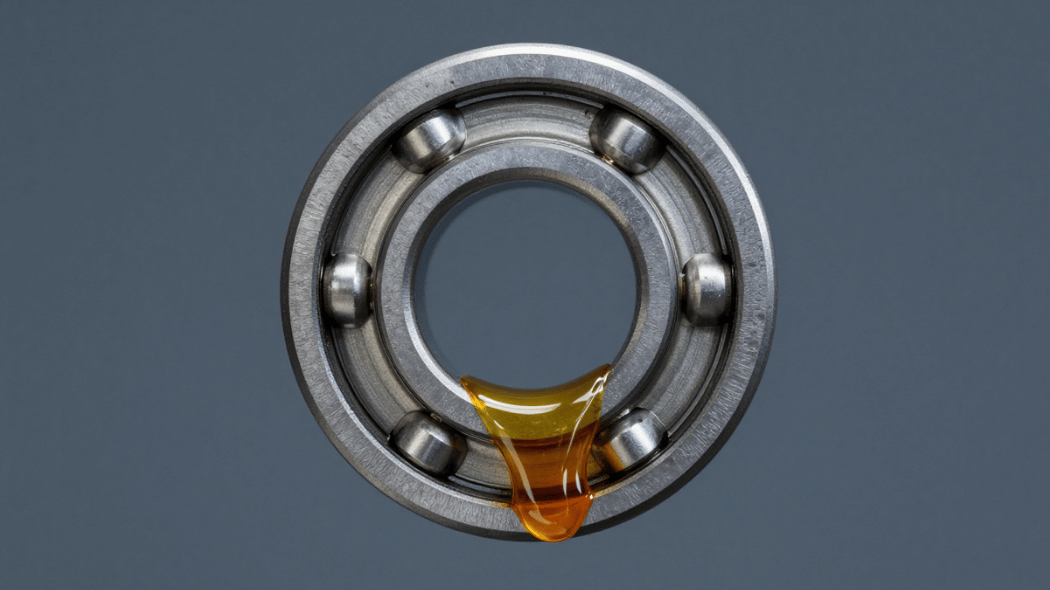
High-temperature grease is widely used in:
These applications require reliable lubrication performance under demanding conditions.
With industrial equipment becoming more intelligent and efficient, lubrication materials require:
Customized lubrication solutions help improve equipment reliability and operational efficiency.
Shenzhen EUBO Advanced Materials focuses on specialty lubricating greases, functional coatings, and industrial adhesives, providing customized material solutions for different industrial applications.
High-performance lubrication materials help reduce friction, improve operational stability, and extend the service life of critical components.
Under high-temperature and heavy-load industrial conditions, advanced lubricating grease plays an essential role in ensuring reliable equipment operation.
With the development of advanced manufacturing technologies, specialized lubrication materials will continue to create value in automation, new energy, automotive, and precision manufacturing industries.