










MESSAGE

In practical equipment operation, component wear is one of the key factors affecting performance and service life.
Many customers find that even after applying grease for lubrication, certain critical parts still experience noticeable wear over time. This situation is quite common, especially under high load or complex working conditions. We have seen similar cases in many real applications.
If not properly addressed, wear can gradually affect operational stability and increase maintenance costs.
From actual experience, wear issues are usually caused by multiple factors rather than a single reason.
One of the main factors is insufficient or unsuitable lubrication. In some conditions, grease may lose effectiveness due to evaporation, degradation, or long-term operation.
Another factor is localized working conditions. Some areas are difficult to re-lubricate, or may experience intermittent dry friction during operation.
Material compatibility can also play a role. When different materials are in contact, lack of proper surface protection may lead to increased friction and wear.
These issues are quite common in real-world applications, although they are often overlooked at the early stage.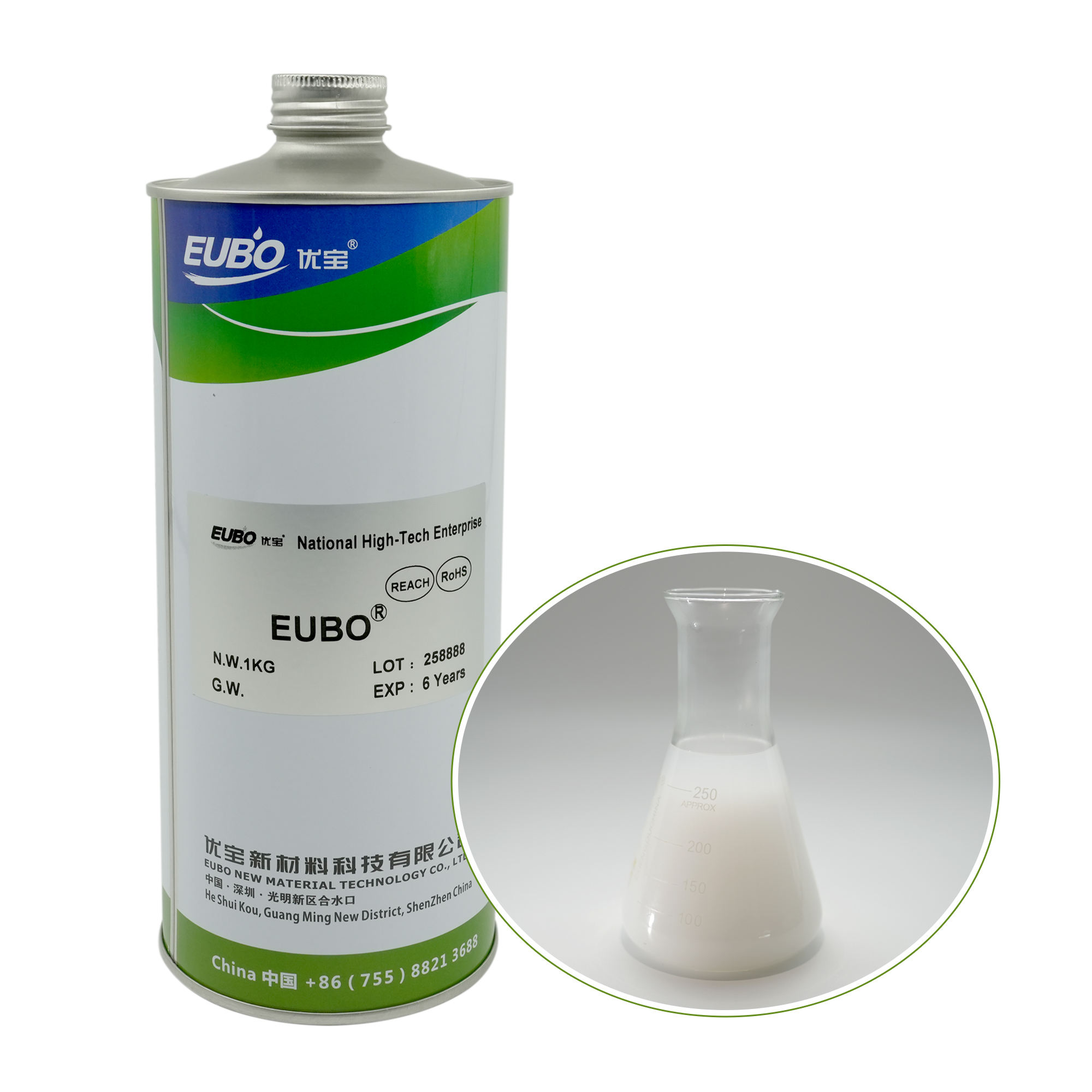
In addition to grease, anti-wear coatings (such as dry film coatings) can be used as an effective supplementary solution.
These coatings form a stable protective layer on the surface, reducing direct contact between materials.
Compared with traditional lubrication, anti-wear coatings offer several advantages:
In many applications where lubrication is limited, coatings can play a critical role.
In practice, more applications are adopting a combined solution of grease and coatings.
Grease is mainly responsible for reducing friction and noise during operation, while coatings provide baseline protection, especially when lubrication becomes less effective.
For example, high-temperature grease, low-volatility grease, or fluorinated grease can be selected for demanding conditions.
At the same time, applying anti-wear coatings on key surfaces can further improve durability and stability.
This combined approach has become increasingly common in precision equipment and high-performance applications.
In some structures, adhesives can also help improve overall performance.
Using structural adhesives or epoxy adhesives can enhance bonding strength and reduce micro-movements between components.
This can indirectly reduce wear and improve long-term stability.
In practice, adhesives are often used as a complementary solution alongside lubrication and coatings.
Depending on working conditions, different material combinations can be applied:
Adjusting materials based on actual conditions usually leads to better performance.
Wear issues in equipment are rarely caused by a single factor.
By combining grease, functional coatings, and adhesives, it is possible to improve both performance and service life from multiple aspects.
For different applications, 优宝新材料 provides integrated solutions including lubrication materials, adhesives, and functional coatings.
In small devices like home appliances or smart equipment, sticky or resistant gear movement is quite common.
This issue can affect both performance and user experience.
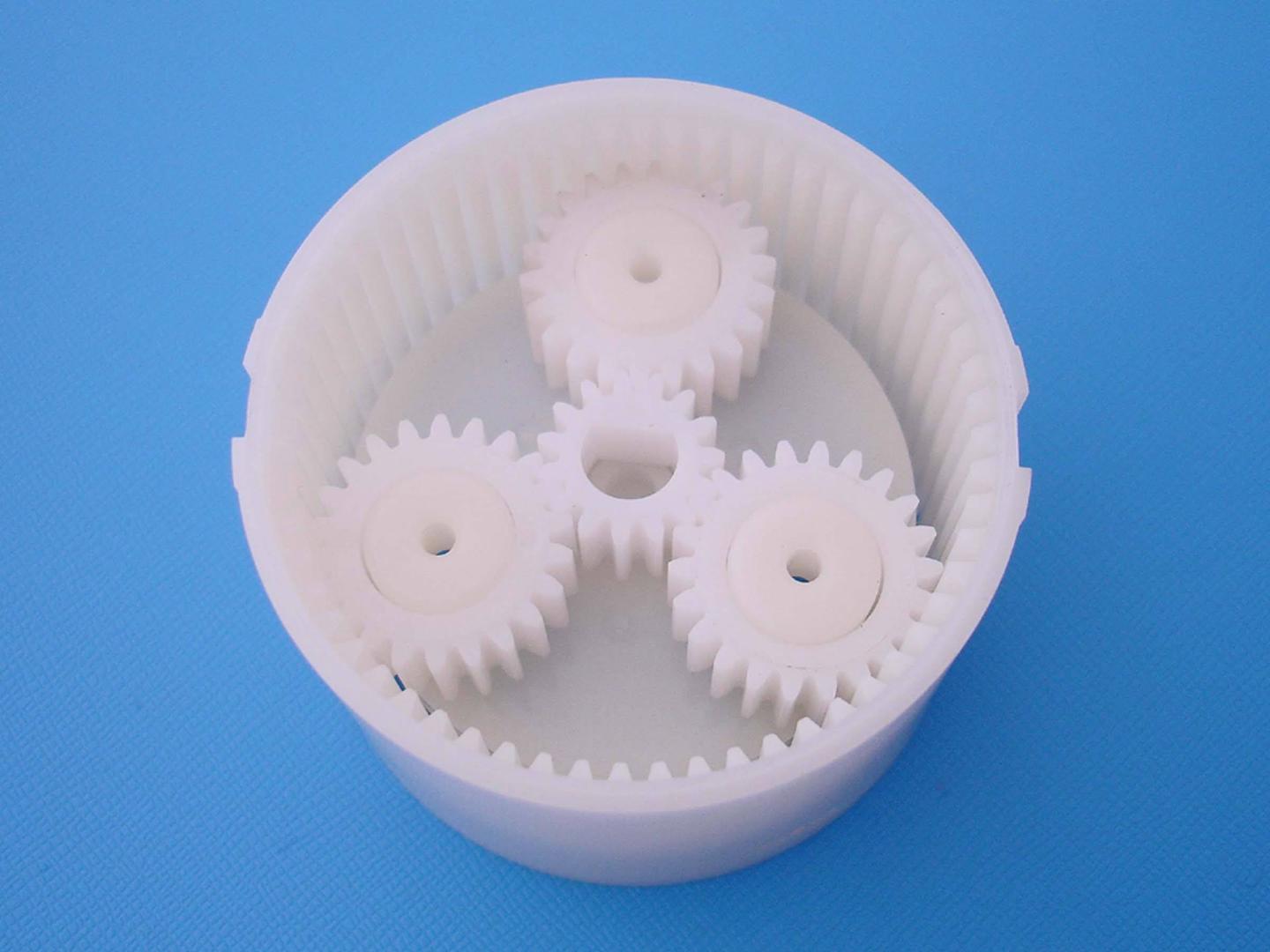
Typical reasons include:
We’ve seen many cases where the issue was resolved simply by adjusting the lubrication.
For plastic gears, it’s important to use grease designed for low friction and material safety.
If the problem already exists, lubrication is usually the first thing to check.
Short bearing life is a frequent issue in many industrial applications.
From what we’ve seen in real cases, the problem is often not the bearing itself, but how it is lubricated.
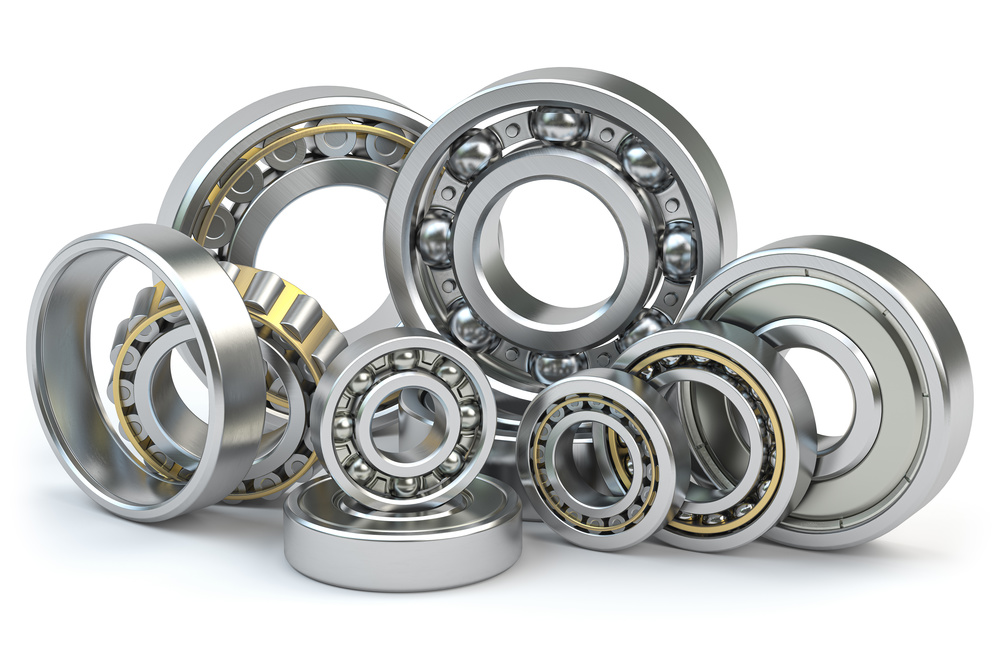
Some common reasons:
In many situations, replacing bearings repeatedly doesn’t solve the root cause.
It’s better to evaluate operating temperature, load, and environment when selecting grease.
A small adjustment in lubrication can sometimes make a big difference.
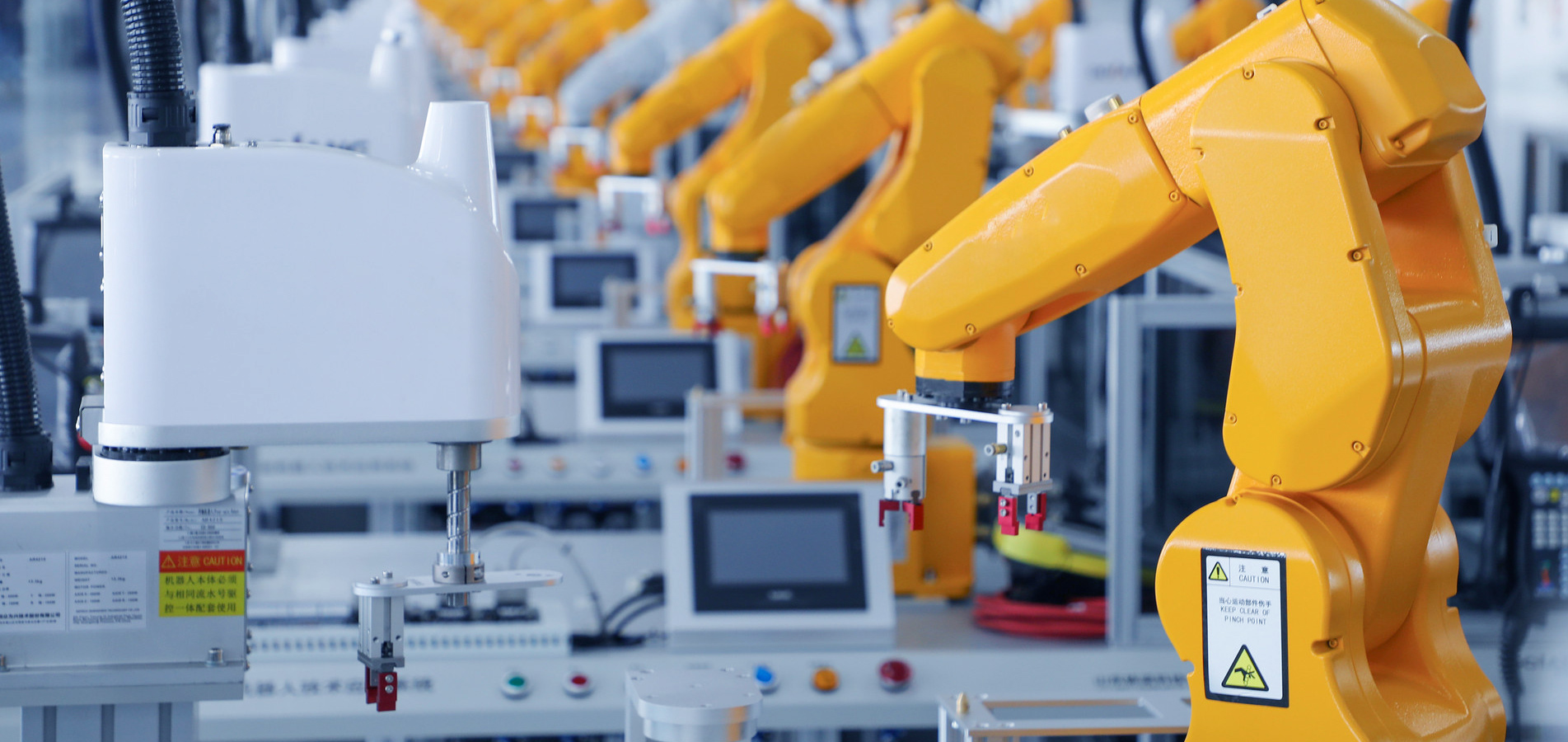
In actual applications, many customers working on robotic systems encounter a common issue: after a period of operation, joints start to produce noise, sometimes with slight vibration.
At first, this is often considered a mechanical problem. But in many cases we’ve seen, lubrication plays a big role.
Typical causes include:

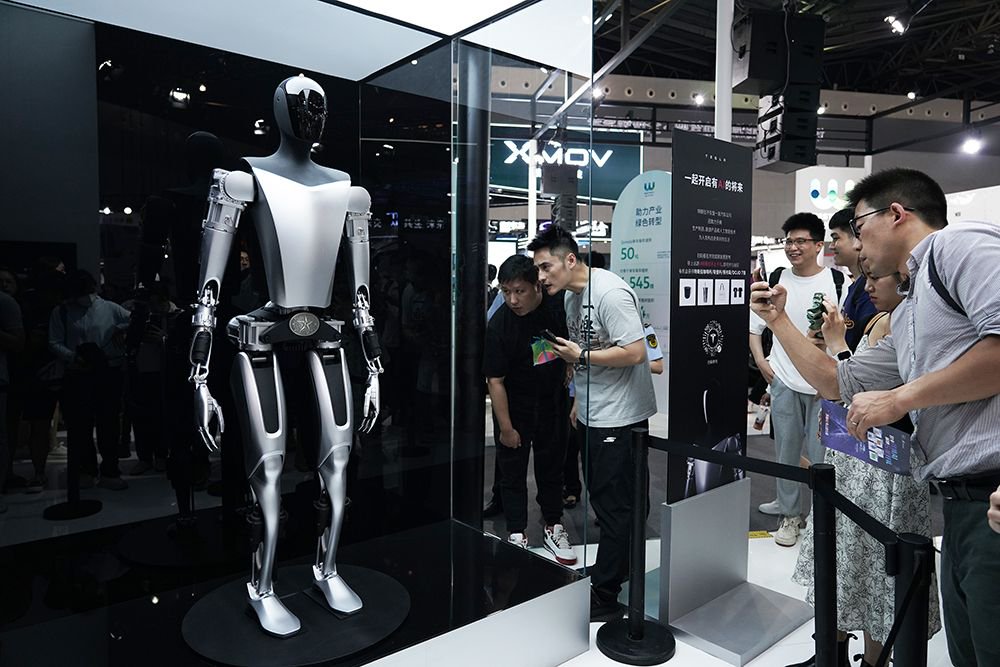
In practice, this kind of issue is not unusual. Many customers overlook lubrication at the early stage.
Choosing a stable, low-volatility grease designed for precision parts usually helps a lot.
If you’re dealing with a similar situation, it’s worth checking the lubrication first.
Manufacturers in automotive electronics and precision components are facing increasing pressure on cost and supply chain stability.
Traditional reliance on Molykote and Klüber is being challenged by high-performance local alternatives.
EUBO specialty greases offer comparable performance with faster response and better cost efficiency.
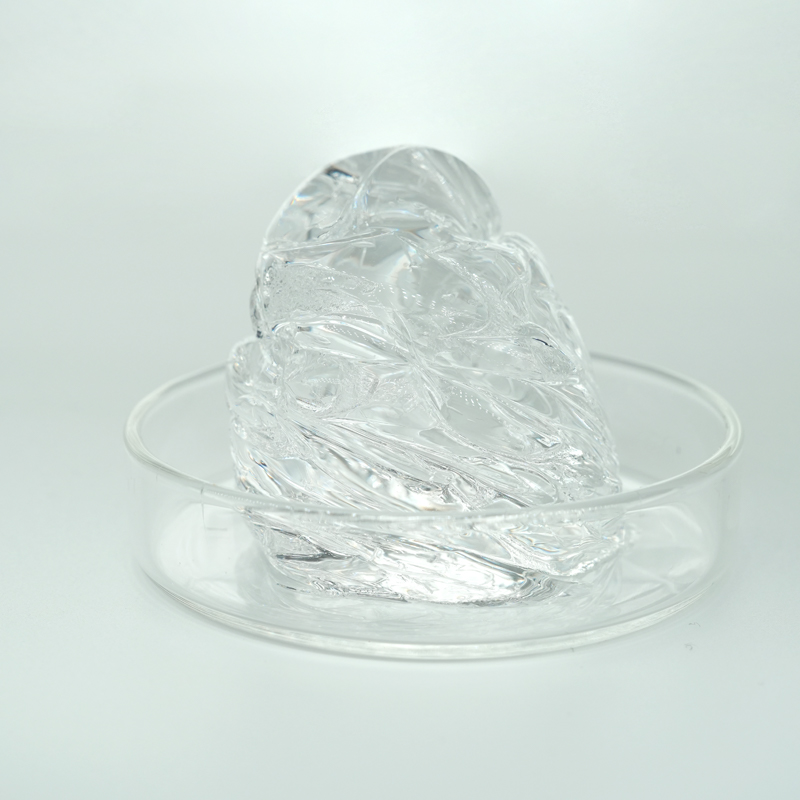
Key metrics:
Conclusion: Meets automotive and precision application requirements
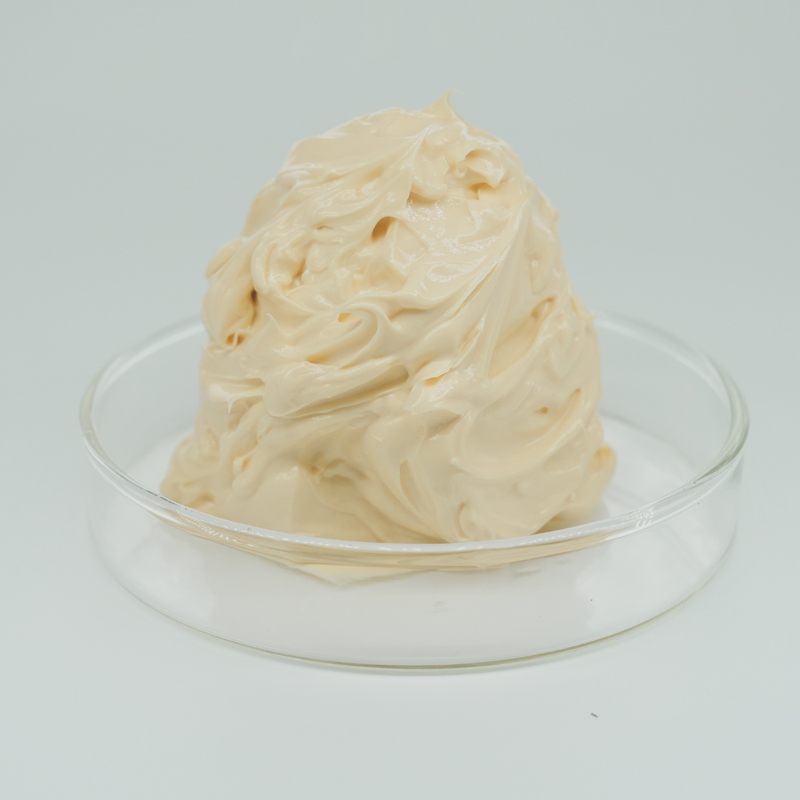
Noise, Vibration, and Harshness (NVH) are critical factors in the user experience of smart home appliances and automotive interiors. Plastic gears (made of POM, Nylon, or PC) are widely used for their lightweight and cost-effective properties, but they often face challenges such as friction noise and material stress cracking.
Why General Lubricants Fail? Many standard mineral-oil-based greases are incompatible with plastics, leading to "stress cracking" or swelling of the gears. Selecting the right Synthetic Plastic Gear Grease is essential for long-term performance.
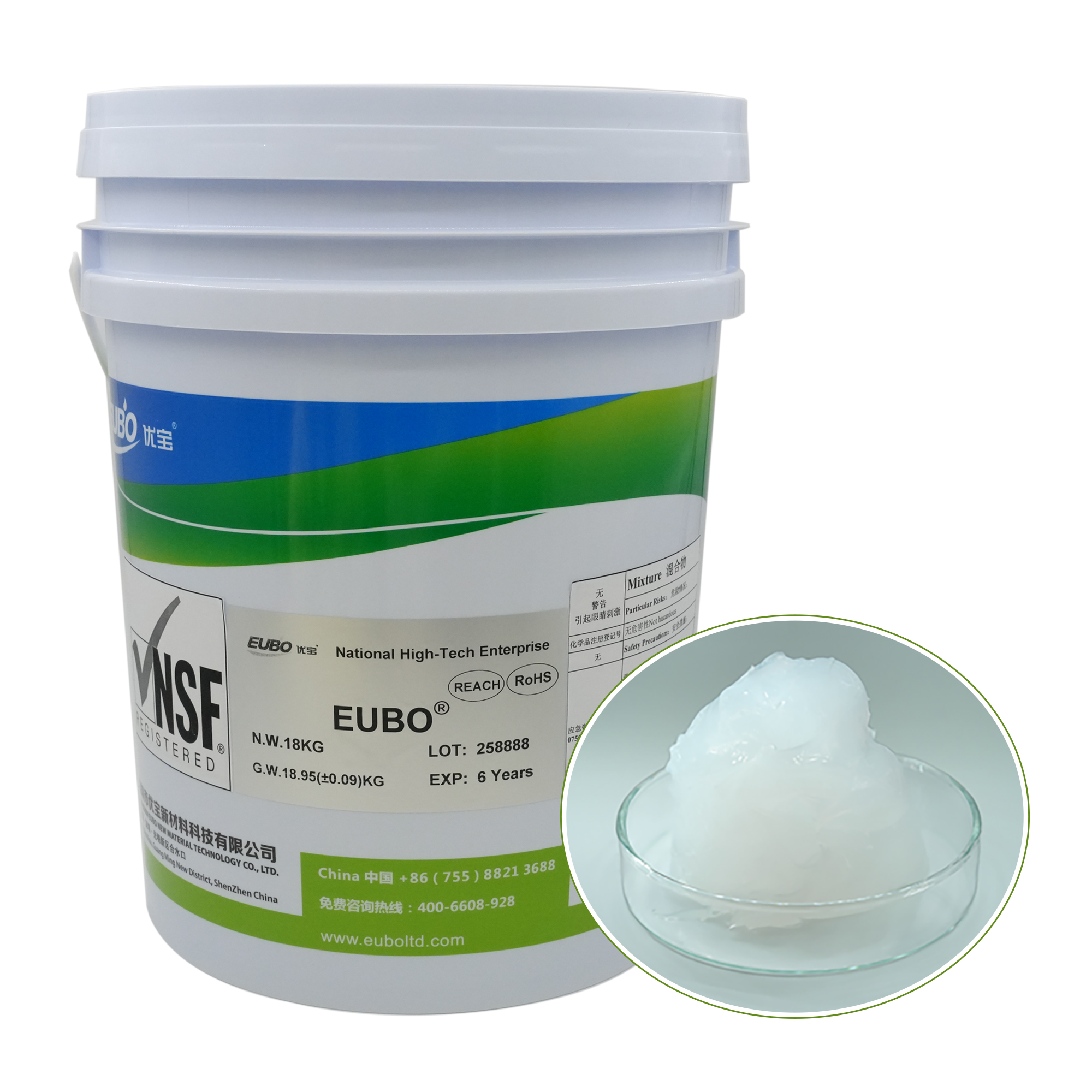
Why Choose EUBO Specialty Lubricants?
At EUBO, we have developed a series of high-performance greases specifically engineered for micro-motors and plastic gearboxes:
Excellent Material Compatibility: Our synthetic base oils are tested against various plastic substrates to ensure zero corrosion or degradation.
Superior Damping & Noise Reduction: EUBO grease forms a stable lubricating film that cushions gear impacts, significantly reducing mechanical noise.
Wide Temperature Range: Our formulas remain stable from -40°C to +150°C, ensuring smooth operation in extreme climates.
Long-Life Performance: High oxidation stability prevents the grease from drying out or leaking over time.
Applications: From robot vacuum cleaners and smart locks to automotive actuator motors, EUBO provides the silent power behind smooth motion.
Unlock the potential of your mechanical designs with EUBO lubrication technology.