








MESSAGE
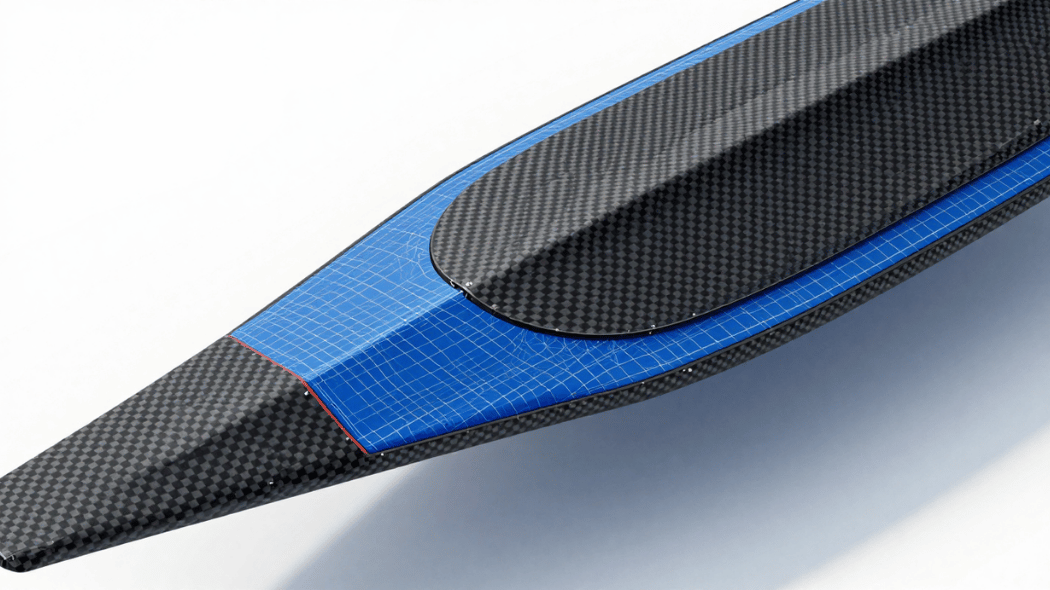
In bonding tests on a certain eVTOL wing spar cap, replacing rivets with EUBO structural adhesive reduced connection weight by 42% per joint, while fatigue life increased from 100,000 cycles for riveting to over 500,000 cycles.
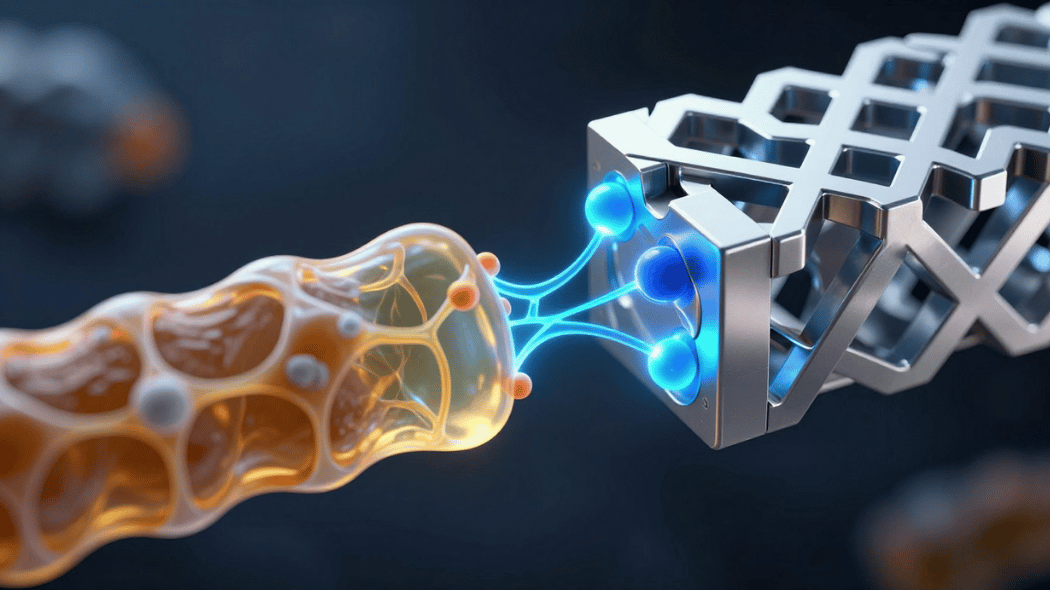
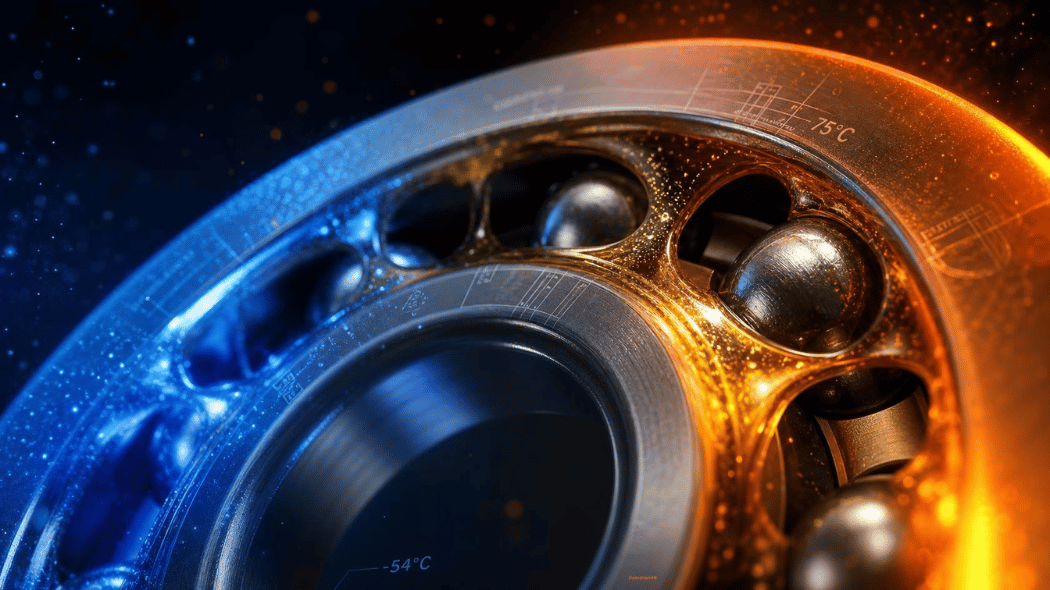
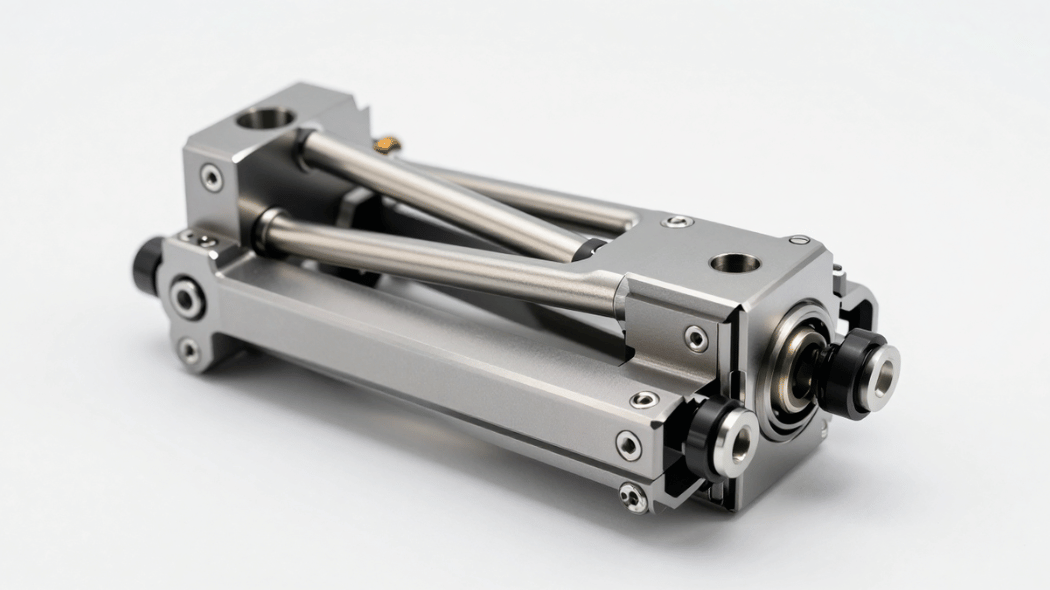
With the rapid growth of electric vehicles and energy storage systems, battery manufacturers require higher levels of safety, reliability, and durability.
In battery manufacturing, adhesives provide not only structural bonding but also sealing, insulation, protection, and stress absorption functions. They have become essential materials for improving long-term battery reliability.
Compared with traditional mechanical fastening methods, advanced adhesives offer lightweight design, improved flexibility, and enhanced reliability.
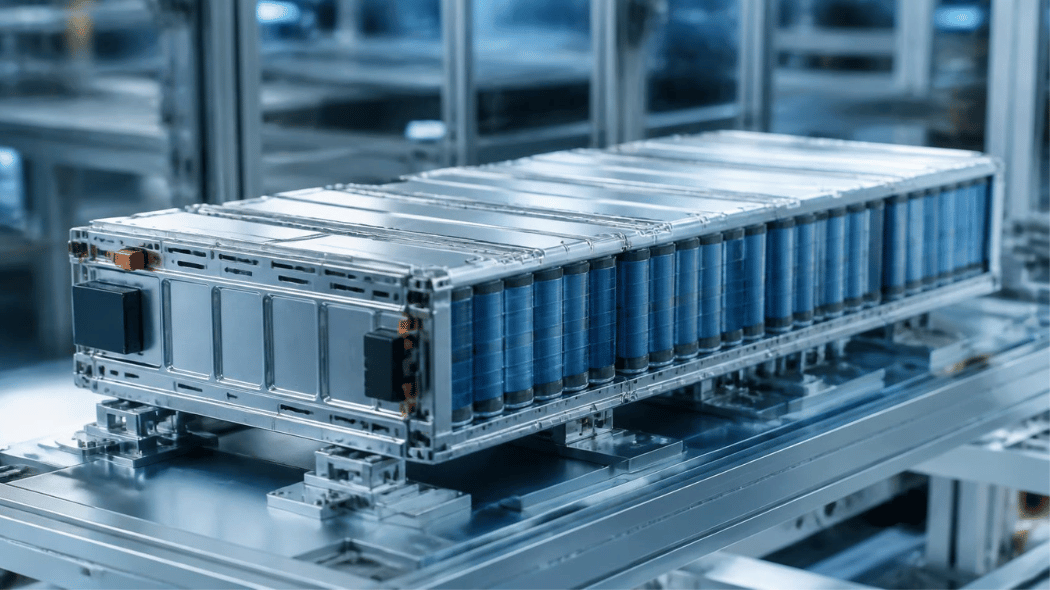
Battery systems must withstand:
Therefore, battery materials require excellent:
Adhesives improve mechanical stability between battery components.
They help protect internal components from moisture and contamination.
Functional adhesives improve electrical safety.
Adhesive layers absorb mechanical stress and improve durability.
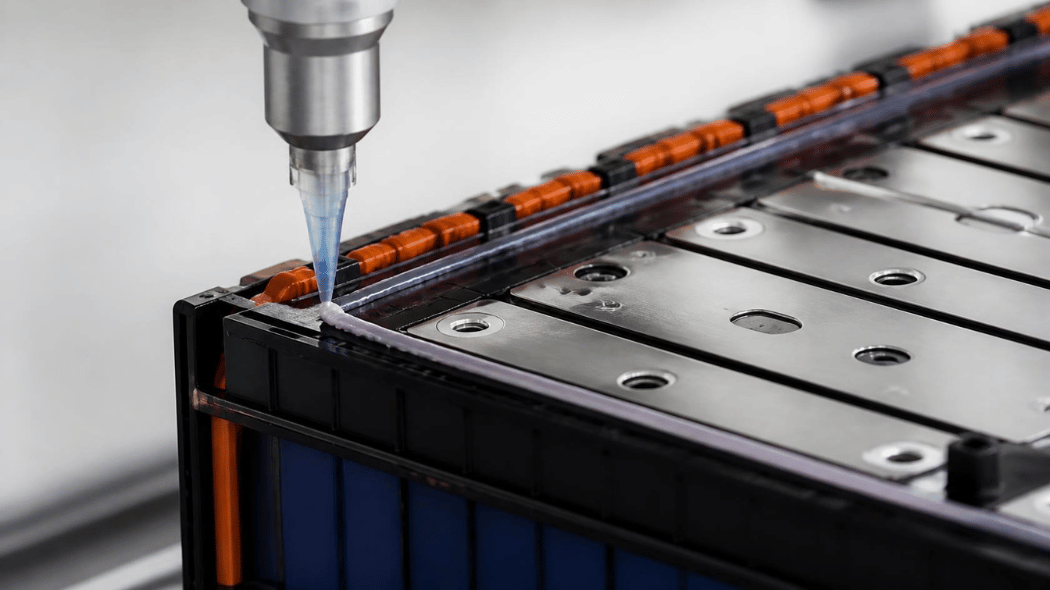
Electronic adhesives are widely used in:
High-performance battery adhesives require:
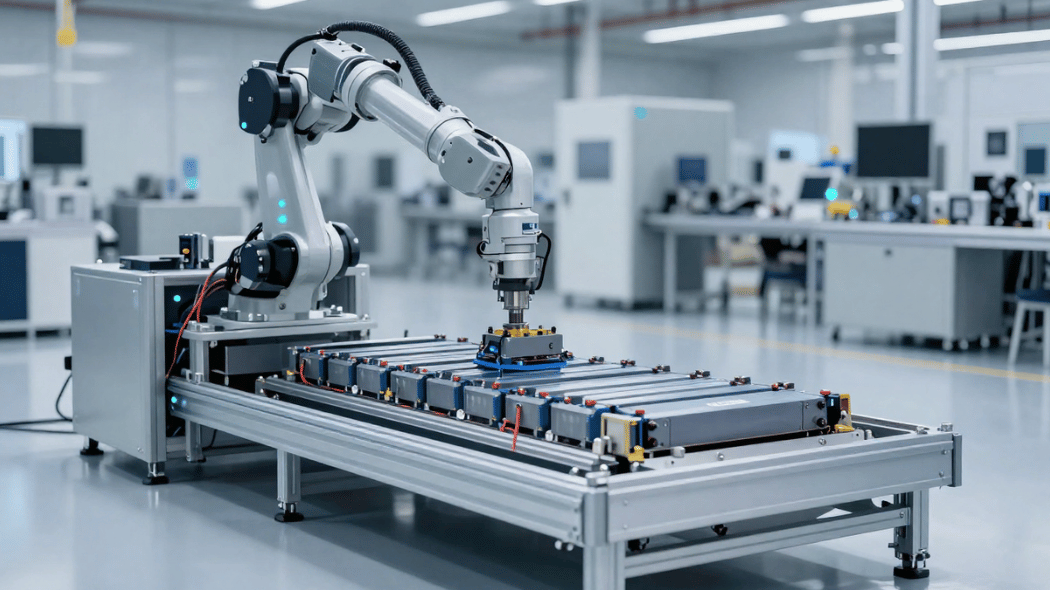
As electric vehicles and energy storage technologies continue to develop, advanced adhesives will play an increasingly important role in battery manufacturing.
Shenzhen EUBO Advanced Materials provides electronic adhesives, specialty lubricating greases, and functional coating solutions for new energy, electronics manufacturing, and advanced industrial applications.
With the rapid development of electronic products toward miniaturization and higher performance, electronic components are becoming increasingly integrated, resulting in greater heat generation during operation.
Thermal management has become a critical factor affecting product reliability and service life. Traditional cooling methods may not fully meet the requirements of highly integrated electronic applications. Thermally conductive adhesives provide an effective solution by combining heat transfer capability with strong bonding performance.
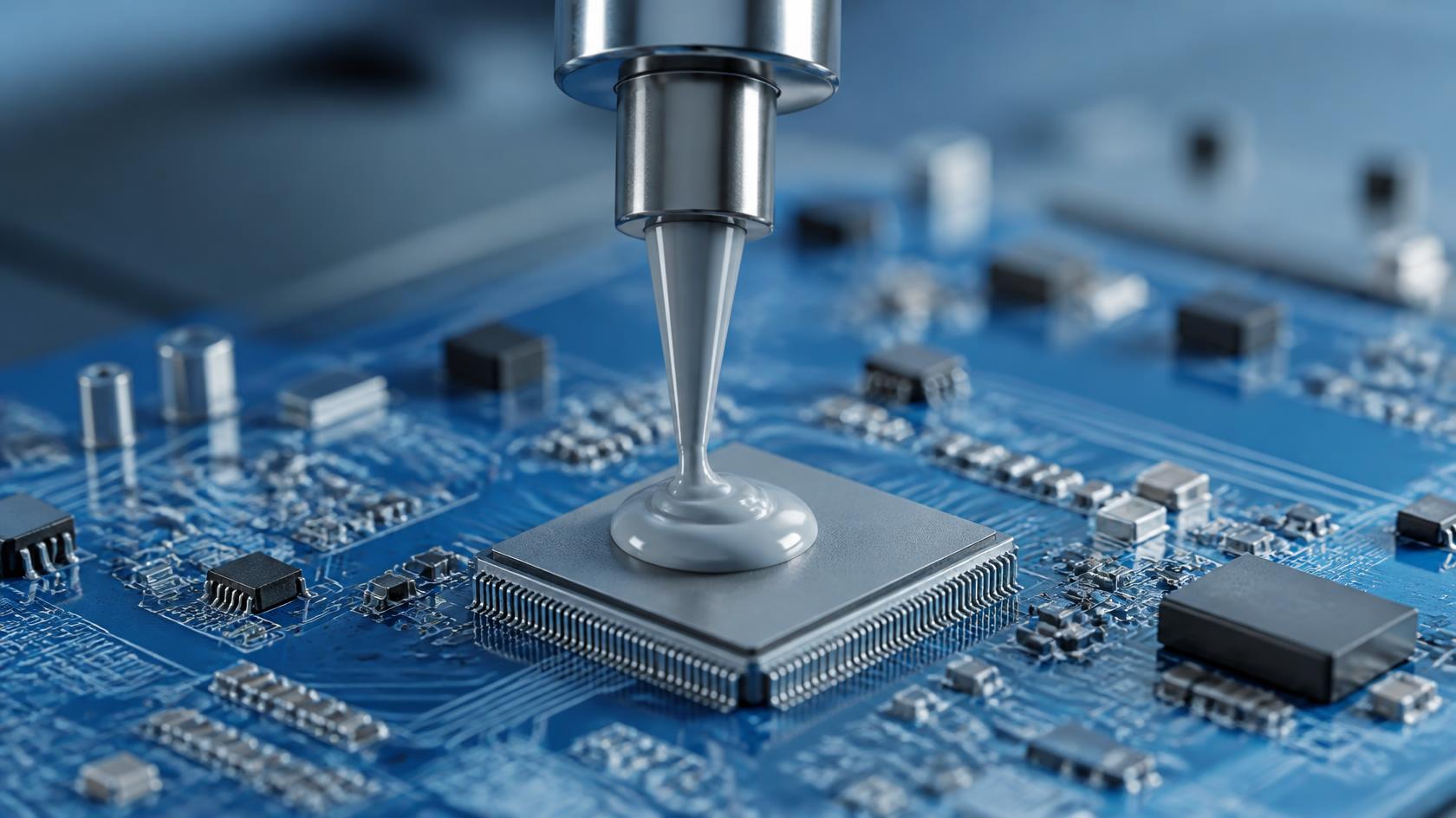 1. Thermal Management Challenges in Electronics
Modern electronic devices typically feature:
Insufficient heat dissipation may result in:
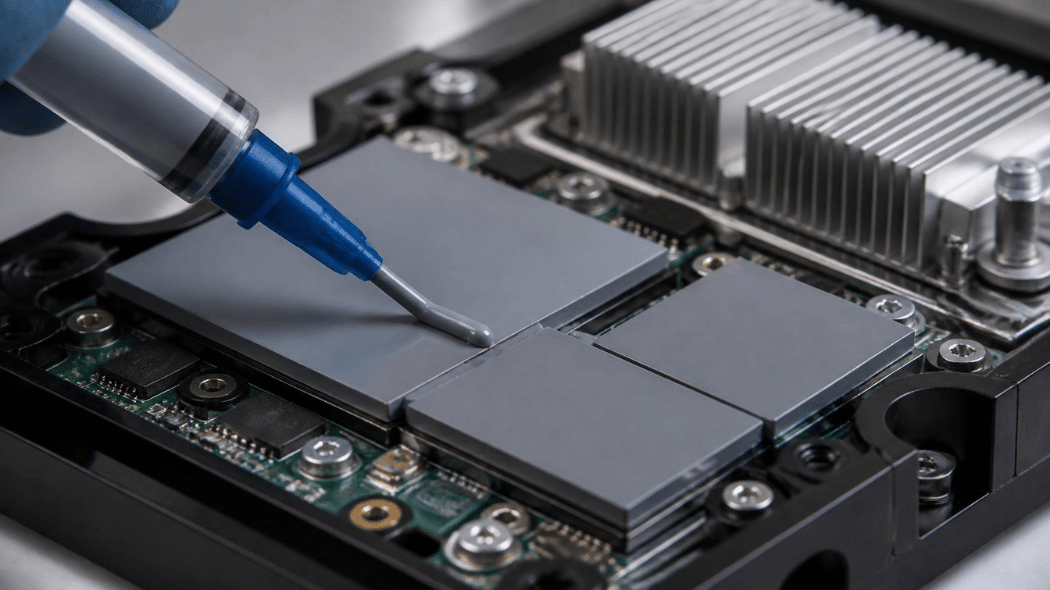
Thermally conductive adhesives provide both bonding and heat transfer functions.
They fill microscopic gaps between components and heat dissipation structures, reducing thermal resistance.
They provide reliable fixation while reducing space requirements.
Certain formulations offer resistance to temperature changes, moisture, and vibration.
 3. Key Performance Requirements
Thermally conductive adhesives typically require:
Thermally conductive adhesives are widely used in:
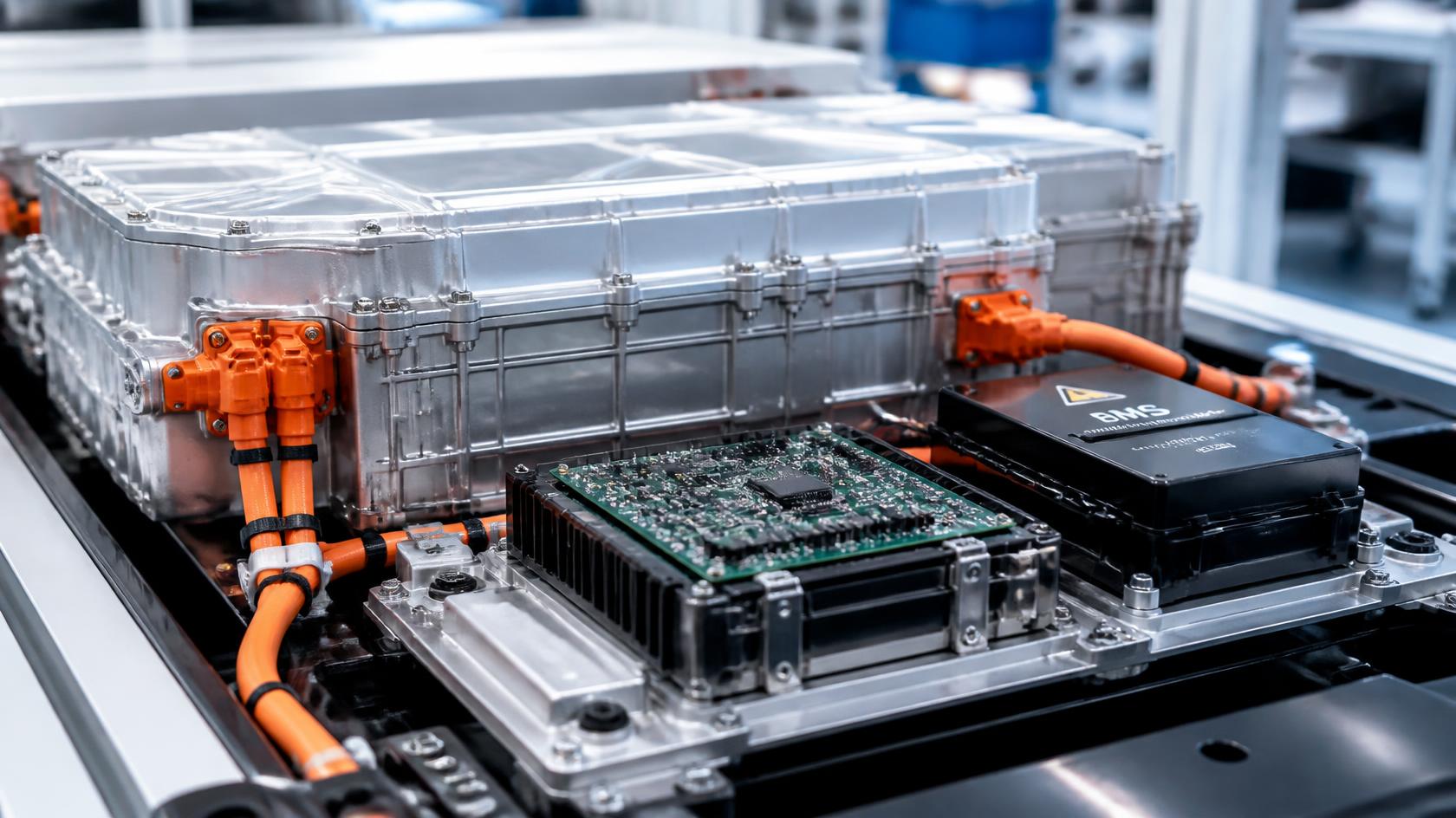 5. Integrated Material Solutions
As electronic products become more advanced, integrated material solutions are increasingly important.
The combination of:
helps improve product reliability and performance.
Thermally conductive adhesives play an important role in modern electronic manufacturing by improving thermal management and product reliability.
Shenzhen EUBO Advanced Materials provides electronic adhesives, specialty lubricating greases, and functional coating solutions for electronics manufacturing, new energy applications, and advanced industrial industries.
With the rapid growth of the new energy vehicle (NEV) industry, key components such as battery systems, motor controllers, and intelligent electronic modules require increasingly reliable material solutions. Electronic adhesives play a vital role in bonding, sealing, thermal management, insulation, and protection.
Compared with conventional fastening methods, electronic adhesives provide greater design flexibility while improving product reliability and manufacturing efficiency.
Electronic adhesives are commonly used for:
Different applications require different adhesive properties.
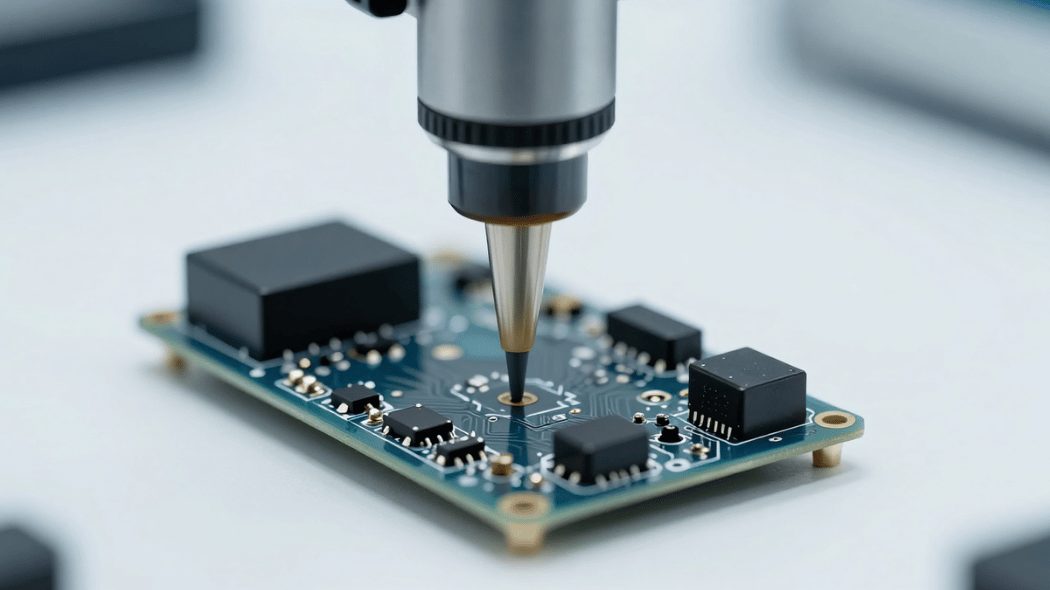
Electronic materials in new energy vehicles must withstand:
These demanding conditions require advanced adhesive technologies.
Electronic adhesives are widely used in:
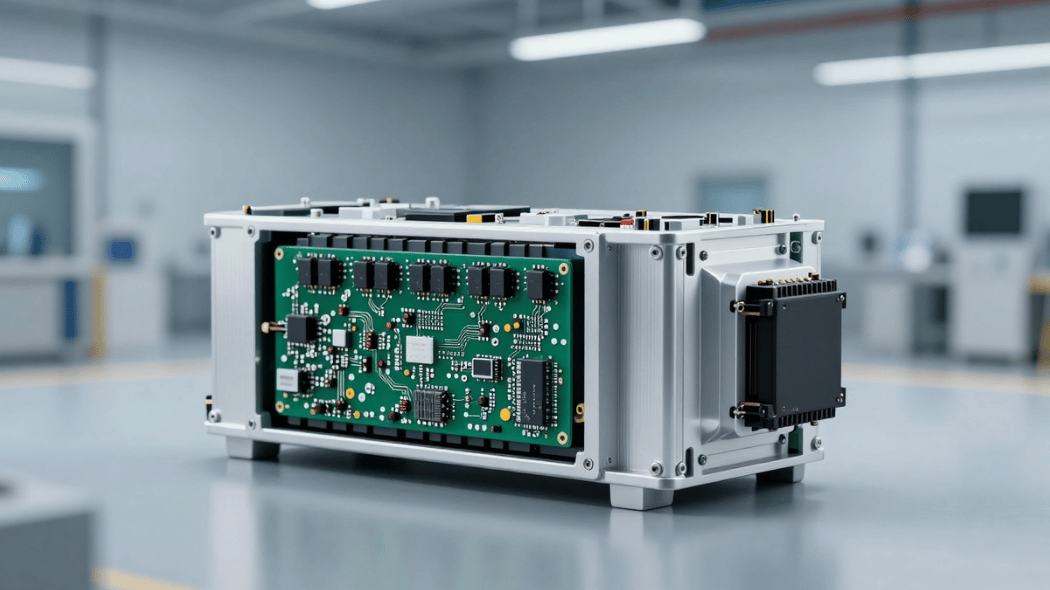
When selecting electronic adhesives, engineers should consider:
Electronic adhesives have become an essential material in modern new energy vehicle electronics. As automotive technologies continue to evolve, advanced adhesive solutions will play an increasingly important role in improving product reliability and long-term performance.
Shenzhen EUBO Advanced Materials provides electronic adhesives, specialty lubricating greases, and functional coating solutions for new energy vehicles, electronics manufacturing, and advanced industrial applications.
Thermal failure and packaging cracking are the two core pain points shortening IGBT module lifespan.

Measured Data: In a prototype 320kW PCS from a leading energy storage company, replacing the original imported thermal pad with D605 reduced the maximum IGBT junction temperature from 142℃ to 118℃, and power cycling lifetime (ΔTj=80K) increased from 30,000 to over 80,000 cycles.
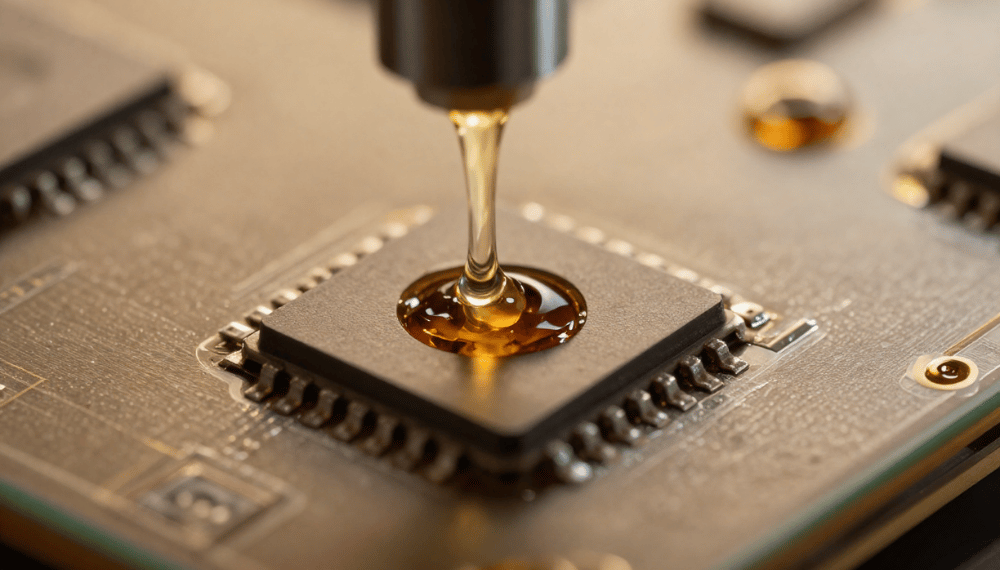
Reliability Verification: In an automotive-grade IGBT module, using UF-500 underfill increased power cycling lifetime (ΔTj=100K) from the original design of 20,000 to 50,000 cycles, meeting AEC-Q101 Grade 0 standards.
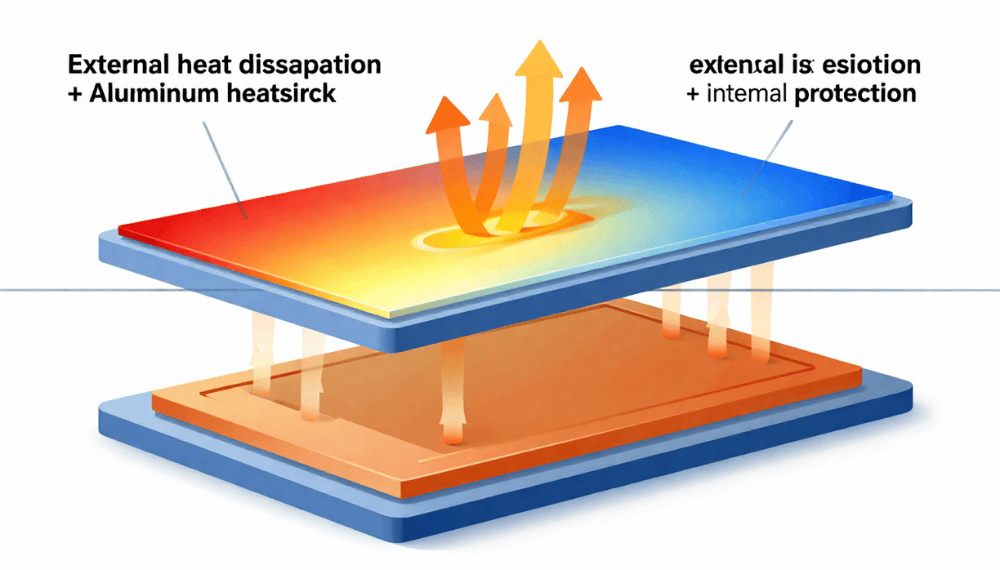
About Shenzhen EUBO New Materials Co., Ltd.
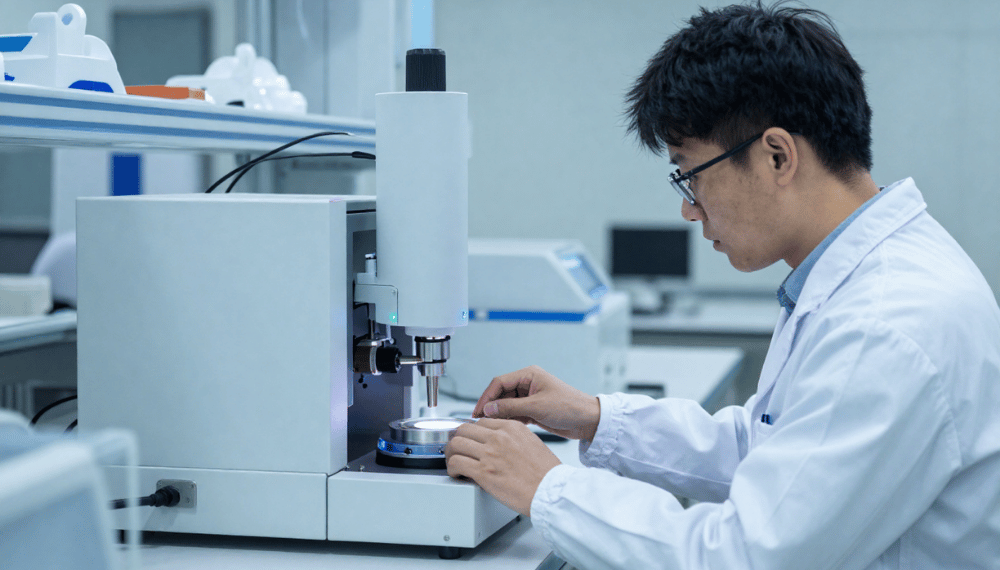
As industrial robotics continues to advance toward higher precision, greater speed, and longer service life, the performance requirements for key mechanical components are becoming increasingly demanding. Besides high-quality lubricants and adhesives, functional coatings have become an important solution for improving durability, reducing wear, and enhancing overall equipment reliability.
From robotic joints and transmission components to precision mechanical parts, surface engineering technologies are playing a growing role in modern robotic manufacturing.
Robot components operate under continuous motion, repeated friction, and varying environmental conditions. Over time, these operating conditions may lead to surface wear, corrosion, increased friction, and reduced positioning accuracy.
Functional coatings create a protective layer on the surface of components, helping improve durability without changing the mechanical design.
Typical benefits include:
These advantages make functional coatings an important part of advanced robotic material solutions.
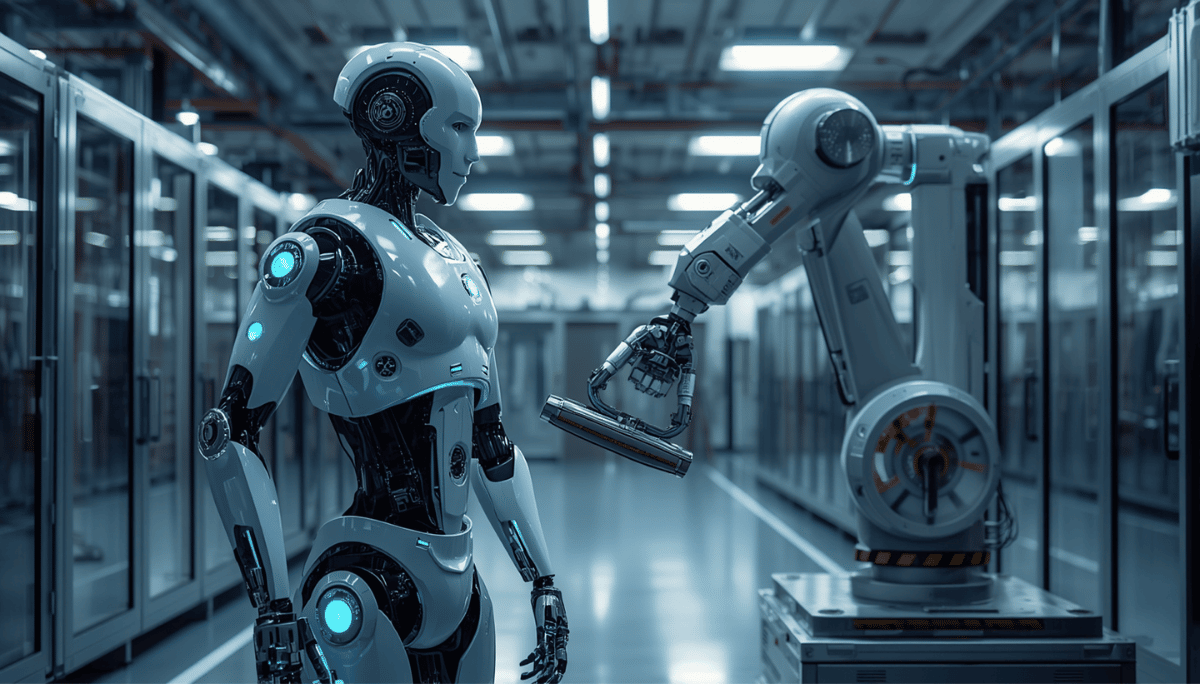
Functional coatings are widely used in various robotic components, including:
Joint assemblies experience continuous movement and repeated mechanical loading. Surface coatings help reduce wear and improve long-term operational stability.
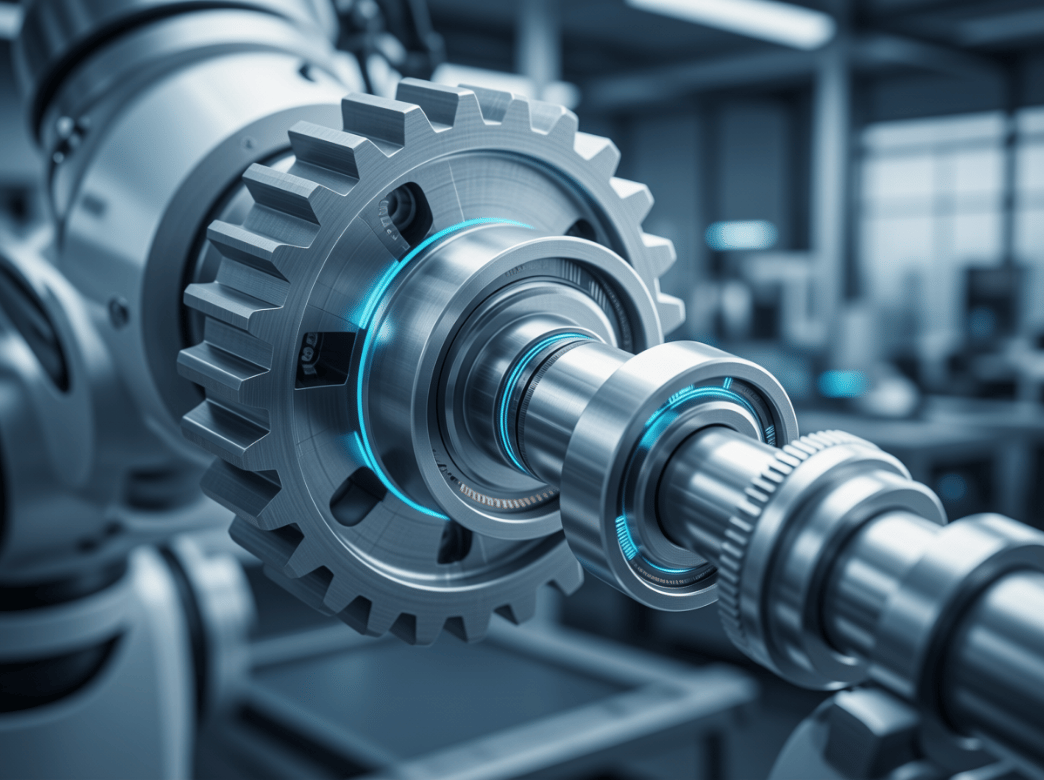
Components such as gears, shafts, bearings, and precision transmission mechanisms benefit from coatings that reduce friction while improving wear resistance.
Guide rails and linear motion assemblies require smooth movement and high positioning accuracy. Functional coatings help maintain consistent performance over extended operating periods.
For components operating under heavy loads or continuous cycles, protective coatings provide additional durability and reduce surface fatigue.
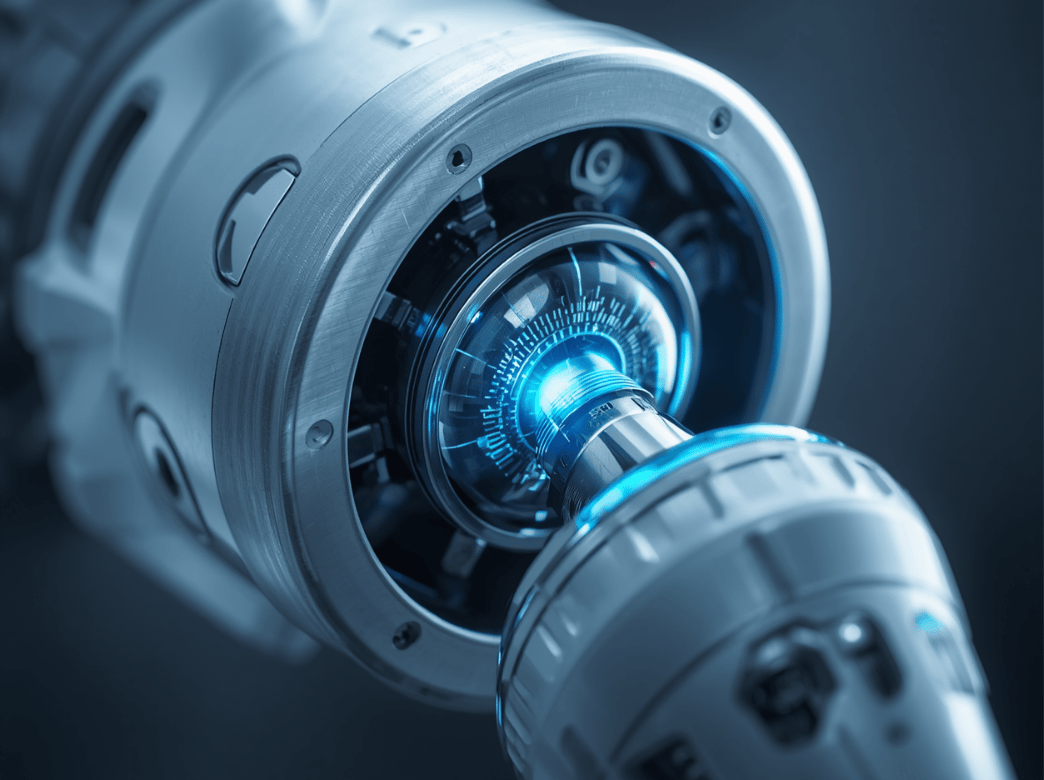
Unlike conventional surface finishing processes, functional coatings are designed to provide multiple performance improvements simultaneously.
Compared with traditional treatments, advanced coatings can offer:
These characteristics are especially valuable for precision robotic equipment operating in automated production environments.
Functional coatings perform even better when combined with other engineered materials.
For example:
Together, these materials contribute to improved system efficiency, lower maintenance costs, and extended equipment life.
Selecting an appropriate coating depends on several application factors, including:
Proper material selection helps maximize equipment performance while reducing long-term operating costs.
As robotics technology continues to evolve, functional coatings are becoming increasingly important for improving wear resistance, extending service life, and enhancing operational reliability.
When combined with high-performance lubricants and electronic adhesives, advanced coating technologies provide a comprehensive material solution for modern robotic systems.
Shenzhen EUBO Advanced Materials offers industrial lubricants, functional coatings, and adhesive solutions for robotics, intelligent manufacturing, precision machinery, and advanced industrial applications, helping customers improve equipment performance and long-term reliability.