






MESSAGE
In practical equipment operation, component wear is one of the key factors affecting performance and service life.
Many customers find that even after applying grease for lubrication, certain critical parts still experience noticeable wear over time. This situation is quite common, especially under high load or complex working conditions. We have seen similar cases in many real applications.
If not properly addressed, wear can gradually affect operational stability and increase maintenance costs.
From actual experience, wear issues are usually caused by multiple factors rather than a single reason.
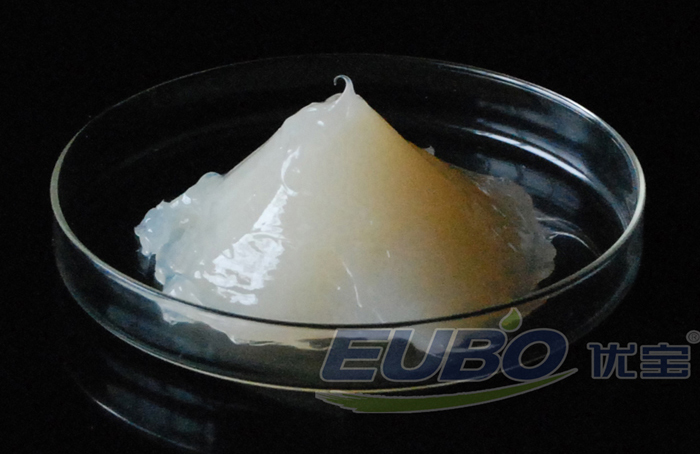
One of the main factors is insufficient or unsuitable lubrication. In some conditions, grease may lose effectiveness due to evaporation, degradation, or long-term operation.
Another factor is localized working conditions. Some areas are difficult to re-lubricate, or may experience intermittent dry friction during operation.
Material compatibility can also play a role. When different materials are in contact, lack of proper surface protection may lead to increased friction and wear.
These issues are quite common in real-world applications, although they are often overlooked at the early stage.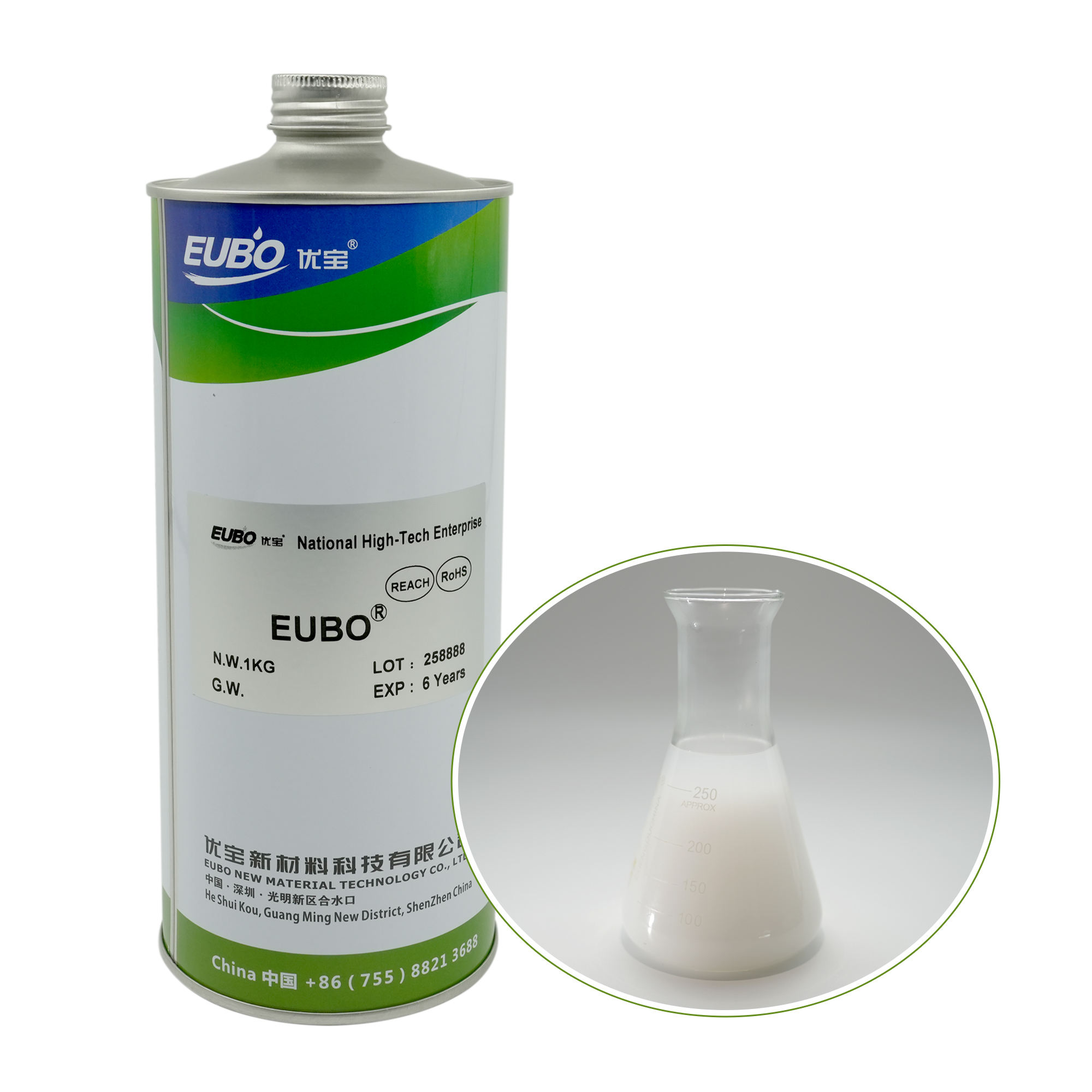
In addition to grease, anti-wear coatings (such as dry film coatings) can be used as an effective supplementary solution.
These coatings form a stable protective layer on the surface, reducing direct contact between materials.
Compared with traditional lubrication, anti-wear coatings offer several advantages:
In many applications where lubrication is limited, coatings can play a critical role.
In practice, more applications are adopting a combined solution of grease and coatings.
Grease is mainly responsible for reducing friction and noise during operation, while coatings provide baseline protection, especially when lubrication becomes less effective.
For example, high-temperature grease, low-volatility grease, or fluorinated grease can be selected for demanding conditions.
At the same time, applying anti-wear coatings on key surfaces can further improve durability and stability.
This combined approach has become increasingly common in precision equipment and high-performance applications.
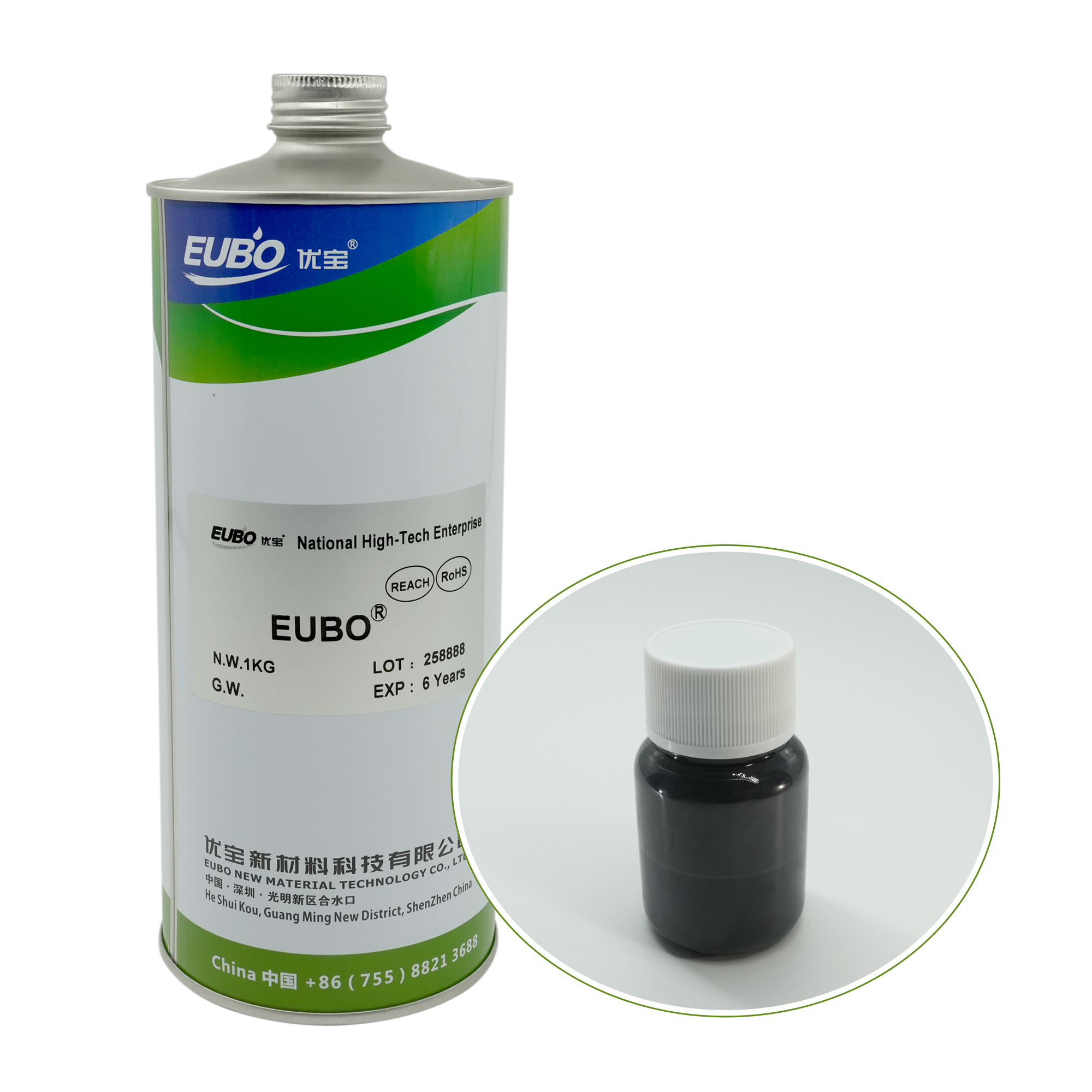
In some structures, adhesives can also help improve overall performance.
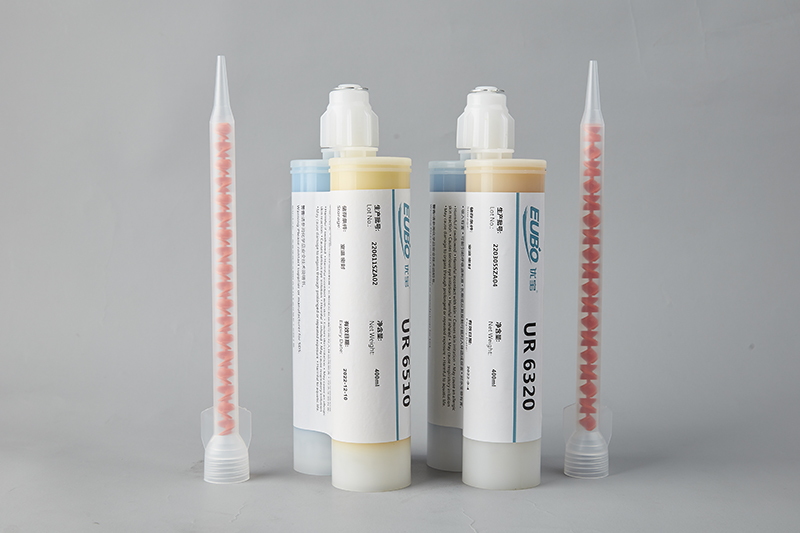
Using structural adhesives or epoxy adhesives can enhance bonding strength and reduce micro-movements between components.
This can indirectly reduce wear and improve long-term stability.
In practice, adhesives are often used as a complementary solution alongside lubrication and coatings.
Depending on working conditions, different material combinations can be applied:
Adjusting materials based on actual conditions usually leads to better performance.
Wear issues in equipment are rarely caused by a single factor.
By combining grease, functional coatings, and adhesives, it is possible to improve both performance and service life from multiple aspects.
For different applications, 优宝新材料 provides integrated solutions including lubrication materials, adhesives, and functional coatings.