









MESSAGE

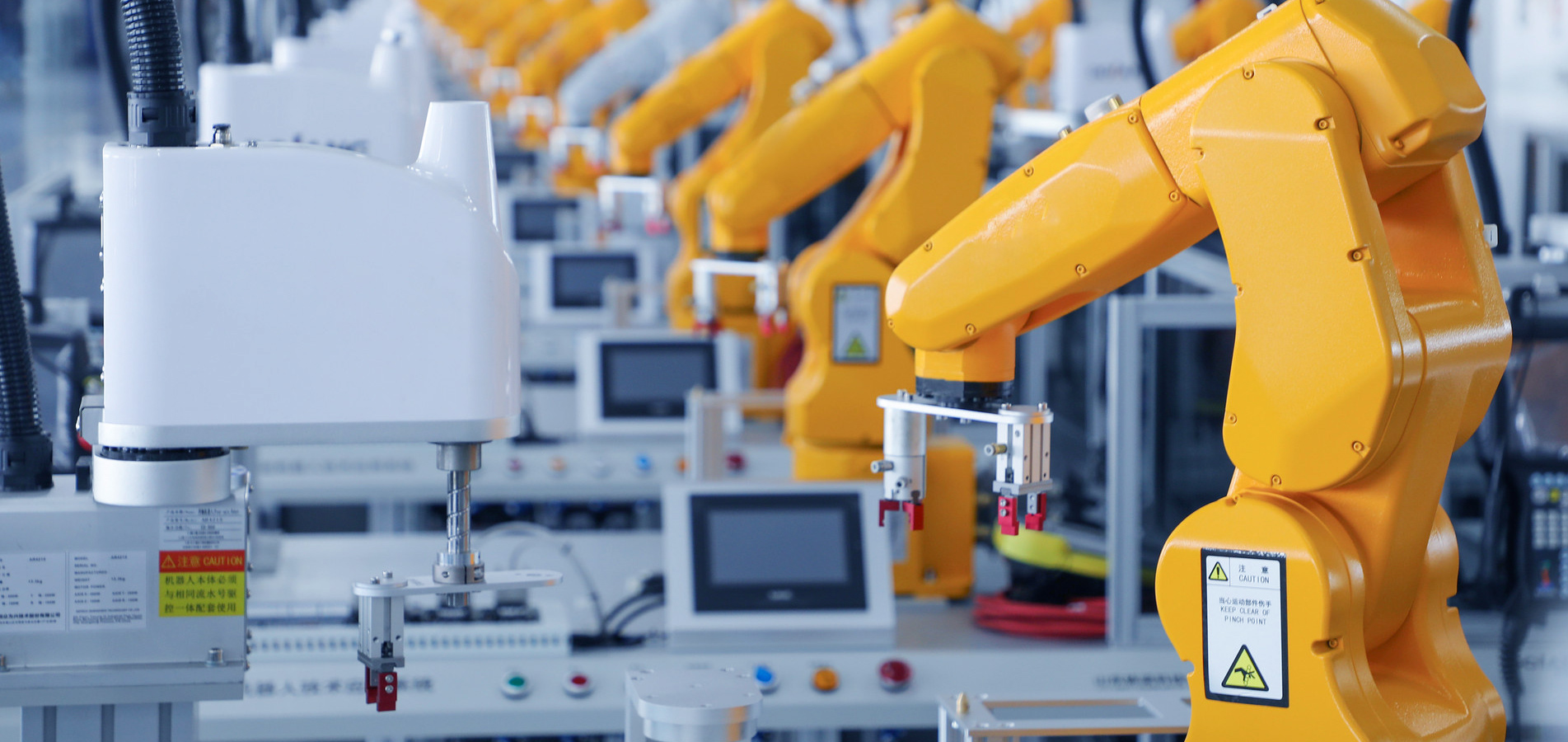
As the robotics industry continues to evolve, electronic systems have become increasingly sophisticated. Modern industrial robots integrate servo motors, controllers, sensors, PCB assemblies, communication modules, and precision electronic components to achieve high-speed, high-precision operation.
To ensure long-term reliability under demanding working conditions, electronic adhesives have become an essential material in robotic manufacturing. Beyond simple bonding, these materials provide structural reinforcement, environmental protection, thermal management, and electrical insulation, helping improve the overall performance and service life of robotic systems.
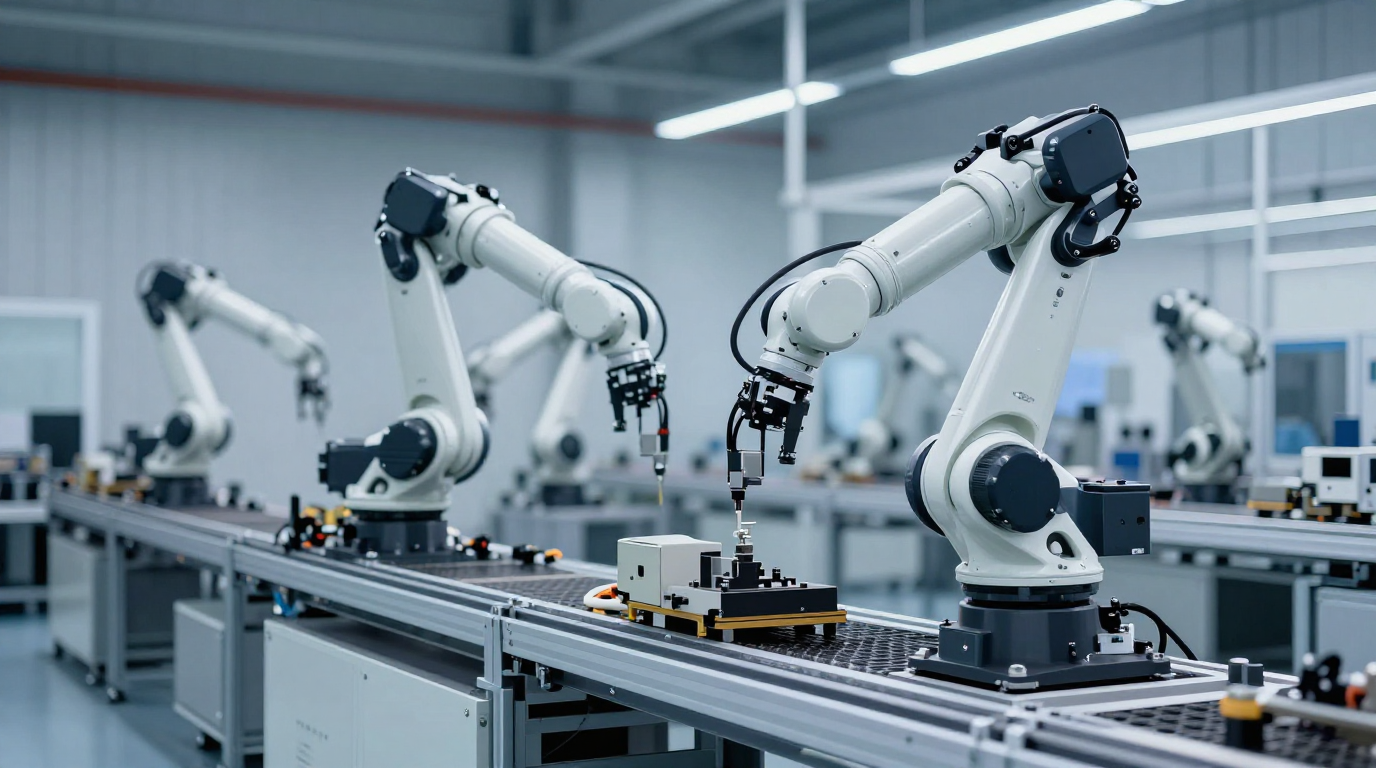
Robots operate continuously in environments involving vibration, temperature fluctuations, humidity, and mechanical stress. Without appropriate protection, electronic components may suffer from loosening, contamination, moisture ingress, or insulation degradation.
Electronic adhesives help address these challenges by providing secure bonding and long-term protection for sensitive electronic assemblies.
Typical applications include:
As robots become more compact and intelligent, the demand for high-performance electronic adhesives continues to increase.
Different robotic applications require different adhesive technologies. Selecting suitable materials according to operating conditions is essential for ensuring long-term reliability.
UV-curing adhesives provide rapid curing and high production efficiency, making them ideal for automated manufacturing processes and precision electronic assembly.
Epoxy adhesives offer excellent bonding strength, chemical resistance, and long-term durability. They are widely used for structural bonding and electronic packaging applications.
As electronic integration increases, heat management becomes increasingly important. Thermal conductive adhesives efficiently transfer heat away from electronic components, improving system stability and extending component life.
Potting materials encapsulate electronic modules to protect them against moisture, dust, vibration, and harsh operating environments, making them suitable for controllers, power modules, and sensitive electronic assemblies.
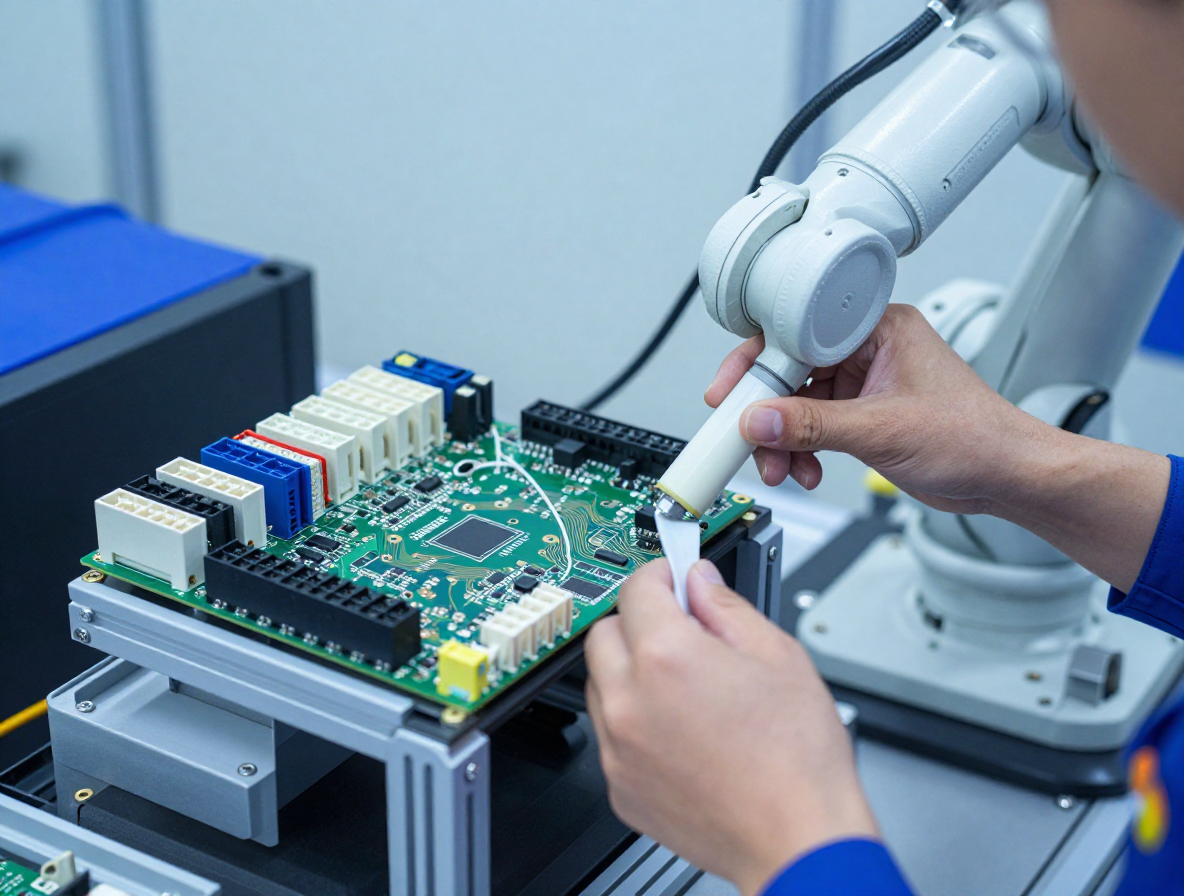
Choosing an electronic adhesive involves more than evaluating bonding strength. Engineers should consider several critical performance factors:
Selecting materials based on specific application requirements helps maximize product performance and reliability.
Electronic adhesives represent only one part of a complete material solution for robotic equipment.
In practical applications:
By combining these advanced materials, manufacturers can improve equipment reliability, operational stability, and long-term performance.
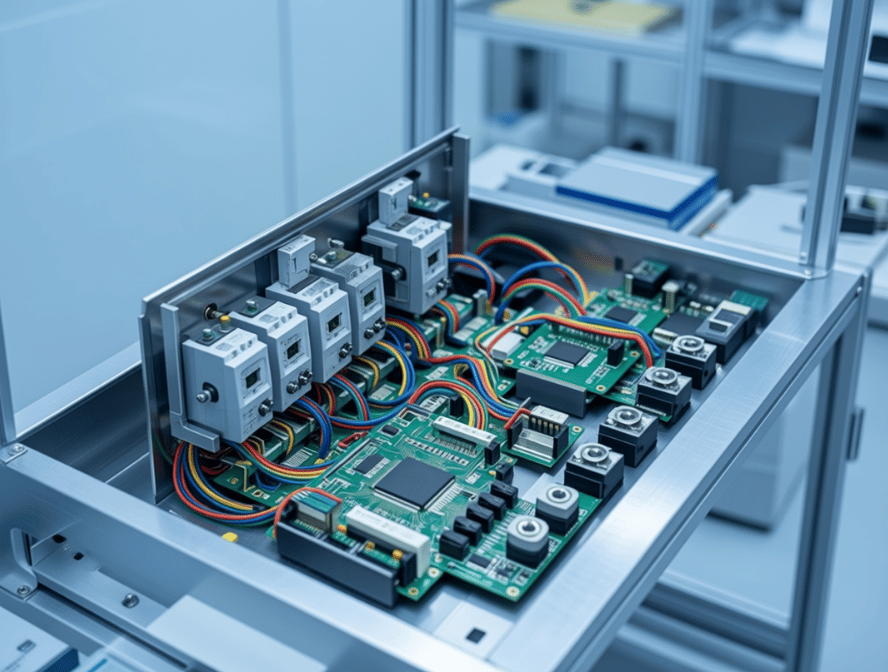
As robotics technology continues to advance, electronic adhesives will play an increasingly important role in electronic packaging, structural bonding, thermal management, and environmental protection.
Selecting the right adhesive materials according to application requirements can significantly improve manufacturing quality and operational reliability.
Shenzhen EUBO Advanced Materials is committed to providing high-quality industrial lubricants, electronic adhesives, and functional coating solutions for robotics, automation equipment, precision manufacturing, and other advanced industrial applications, helping customers achieve higher efficiency and greater reliability.