














MESSAGE

As consumer expectations for driving comfort continue to increase, interior noise and perceived vehicle quality have become increasingly important factors in automotive design.
In addition to engine noise, road noise, and wind noise, minor noise generated by friction, vibration, and movement between interior components can also affect the driving experience.
Plastic-to-plastic contact, plastic-to-metal contact, clips, sliding mechanisms, hinges, and other moving components may gradually develop unwanted noise as vehicles are exposed to temperature changes, vibration, and long-term use.
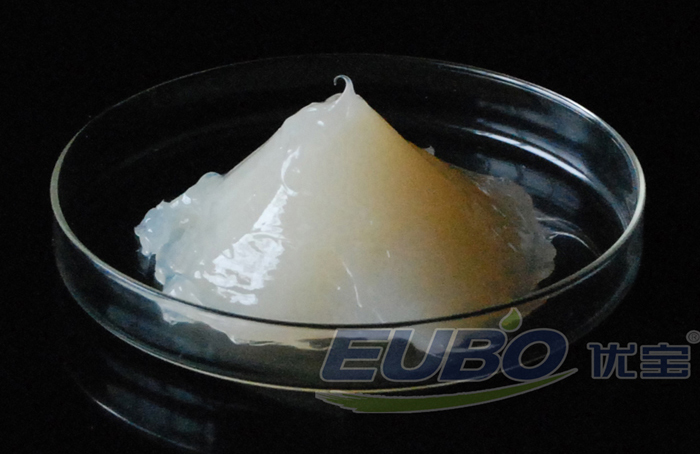
In these applications, damping grease can provide an effective material-based solution by combining lubrication, friction reduction, and damping performance.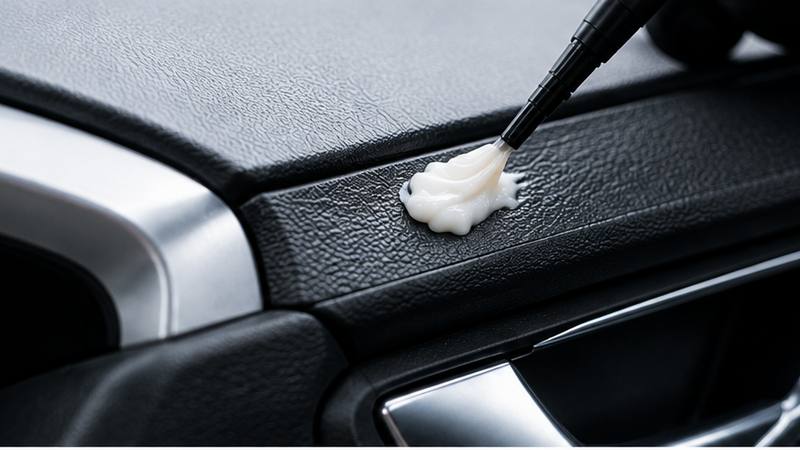
Automotive interiors contain a large number of components made from different materials. During vehicle operation, relative movement between these components may produce friction and vibration.
Common sources include:
Dashboard panels, door trims, storage compartments, and decorative components may experience small relative movements during vehicle vibration, resulting in friction noise.
When plastic components come into contact with metal supports or structural parts, differences in friction characteristics can contribute to unwanted noise.
Moving components such as seat adjustment mechanisms, storage box hinges, and sliding structures may experience increased friction as their original lubrication gradually decreases.
Long-term vibration and repeated movement may lead to small changes in assembly clearances. These changes can cause micro-movements and impact noise between components.
Compared with conventional lubricating greases, damping grease places greater emphasis on adhesion, damping behavior, and control of friction and micro-vibration.
In automotive interior applications, damping grease can help in several ways.
A stable lubrication layer reduces direct contact between plastic and metal or between plastic components, helping minimize friction-related noise.
Damping grease has viscoelastic characteristics that can absorb part of the vibration energy and reduce vibration transmission between components.
For structures subject to micro-movement, damping grease can fill small gaps between contact surfaces and reduce impact and rubbing between components.
Compared with temporary mechanical adjustments, an appropriate damping material can improve the long-term operating condition of contact and moving areas.
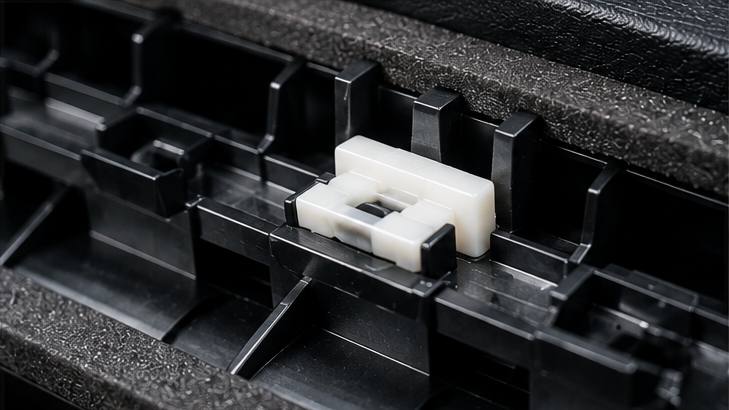
Damping grease can be applied to a wide range of automotive interior structures, including:
Different application locations involve different temperature ranges, materials, and movement patterns. Therefore, damping grease should be selected according to the specific operating conditions rather than using a single formulation for every application.
Material compatibility is particularly important in automotive interior applications.
Automotive interiors commonly use engineering plastics such as POM, PA, ABS, and PC. The selected grease should have good compatibility with these materials to minimize risks such as swelling, cracking, or degradation during long-term use.
For applications where noise reduction is the primary objective, the material should provide not only lubrication but also stable damping performance.
Automotive interiors can experience significant temperature fluctuations. Damping grease should maintain suitable performance across the required temperature range.
For components that are difficult to access or maintain, long-life and stable damping grease can help reduce maintenance requirements.
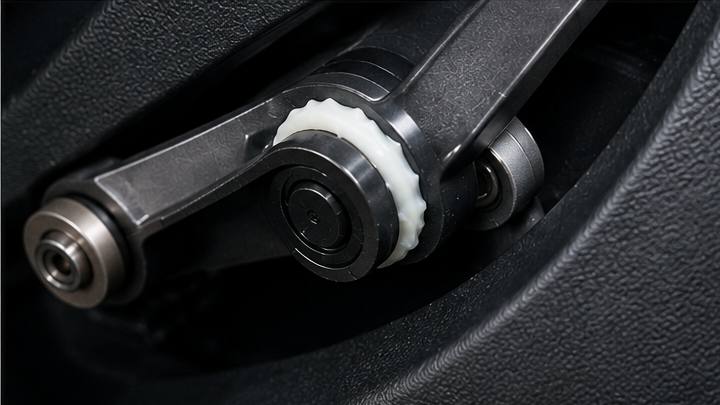
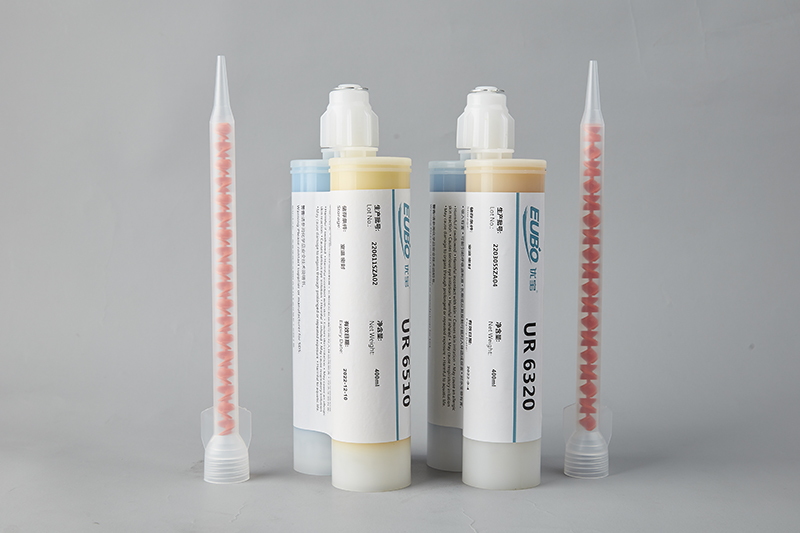
Shenzhen EUBO Advanced Materials provides damping grease and other specialty lubrication materials for automotive interiors, precision mechanisms, and compact moving components.
Depending on the material combination, movement pattern, temperature range, and noise requirements, different formulations can be selected to provide suitable damping, lubrication, temperature resistance, and material compatibility.
Through appropriate material selection and structural design, damping grease can help address friction noise, micro-vibration, and small clearance-related issues.
Automotive interior noise can result from multiple factors, including material characteristics, structural design, assembly conditions, and long-term operating environments.
Damping grease is not a replacement for structural optimization, but it can serve as an effective functional material for controlling friction, micro-vibration, and local movement.
As automotive manufacturers continue to place greater emphasis on quietness, comfort, and overall user experience, damping grease is expected to have broader applications in automotive interiors and precision moving mechanisms.