I. Regulatory Pressure Driving Lubrication Upgrades
In 2024, China's State Administration for Market Regulation revised the General Hygienic Norms for Food Production (GB 14881), further clarifying that lubricants used on food contact surfaces and adjacent areas must comply with national food safety standards and must not cause chemical contamination of food. Meanwhile, export-oriented food enterprises face even stricter international compliance pressures—U.S. FDA 21 CFR 178.3570, EU EC 1935/2004, and NSF International H1 certification have become mandatory thresholds for entering global supply chains.
A frequently overlooked fact is that over 60% of equipment failures in food plants are related to improper lubrication, and food recall incidents caused by lubricant leakage can result in losses of millions of yuan per event. Traditional industrial greases contain heavy metals, sulfur-phosphorus extreme pressure agents, and other harmful components. Once in contact with food, they not only threaten consumer health but also expose enterprises to production suspension, rectification orders, and brand crises.
Food-grade grease is not an "option"—it is the "safety baseline" of food manufacturing.
II. The NSF Certification System: The Essential Difference Between H1, H2, and 3H
NSF International is the world's most authoritative food equipment safety certification body, and its lubricant classification system is adopted by more than 120 countries. Many procurement professionals confuse the distinctions between H1 and H2, leading to selection errors:
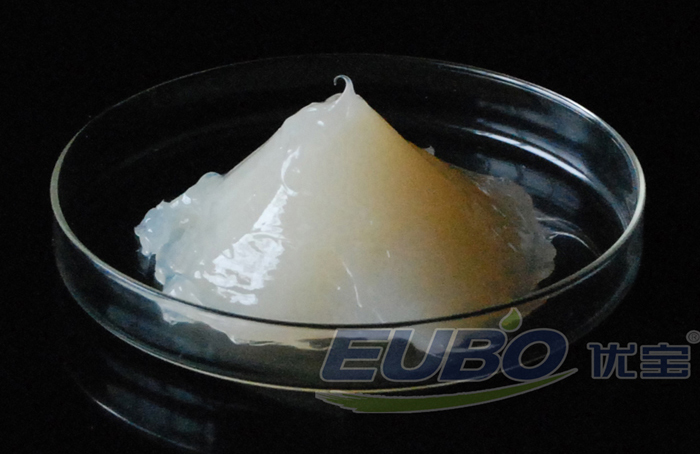
NSF H1 (Incidental Food Contact): All ingredients in the lubricant formulation are food-grade white oils and food-grade additives with extremely low toxicity. Incidental contact with food is permitted (contact probability not exceeding 10ppm). This is currently the mainstream choice for food machinery lubrication. EUBO's entire food-grade grease series holds NSF H1 certification.
NSF H2 (Non-Food Contact): Only for components on food equipment where contact with food is impossible, such as internal gearboxes and chain housings. The formulation does not require food-grade raw materials. Lower cost but strictly limited application scenarios.
NSF 3H (Release Agent/Direct Contact): For demolding and anti-stick applications with intentional direct food contact, such as baking tray spraying and mold release. The key difference from H1 is that 3H permits deliberate contact, while H1 is limited to incidental contact only.
Selection Warning: Some enterprises attempt to save costs by using H2 grease at lubrication points where indirect food contact may occur (such as conveyor belt bearings). This constitutes a serious non-conformity during audits. The correct approach is: any lubrication point with any risk of contact must use H1-grade grease.
III. Four Typical Food Machinery Lubrication Scenarios and Pain Points
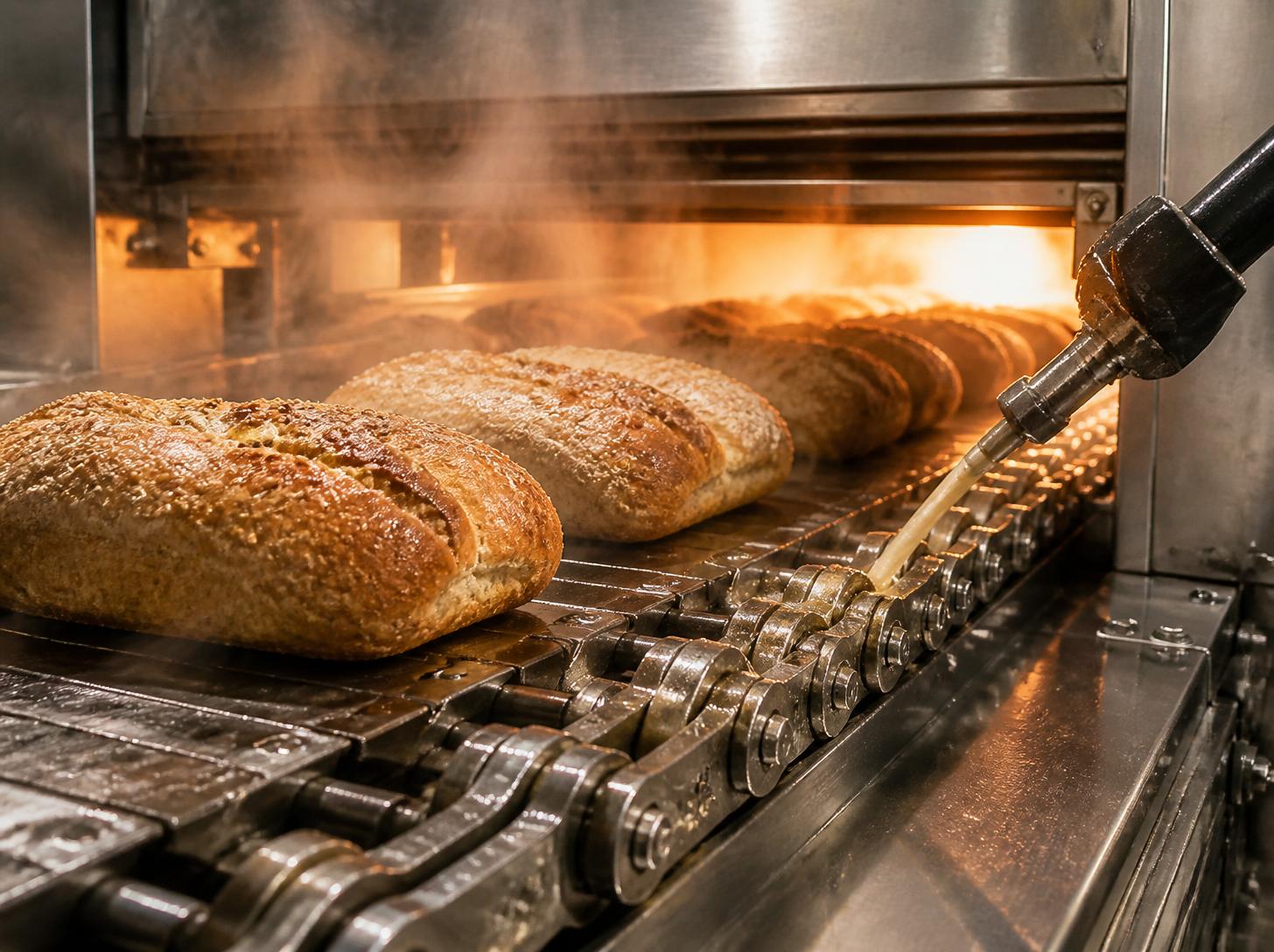
Scenario 1: High-Temperature Chains in Baking Equipment
Oven chains in bread and biscuit production lines operate continuously at 180–220℃. Ordinary grease oxidizes and cokes rapidly at these temperatures, producing black sludge that contaminates baked products. Even more problematic, after coking, the chain friction coefficient rises sharply, increasing transmission energy consumption and causing chain elongation or breakage.
Solution Essentials: Select H1-grade grease with a dropping point above 260℃, using high-viscosity PAO or food-grade white oil as base oil, combined with food-grade graphite or molybdenum disulfide solid lubricants to form a stable lubricating film at high temperatures.
Scenario 2: Bearings in Beverage Filling Machinery
Star wheels and transfer wheel bearings in PET bottle filling lines operate in harsh environments with high speeds (>3000rpm), humidity, and frequent cleaning (CIP/SIP). Ordinary grease is easily washed away by alkaline cleaning solutions, leading to water ingress and bearing corrosion. While PTFE-containing grease offers good water resistance, PTFE powder leakage into beverages raises health concerns.
Solution Essentials: Prioritize H1-grade grease thickened with food-grade complex lithium soap, containing water-resistant additives but free of PTFE. It must pass the NSF water washout test (ASTM D1264, 79℃ water spray for 2 hours, loss <5%).
Scenario 3: Gears and Screws in Meat Processing Equipment
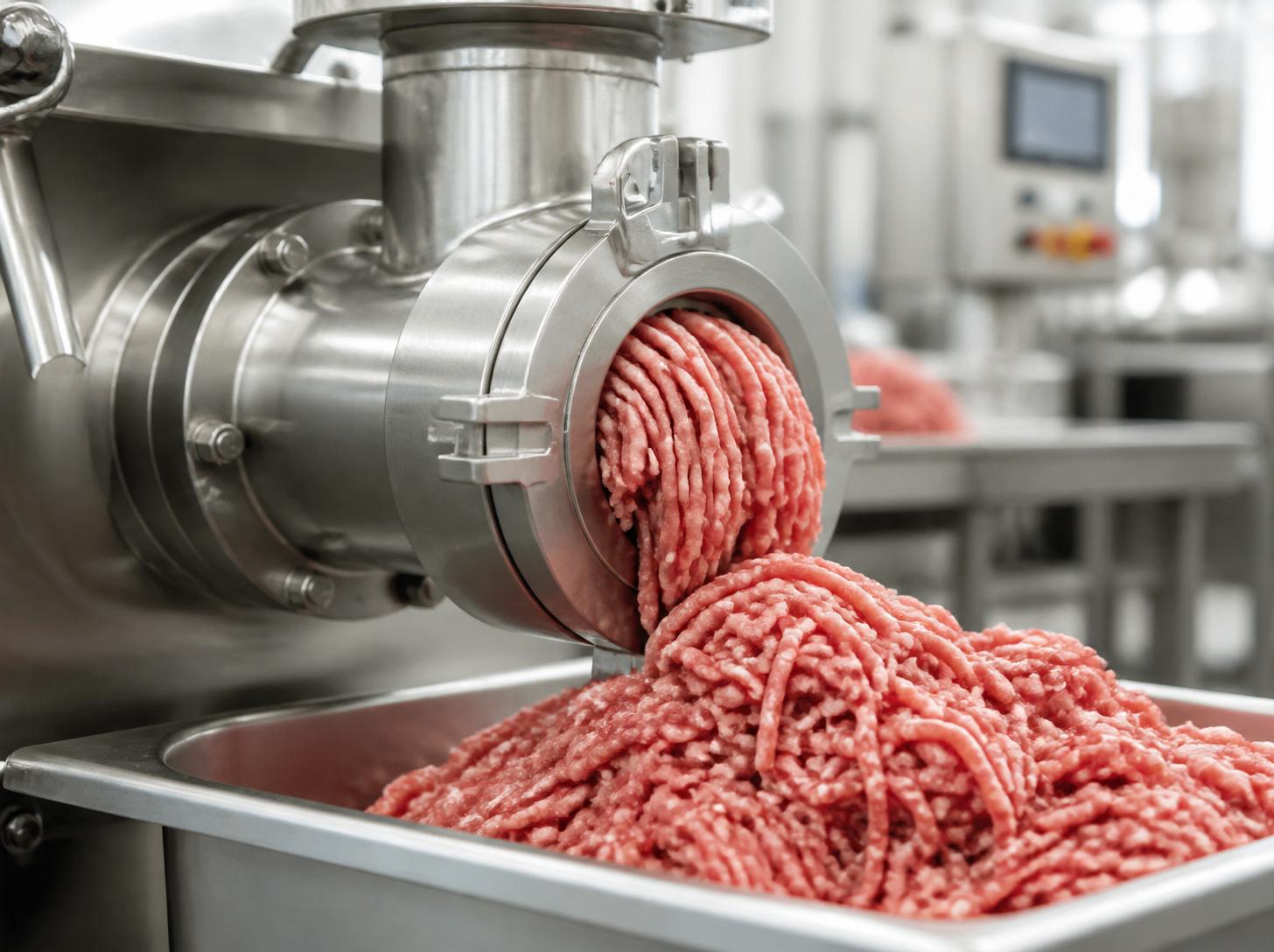
Gearboxes and screw bearings in meat grinders and bowl cutters withstand high loads and impact loads in environments saturated with blood water and fat mixtures. Industrial EP gear oils can provide sufficient oil film strength, but their sulfur-phosphorus extreme pressure agents are corrosive and toxic. Once leaked into meat products, the consequences are unthinkable.
Solution Essentials: Use H1-grade gear grease containing food-grade extreme pressure additives (such as food-grade phosphate esters), with a four-ball weld load (ASTM D2596) of 250kg or higher, while passing the copper strip corrosion test (100℃, 3 hours, below 1b level).
Scenario 4: Heat-Sealing Bearings in Dairy Packaging Film
Longitudinal and transverse sealing bearings in Tetra Pak and gable-top carton filling machines operate at 120–160℃ in aseptic room environments. Lubricant volatilization produces oil mist that contaminates the sterile air system, while insufficient bearing lubrication causes uneven heat-sealing temperatures, leading to packaging leakage.
Solution Essentials: Select H1-grade high-temperature bearing grease with low evaporation loss (ASTM D972, 99℃, 22 hours, evaporation <2%), using low-volatility food-grade ester oil as base oil to minimize oil mist generation.
IV. EUBO Food-Grade Grease Product Matrix
Leveraging its CNAS-accredited laboratory and NSF certification system, Shenzhen EUBO New Materials Co., Ltd. has developed an H1-grade grease product line covering all scenarios for the food industry:
UB-FG100 General-Purpose Food-Grade Bearing Grease Food-grade white oil base oil, complex aluminum soap thickener, NLGI Grade 2. Suitable for bearings and slideways in the -20~150℃ range. NSF H1 registered, compliant with FDA 21 CFR 178.3570. Typical applications: conveyor roller bearings, packaging machine cams.
UB-FG200 High-Temperature Chain Grease Dropping point 280℃, containing food-grade graphite solid lubricant, maintaining excellent lubricity at 200℃. Anti-coking formulation—no black sludge after 500 hours of chain operation. Typical applications: oven chains, tunnel oven conveyor chains.
UB-FG300 Water-Resistant Gear Grease Complex lithium soap thickened, containing food-grade extreme pressure anti-wear agents, four-ball weld load ≥280kg. Passes ASTM D1264 water washout test with loss <3%. Typical applications: meat grinder gearboxes, aquatic product processing equipment.
UB-FG400 Low-Volatility Cleanroom Grease Food-grade polyol ester base oil, evaporation loss <1.5% (99℃, 22 hours). Silicone-free formulation avoids silicone oil contamination risks. Typical applications: dairy filling machine heat-sealing bearings, pharmaceutical packaging equipment.
V. Five-Step Selection Method for Food-Grade Grease
Step 1: Determine Regulatory Requirements. Export to the U.S. requires NSF H1 + FDA compliance; export to the EU requires EC 1935/2004 + EU 10/2011; domestic sales must comply with GB 4806 series. EUBO's full H1 series meets all the above regulations simultaneously.
Step 2: Define Temperature Range. Measure the maximum operating temperature of the lubrication point and select a product with a dropping point at least 50℃ above the maximum temperature. For example, if the maximum temperature is 180℃, the dropping point must be ≥230℃.
Step 3: Evaluate Load and Speed. High-load, low-speed applications require high-viscosity base oil + extreme pressure additives; high-speed bearings require low-viscosity base oil + shear-resistant thickeners.
Step 4: Identify Environmental Media. Humid environments require water washout data; acidic/alkaline environments require copper strip corrosion data; dusty environments require seal compatibility data.
Step 5: Verify Supplier Qualifications. Request the NSF H1 registration certificate number (verifiable on the NSF official website), third-party test reports (such as SGS RoHS, halogen testing), and application cases from the same industry.
VI. Conclusion
Food-grade grease is an "invisible" yet "critically important" component of the food manufacturing safety system. From high-temperature baking chains to aseptic dairy filling, from meat processing gears to beverage filling bearings, every lubrication point oversight can escalate into a food safety incident. Shenzhen EUBO New Materials Co., Ltd. builds upon NSF H1 certification and CNAS testing capabilities to provide the food industry with full-scenario, full-regulation lubrication safety solutions.
At a time when food safety is receiving increasing global attention, proactively replacing industrial-grade products with H1-grade grease is a wise choice for enterprises to mitigate risks and enhance brand credibility.
About Shenzhen EUBO New Materials Co., Ltd.
Shenzhen EUBO New Materials Technology Co., Ltd. (EUBO), founded in 2000, is a national high-tech enterprise specializing in the R&D, production, sales, and service of specialty lubricating greases and adhesives. The company operates a CNAS-accredited laboratory and a joint laboratory with Shenzhen Tsinghua University Research Institute. Its products are widely used in automotive, electronics, new energy, robotics, aerospace, and food industry fields, and have passed international certifications including IATF 16949, ISO 9001, ISO 14001, and NSF.