












MESSAGE

With the continuous development of the semiconductor industry toward higher precision, efficiency, and reliability, semiconductor manufacturing equipment requires increasingly advanced material solutions for critical components.
During wafer fabrication, packaging, testing, and precision inspection processes, equipment must maintain stable operation over long periods. Due to strict requirements for cleanliness, accuracy, and reliability, conventional lubricants may not fully satisfy the demands of advanced semiconductor applications.
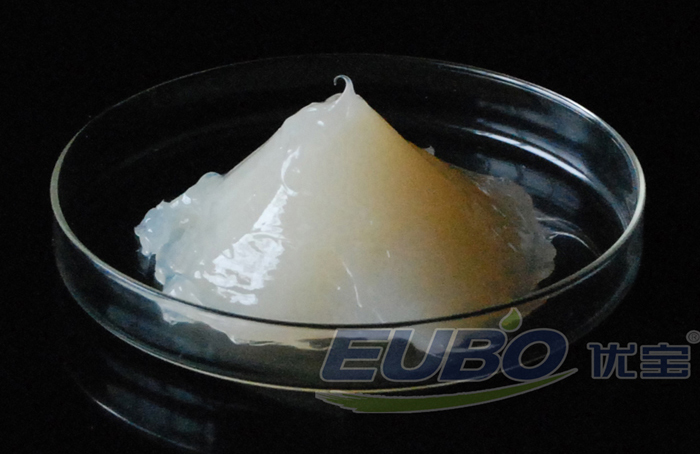
High-performance specialty lubricants help reduce friction and wear in precision mechanical components, improving equipment stability and extending service life.
Semiconductor manufacturing equipment typically features:
During operation, internal components are exposed to friction, temperature variations, and mechanical loads.
Insufficient lubrication performance may result in:
Therefore, selecting suitable lubrication materials is essential for maintaining equipment reliability.
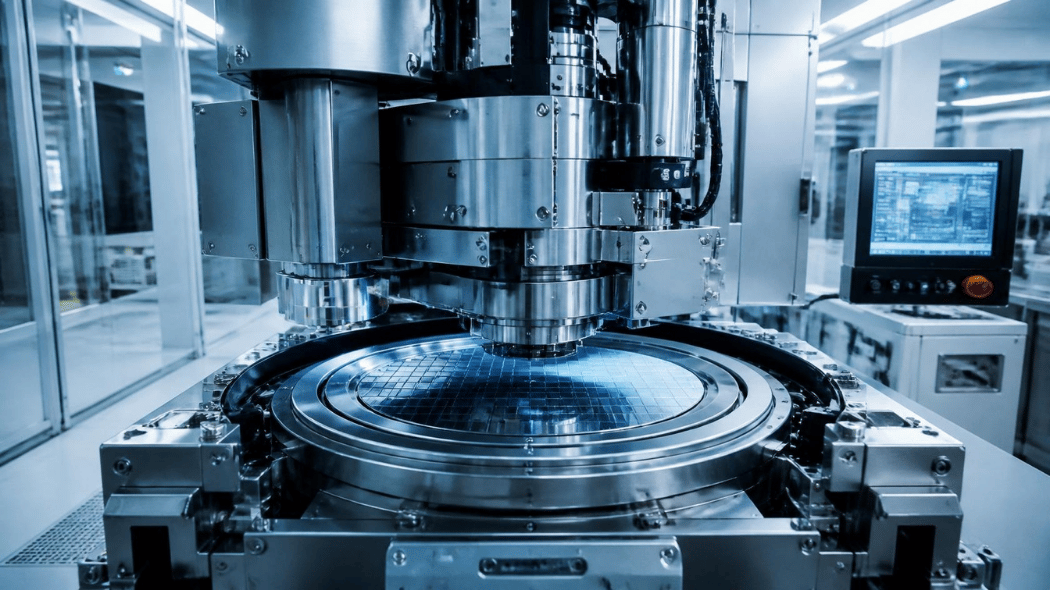
Lubricants used in semiconductor applications typically require:
Low-friction lubricants reduce resistance in precision motion systems and improve operational stability.
For clean manufacturing environments, lubricants should provide low volatility and minimal contamination risks.
Semiconductor equipment often operates continuously, requiring lubricants with excellent durability and long service life.
Lubrication materials should maintain stable performance under different operating temperatures.
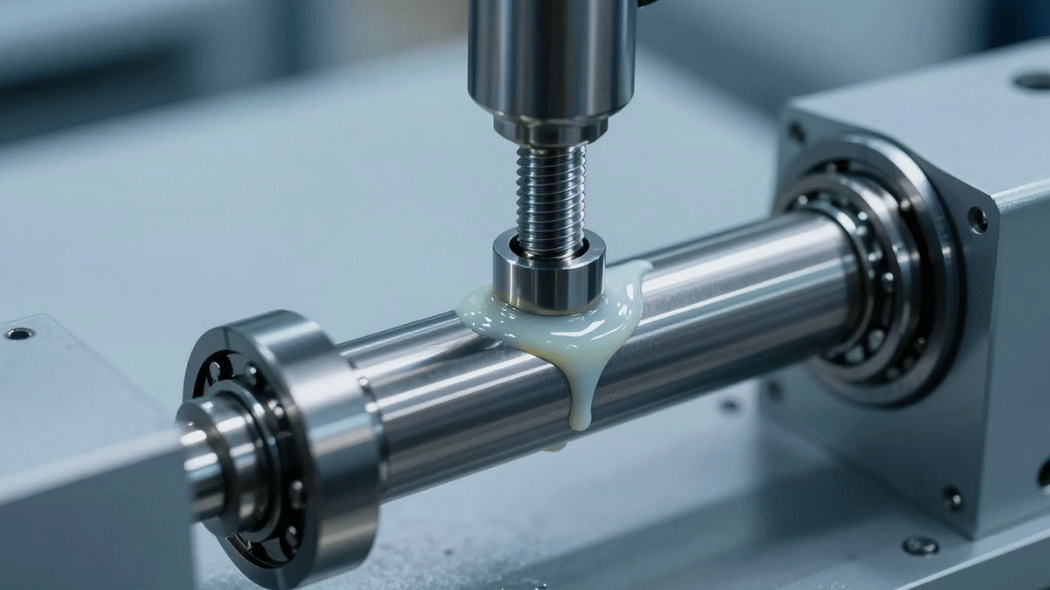
High-performance lubricants can be applied to various precision components, including:
Components such as guide rails, ball screws, and bearings require reliable lubrication to maintain accuracy and reduce wear.
Some semiconductor equipment operates under vacuum conditions, requiring lubricants with excellent stability and low volatility.
Stable lubrication performance helps maintain positioning accuracy in wafer inspection and processing equipment.
Material handling mechanisms require long-term reliability, where proper lubrication helps reduce wear and improve operational stability.
As semiconductor equipment continues to advance, integrated material solutions are becoming increasingly important.
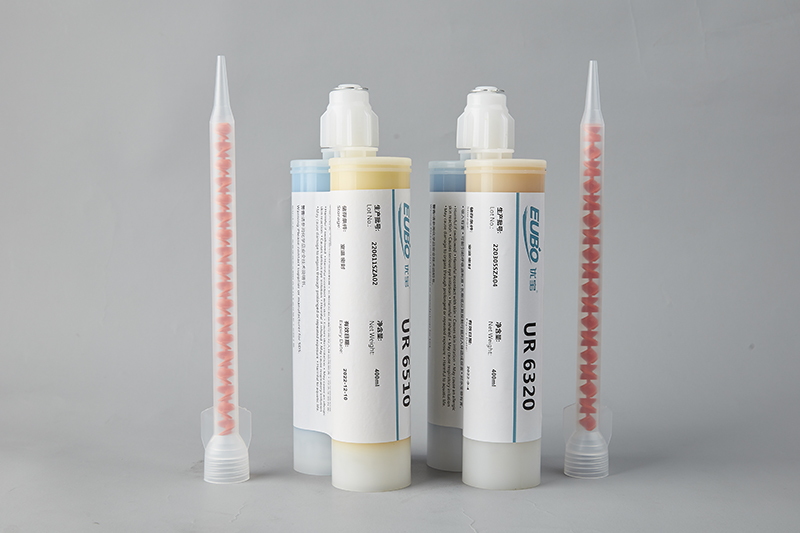
The combination of different materials can improve equipment reliability:
These solutions help advanced manufacturing equipment achieve higher efficiency and longer service life.
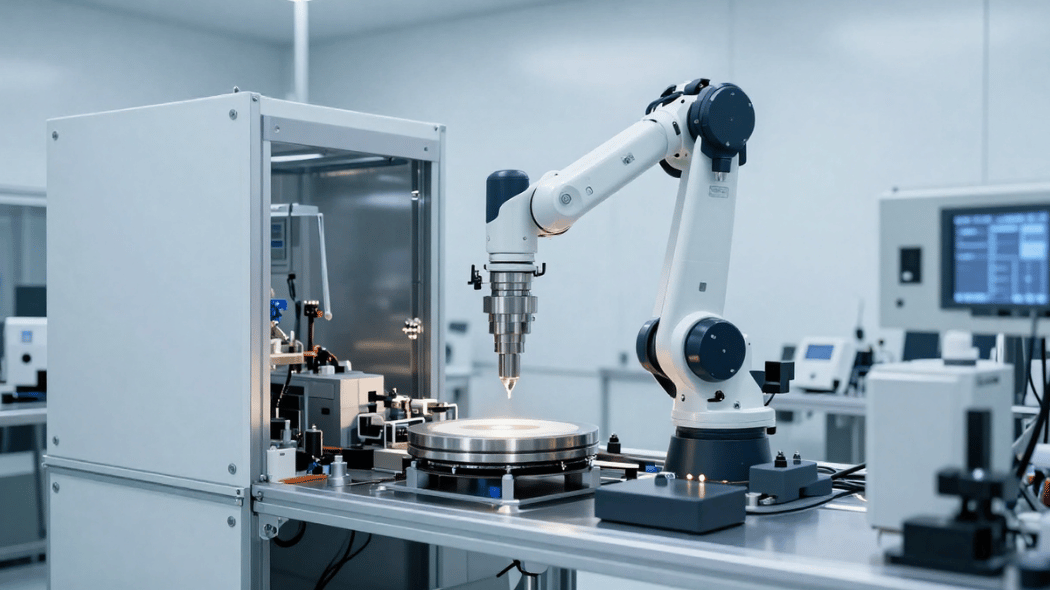
When selecting lubrication materials for semiconductor equipment, engineers should consider:
Proper material selection ensures reliable performance under demanding operating conditions.
As the semiconductor industry continues to evolve, high-performance lubrication materials will play an increasingly important role in precision manufacturing equipment.
Shenzhen EUBO Advanced Materials focuses on specialty lubricating greases, functional coatings, and industrial adhesives, providing reliable material solutions for semiconductor, robotics, precision manufacturing, and advanced industrial applications.