










MESSAGE

With the rapid growth of electric vehicles and energy storage systems, battery manufacturers require higher levels of safety, reliability, and durability.
In battery manufacturing, adhesives provide not only structural bonding but also sealing, insulation, protection, and stress absorption functions. They have become essential materials for improving long-term battery reliability.
Compared with traditional mechanical fastening methods, advanced adhesives offer lightweight design, improved flexibility, and enhanced reliability.
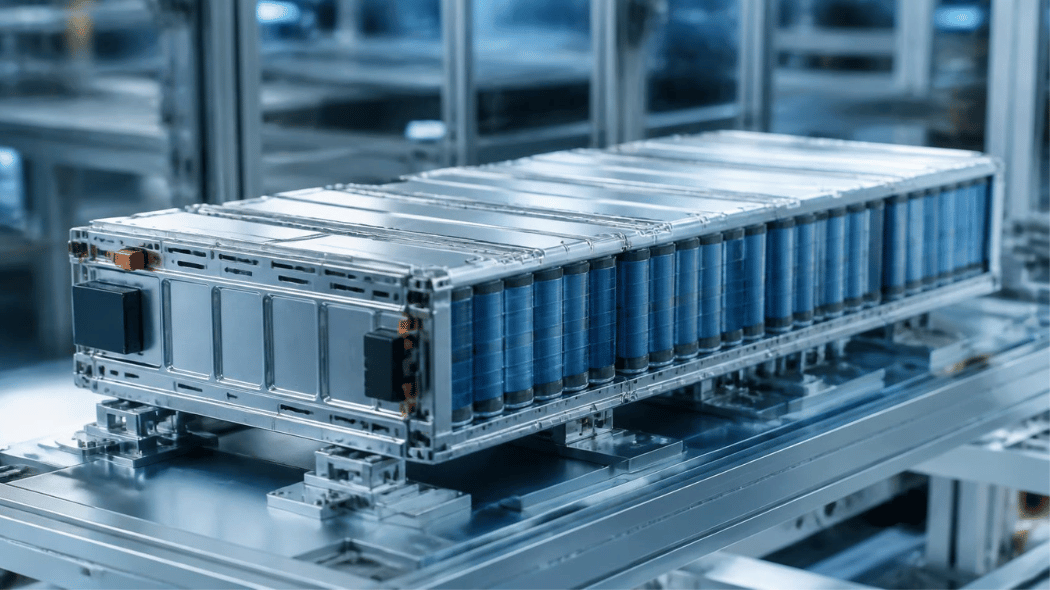
Battery systems must withstand:
Therefore, battery materials require excellent:
Adhesives improve mechanical stability between battery components.
They help protect internal components from moisture and contamination.
Functional adhesives improve electrical safety.
Adhesive layers absorb mechanical stress and improve durability.
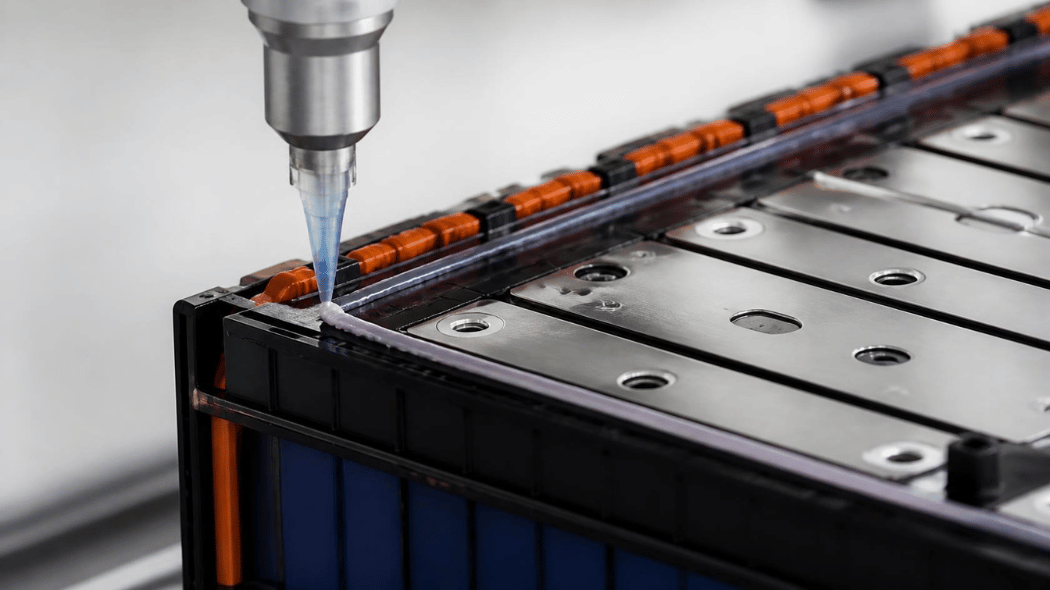
Electronic adhesives are widely used in:
High-performance battery adhesives require:
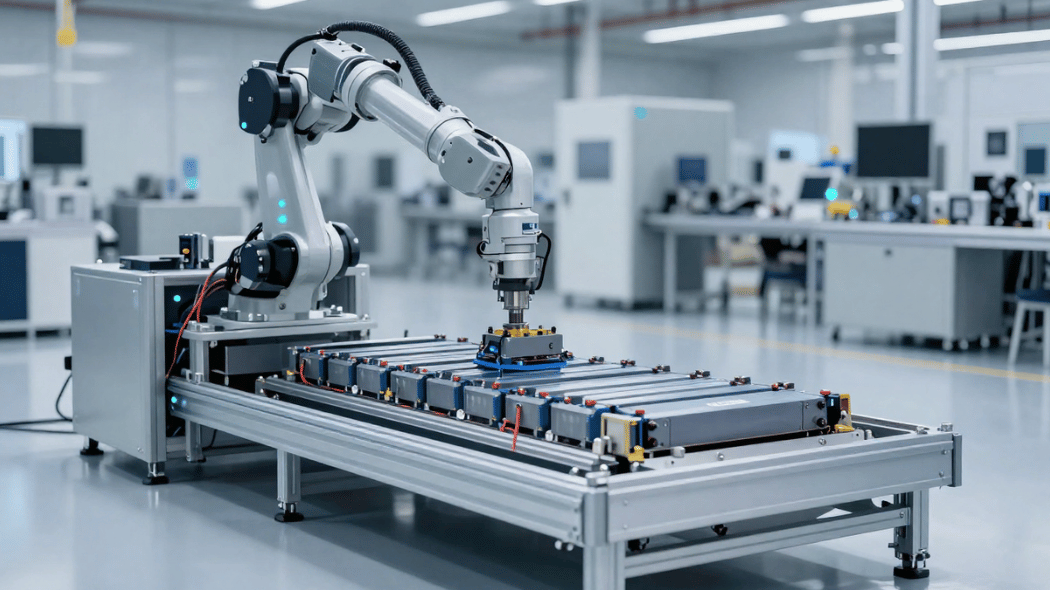
As electric vehicles and energy storage technologies continue to develop, advanced adhesives will play an increasingly important role in battery manufacturing.
Shenzhen EUBO Advanced Materials provides electronic adhesives, specialty lubricating greases, and functional coating solutions for new energy, electronics manufacturing, and advanced industrial applications.